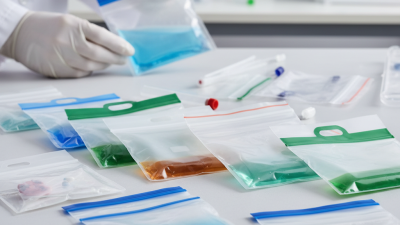
For laboratories, clinics, research teams, and specimen transport providers, choosing reliable specimen bags with pouch requires more than comparing prices. A pouch should hold documents securely while the inner bag protects samples from leaks, moisture, and handling pressure. Buyers often examine polyethylene thickness, closure quality, printed warning areas, and pouch visibility before placing large orders. Small details matter. A weak seal can damage trust quickly.
This guide introduces ten specimen bags with pouch options for global buyers. It considers practical factors, including material consistency, dimensional accuracy, packaging cleanliness, and supplier communication. Experienced purchasing teams should also request samples, test closures, and confirm production tolerances before approval. Product descriptions may sound impressive, but physical inspection remains valuable. Labels, barcodes, and instruction areas should support clear identification during busy workflows.
Regional requirements can differ. Buyers should verify applicable transport, healthcare, waste-handling, and labeling rules with qualified local professionals. Responsible suppliers should provide transparent specifications, batch information, and realistic delivery commitments. Claims about leak resistance or sterility also deserve supporting documents. Not every attractive design performs equally well.
A lower price may hide compromises. That judgment is not always easy. This overview therefore balances usability, quality evidence, and total purchasing risk. It does not replace laboratory validation or professional compliance advice. Instead, it gives global buyers a practical starting point for comparing products used in real storage and transport conditions. Expect useful differences, but also a few uncertain areas requiring closer supplier questions.
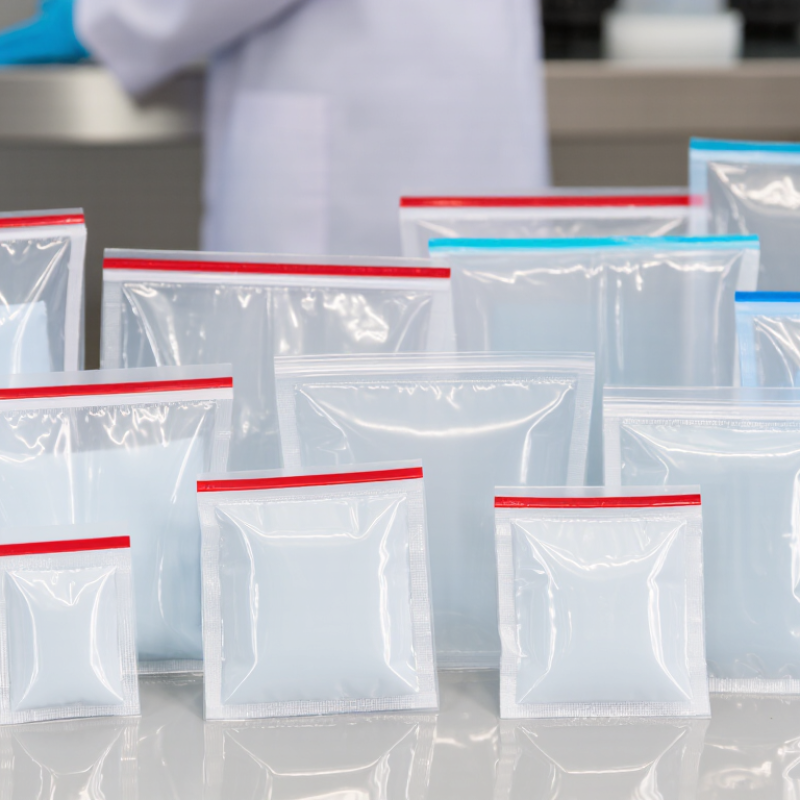
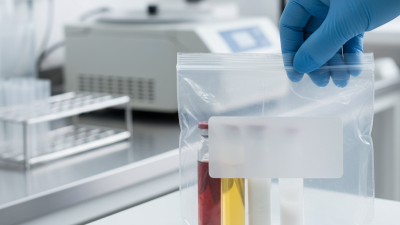
Specimen bags with pouches are dual-compartment containers for collecting and transporting clinical samples. The main compartment holds a sealed tube, swab, or specimen cup. The attached pouch stores request forms separately. This design reduces contact between paperwork and biological material. Many bags also include an absorbent pad and leak-resistant closure. The pouch does not replace proper packaging. It supports it.
The World Health Organization’s Laboratory Biosafety Manual recommends secure primary containers and protective secondary containment. UN 3373 guidance also supports leak-resistant packaging for many diagnostic specimens. Market demand reflects this need. Grand View Research estimated the global medical packaging market at roughly US$50 billion in 2023. However, market size does not prove every bag performs equally. Seal strength, material clarity, pouch position, and temperature tolerance still require checking. A rushed closure can defeat good design. Not magic.
Tips: Select a bag that matches the specimen size and transport route. Place the sealed container upright when possible. Keep paperwork in the dry pouch, never beside the specimen. Check for tears before use. Staff should verify the label, closure, and absorbent material every time. A practical trial with real workflow conditions often reveals problems that product sheets miss. Fit matters.
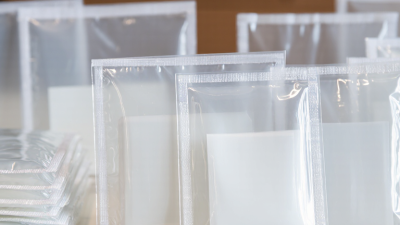
When choosing specimen bags with pouches, start with containment, not appearance. A reliable bag should resist leaks during collection, transport, and temporary storage. Check the seal strength around corners and the pouch opening. Weak edges can fail when staff insert paperwork or labels.
Material compatibility matters. Some samples may react with unsuitable plastics, while sharp containers can puncture thin film. Look for clear construction that supports quick visual checks without repeated handling. A separate document pouch should hold requisition forms securely and keep them away from the specimen. It should also provide enough space for handwriting, barcodes, and collection times. Small details matter.
Closure design deserves practical testing. A press seal may be convenient, but it can be difficult for gloved hands. Adhesive strips may offer stronger closure, yet poor alignment can create gaps. Ask suppliers for leak, drop, and temperature testing data, rather than relying on broad claims. Verify the bag size against actual containers, because extra space can cause shifting. Too little space creates pressure. I have seen purchasing teams focus on unit price and overlook workflow waste, which later becomes expensive. That judgment can be wrong when staff spend extra time correcting labels, replacing damaged bags, or handling unclear documentation. Evaluate samples under realistic conditions and confirm compliance with applicable transport and laboratory requirements.
The chart presents a practical procurement benchmark for specimen bags with pouches. Leak resistance, secure closure, specimen identification, pouch usability, and traceability are typically prioritized because they support sample integrity, safe handling, and efficient laboratory workflows. Scores use a 1–10 evaluation scale and are intended for product comparison rather than brand ranking.
Global buyers should compare specimen bags with pouch by use case, not appearance. The pouch must hold documents securely without covering the label. Check film clarity, seal strength, puncture resistance, and opening size.
A 2024 MarketsandMarkets report projects the global specimen collection market to grow at about 7% annually through 2029. That growth increases pressure on suppliers to deliver consistent packaging, not simply cheaper bags.
Build a scorecard for all ten designs. Give separate scores for leak resistance, pouch capacity, closure quality, labeling space, and transport durability.
The 2023 WHO Laboratory Biosafety Manual recommends leak-proof primary containment and secure secondary packaging. Designs with separate compartments support that principle.
Ask for test evidence, including simulated transport, cold-storage performance, and seal inspection records. ISO 15189:2022 also emphasizes controlled sample handling and traceability.
Small details matter.
A wider pouch may accept folded forms, but it can reduce stacking efficiency. A double zipper feels safer, yet poor alignment can slow busy staff.
Clear film improves visibility, although glare can affect scanning.
My own comparison method has one weakness: laboratory comfort is difficult to measure objectively.
Therefore, include user trials with gloved hands, wet surfaces, and low lighting. Review the results before selecting the highest-scoring design.
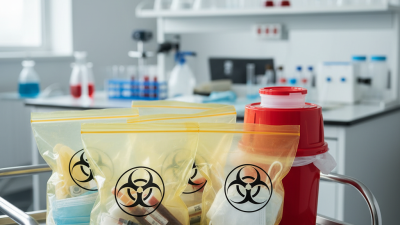
Global buyers should treat a pouch as a containment system, not a convenient pocket. That distinction matters. Under ISO 15189:2022, laboratories must control specimen collection and transport risks. Buyers should request documented evidence for leak resistance, closure integrity, material compatibility, and traceability. The WHO Laboratory Biosafety Manual, fourth edition, recommends leakproof primary and secondary containment with absorbent material.
For specimens classified as UN 3373, the IATA Dangerous Goods Regulations, 66th Edition, Packing Instruction 650, sets practical packaging expectations. Packaging must withstand a 95 kPa pressure differential, and the secondary container must remain secure. Ask for test conditions, not only a pass label. Check whether the pouch is sealed before the bag closes. Inspect seams, tear resistance, writing surfaces, and pouch dimensions with real tubes. Small tubes can slide under a loose flap. That detail is easy to miss.
Procurement files should include lot numbers, shelf life, sterilization status where relevant, and a certificate of conformity. ISO 13485-style quality controls can strengthen supplier evaluation, although certification alone does not prove every bag performs well. Ask for independent test reports and retained samples. Do not assume a thicker film is safer. Some films stiffen in cold storage, while adhesives weaken after repeated handling. A practical trial across temperature, vibration, and glove use exposes weaknesses early. Real-world checking remains imperfect, but it is more reliable than trusting photographs.
Top 10 Specimen Bags With Pouch for Global Buyers?
Selecting a supplier for international orders requires more than comparing the top ten lists. Check the bag material, pouch size, closure strength, and labeling area. Ask for product samples before approving a large shipment. Details matter. A reliable supplier should provide clear specifications, batch records, inspection reports, and practical packaging information.
Request evidence of production controls, not only attractive photos. Confirm whether the pouch protects documents from moisture and tearing during transport. Review the bag’s dimensions against your collection containers and storage racks. Ask how the supplier handles damaged cartons, quantity shortages, and replacement requests. Written answers are safer than informal promises. Also check communication speed across different time zones.
International buyers should examine export experience and shipping documents carefully. The supplier should explain lead times, carton measurements, pallet limits, and available delivery terms. Independent quality testing can help verify material strength and seal performance. Do not guess. A low quotation may hide weak packaging or inconsistent batches. Yet expensive pricing does not guarantee quality either. No checklist is perfect. I would still test a small order under real warehouse conditions, including stacking, humidity exposure, and repeated handling. A supplier that accepts reasonable questions, corrects unclear documents, and reports limitations honestly is often more dependable than one offering the fastest promise.