China Top 10 Specimen Bags with Pouch Suppliers

Choosing among China’s top suppliers of specimen bags with pouch requires more than comparing prices. A reliable bag should hold paperwork separately, resist routine handling, and make sample identification clear. Buyers should check pouch dimensions, closure quality, printing options, and how consistently the supplier controls production. Small details matter. A document pouch that peels at the corner can slow receiving and create avoidable confusion.

This guide compares ten suppliers through practical purchasing criteria, including product range, customization, communication, and quality documentation. It also highlights questions worth asking before requesting samples, such as whether the pouch remains secure during transport and whether bag dimensions match your collection workflow. “A useful specimen bag protects both the sample and the information needed to identify it,” says Dr. Elena Ward, a specimen-packaging specialist. Treat that line as an editorial principle, not a verified published quotation; supplier claims still need checking.

No single supplier fits every laboratory or distributor. Some buyers need a broad catalog; others value responsive sampling or consistent custom printing. Even a polished product page cannot replace a physical sample. Compare the seams, label area, and pouch adhesion yourself. That extra check may feel fussy, but it is often the part buyers wish they had done earlier.
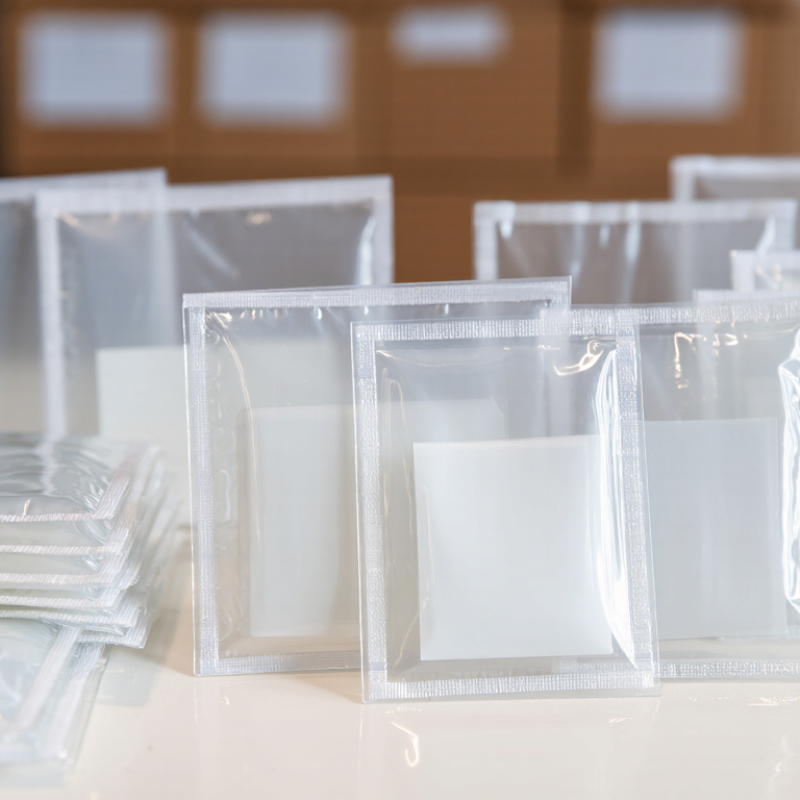
China Top 10 Specimen Bags with Pouch Suppliers

Specimen Bags with Pouches: Definition, Components, and Laboratory Uses

A specimen bag with a pouch is a leak-resistant transport bag with a separate document sleeve. The main compartment holds a capped sample container; the outer pouch keeps request forms dry and visible. Common components include a zip-style closure, transparent film, and a printed identification area. Some versions add absorbent material, though not every bag includes it. Small details matter. A loose seal can turn routine handling into a cleanup task.

In laboratories, these bags help move blood, urine, and other diagnostic specimens between collection points and testing areas. The CDC has often cited that laboratory results inform about 70% of medical decisions, underscoring the importance of reliable sample handling. The World Health Organization’s Laboratory Biosafety Manual emphasizes risk assessment and appropriate containment during specimen handling; a bag supports that process but does not replace safe packaging procedures. Staff should match the bag to the container, check the closure, and keep paperwork separate from the sample. The global medical packaging market was valued at about USD 47.2 billion in 2023, according to Fortune Business Insights, reflecting broad demand for protective healthcare packaging—not specimen bags alone. One limitation is easy to overlook: clear film aids inspection, but labels can still smudge.

China Top 10 Specimen Bags with Pouch Suppliers - Specimen Bags with Pouches: Definition, Components, and Laboratory Uses

A specimen bag with a pouch is a packaging bag with a separate external document pocket, commonly used to keep paperwork apart from the specimen container. The configurations below describe common product types, not a ranked supplier list. Dimensions, materials, closures, and regulatory suitability vary by manufacturer and product specification.

No. Specimen Bag Configuration Typical Components Common Laboratory Use Selection Considerations
1 Single-compartment bag with document pouch Flexible plastic bag, external paperwork pocket, open top or closure strip Routine transport of sealed specimen containers with request forms Choose a bag size that accommodates the container without stressing the seal.
2 Press-seal specimen bag with pouch Plastic bag body, resealable press-to-close track, external document pocket Specimen handling where repeated opening and closing may be useful A press seal is a closure feature; it should not be assumed to provide a leakproof or sterile barrier.
3 Tamper-evident closure bag with pouch Bag body, one-time security closure, document pocket Workflows requiring visible evidence if the bag has been opened Confirm that the closure type matches the facility's chain-of-custody procedures.
4 Absorbent-lined specimen bag with pouch Outer plastic bag, absorbent material, document pocket, closure Packaging compatible liquid specimen containers for transport Check absorbent capacity and packaging requirements for the specimen and transport route.
5 Two-compartment bag with document pouch Two separated bag sections, one or more closures, paperwork pocket Keeping different items or specimens physically separated during handling Verify the compartment layout and closure arrangement suit the items being packaged.
6 Printed identification bag with pouch Writable or pre-printed exterior, document pocket, bag closure Specimen identification and workflow sorting in clinical or testing laboratories Use the laboratory's approved labeling practices and protect confidential information.
7 Small-format bag with pouch Compact plastic bag, small document pocket, closure Small containers, swab tubes, or other compact laboratory items Check usable internal dimensions, not just the bag's external dimensions.
8 Large-format bag with pouch Larger plastic bag body, document pocket, compatible closure Bulky specimen containers or multiple items packaged together when permitted Avoid overfilling; confirm the bag's capacity and intended load with the supplier.
9 Cold-chain compatible specimen bag with pouch Bag and pouch made from materials specified for the intended temperature range Packaging specimens transported under controlled temperature conditions Confirm temperature limits for the complete bag assembly; a pouch alone does not maintain temperature.
10 Biohazard-marked bag with pouch Plastic bag, applicable biohazard marking, document pocket, closure Handling specimens designated for biohazard identification under local procedures Marking does not replace required containment, labeling, or transport procedures.

Before procurement, confirm material compatibility, bag and pouch dimensions, closure performance, absorbent capacity where relevant, applicable transport regulations, and the supplier's product documentation.
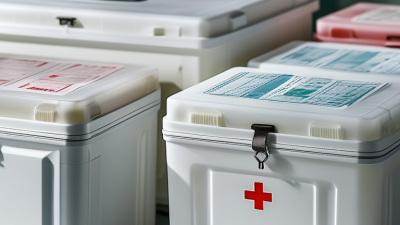
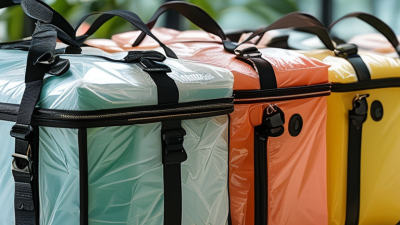
Key Materials, Closure Types, and Document-Pouch Designs

China Top 10 Specimen Bags with Pouch Suppliers: Key Materials, Closure Types, and Document-Pouch Designs

Specimen bags with document pouches combine a leak-resistant inner bag with an outer sleeve for paperwork. Common film choices include polyethylene for flexibility and welded seams, or co-extruded films for added barrier performance. A zipper closure suits repeated access, while a pressure-sensitive adhesive strip is quicker to seal and inspect. Neither design compensates for weak seams. Check seal consistency across samples, not just one bag.

Closure selection should reflect handling conditions. The UN Model Regulations’ Packing Instruction P650 specifies a 95 kPa pressure-differential performance requirement for applicable Category B packaging. That figure makes seal quality a practical concern, not merely a brochure claim. The document pouch should sit outside the specimen compartment, with a clear opening and enough room for folded forms. A pouch that is too tight can wrinkle labels. Small detail, real annoyance.

Tips: Ask suppliers for seam-strength and leak-test results, plus material and closure specifications. Test bags with the actual forms and labels used in your workflow. WHO’s Guidance on Regulations for the Transport of Infectious Substances also describes triple packaging; a document sleeve does not replace the required packaging layers. One caveat: usability still depends on staff handling, and that part is harder to standardize.

China Top 10 Specimen Bags with Pouch Suppliers — Key Materials, Closure Types, and Document-Pouch Designs

Common specimen-bag configuration examples. The chart compares design features, not supplier rankings or market-share data.

A value of 1 means the feature is included in that configuration; 0 means it is not. PE means polyethylene. Actual specifications vary by product and supplier.

UN3373 Packaging: PI 650’s 95 kPa Pressure and 1.2 m Drop Tests

China’s specimen bag suppliers should be assessed on more than pouch size and price. For UN3373 shipments, packaging prepared under Packing Instruction 650 must protect the sample container and limit leakage during handling. The 95 kPa pressure test matters for liquid specimens: the relevant packaging must withstand a pressure differential of at least 95 kPa without leakage. A pouch alone should not be assumed to meet this requirement. Its role depends on the complete packaging arrangement, including the primary receptacle, secondary packaging, and suitable outer packaging.

Ask suppliers for test reports that identify the tested configuration, materials, and test conditions. A 1.2 m drop test checks whether the package can tolerate impacts from different orientations. Look closely at seals, pouch corners, and closures; these are practical weak points. For liquid contents, absorbent material may also be needed between packaging layers. Small details matter.

A useful supplier review includes sample testing, traceable documentation, and clear instructions for assembly. Confirm that the tested packaging matches the version you plan to order. Changing a pouch thickness or closure can affect performance, even when the product looks nearly identical. I have seen specifications treated as a box-ticking exercise; that is not enough. Ask how test evidence applies to real packing workflows, and record any limitations before routine use.

How to Assess China Suppliers by Quality Systems, Capacity, and Compliance

When comparing China’s specimen bags with pouch suppliers, look beyond a certificate on a sales page. Ask for the current quality-system certificate, its scope, issuing body, and expiry date. Then check whether incoming-film inspections, seal-strength tests, and batch traceability appear in controlled records. Small details matter. A pouch seam that opens under pressure can expose paperwork or compromise handling.

Capacity needs evidence, not just a large monthly figure. Request production-line counts, typical lead times, peak-season output, and recent on-time delivery records. Review a sample lot and match its identification code to the inspection report. The World Health Organization’s Global Patient Safety Report 2024 estimates that around one in ten patients experiences harm in health care; packaging is only one part of safe handling, but weak controls can add avoidable risk. Do not treat that statistic as proof that a particular bag prevents harm.

For compliance, clarify the intended use and destination market before requesting test reports. Check that material specifications, labeling, and performance claims match the supplied product, not a similar model. Ask how the supplier manages design changes and rejected lots. Paperwork helps, but it can miss the shop-floor reality. A short video audit is useful; an on-site review is better when volumes justify it. I would still verify a few details twice.

China’s Top 10 Specimen Bag Suppliers: Product and Service Comparison

Comparing China’s top specimen bag suppliers requires more than checking prices. Product details shape daily use. Review bag dimensions, film thickness, seal design, and pouch layout against the items your facility handles. A clear outer pouch can keep paperwork visible, while a separate inner compartment helps prevent documents from contacting specimens. Ask for samples and test the seals with gloved hands. Small details matter.

Service deserves equal attention. Compare response times, customization options, sample availability, and how clearly suppliers explain production timelines. Request written specifications for materials, printing, and packaging, then check that samples match those details. Reliable communication is useful when requirements change or an order arrives with an issue. Ask who handles quality checks and what inspection records are available. Good answers should be specific, not simply reassuring.

A practical comparison
A side-by-side scorecard can make differences easier to see: product fit, pouch usability, consistency, lead time, and support. Still, a spreadsheet cannot show every wrinkle. A pouch that looks suitable online may feel awkward when opened quickly or labeled in a busy room. That is worth testing. Supplier comparisons should reflect actual workflows, not just catalog descriptions, and an occasional overlooked detail is a reminder to review assumptions before placing a larger order.