Best Specimen Bags with Pouch for Safe Transport Options?
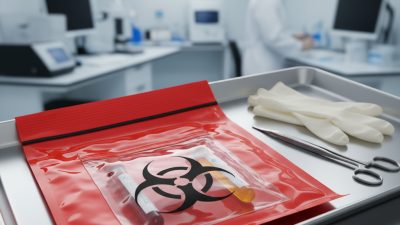
When it comes to transporting sensitive specimens, choosing the right packaging is crucial. Specimen bags with pouch are designed to ensure safety and integrity during transport. These bags provide an extra layer of protection, preventing contamination and loss.
In various fields, such as healthcare and research, reliability is paramount. Using quality specimen bags can help secure valuable samples. However, not all bags offer the same level of protection. Some may lack adequate sealing or puncture resistance. This can lead to costly mistakes. It’s essential to evaluate the specifications and features before making a choice.
While many options are available, finding the best specimen bags with pouch can be challenging. Consideration of material durability, size variety, and ease of use is vital. A focus on these factors can help users make informed decisions. Ultimately, the right specimen bag can make a significant difference in maintaining specimen viability. Reflecting on past choices can guide future selections toward safer transport methods.
Best Specimen Bags with Pouch: Introduction to Safe Transport Solutions
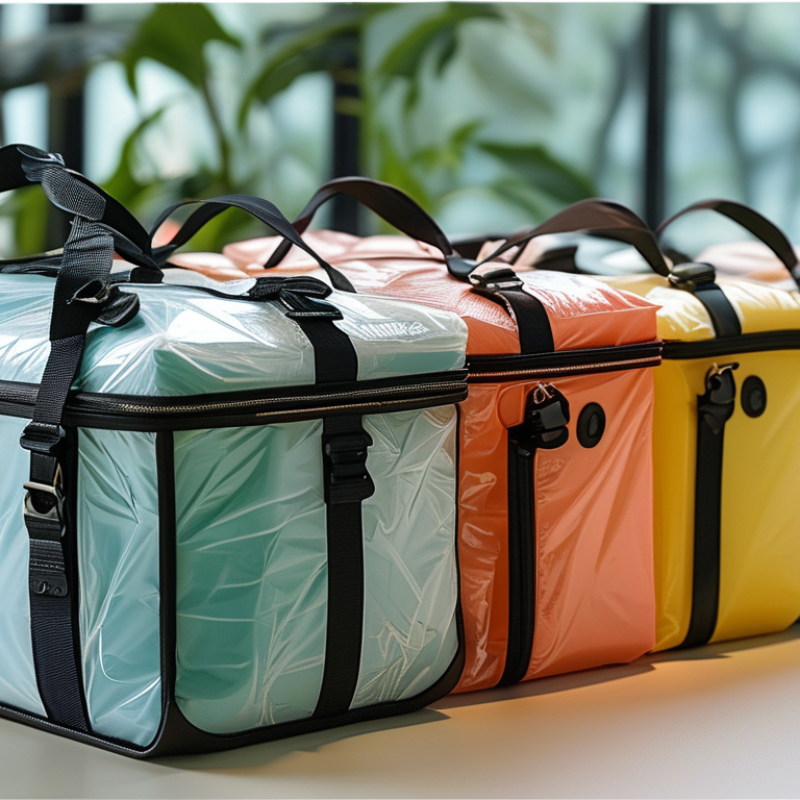
When it comes to transporting specimens, safety is paramount. Quality specimen bags with pouches provide essential protection. These bags are designed to handle different types of materials, ensuring that biological samples remain secure during transit. The materials used are often resistant to tearing and puncturing. This adds an extra layer of safety for both the samples and the handlers.
Moreover, specimen bags typically feature easy-to-use zippers or seals. Fastening mechanisms ensure a tight closure, minimizing the risk of contamination. The pouches within these bags can hold separate items, such as documentation or labels. This organization helps prevent mix-ups and keeps everything in one place. However, sometimes the seals may fail, or the pouches may not be durable enough, leading to concerns about reliability.
Another key aspect is labeling. Proper labeling is critical for tracking and identification. Yet, mislabeling can occur due to oversight during busy periods. This highlights the need for strict protocols. Overall, the use of high-quality specimen bags significantly enhances safety and efficiency in transport processes, but ongoing evaluation and improvement are necessary to address potential flaws.
Key Features to Look for in Specimen Bags with Pouch
When selecting specimen bags with pouches, certain key features stand out as essential for safe transport. The integrity of the bag material is paramount. According to the Journal of Clinical Microbiology, high-quality polyethylene or polypropylene materials can significantly reduce the risk of leaks and contamination. Look for bags that have reinforced seams, as these are less likely to tear under pressure.
Zipper seals and adhesive flaps provide additional security. These features help maintain a sterile environment and prevent accidental spills. Research indicates that bags designed with separate compartments can protect specimens from cross-contamination. In fact, studies reveal that up to 30% of laboratory errors stem from specimen mishandling.
Visibility is another important aspect. Transparent pouches allow for quick identification and easy access without opening the bag. However, one must also consider the weight. Heavier bags may add to transport costs and make handling cumbersome. Striking a balance between durability and convenience is vital. Consideration of all these factors can help ensure safe transport options for specimens, but ongoing evaluation of materials and designs is essential for continued improvement.
Best Specimen Bags with Pouch for Safe Transport Options
| Feature |
Description |
Material |
Safety Features |
Size Options |
| Durability |
Tear-resistant with heavy-duty construction. |
Polyethylene |
Leak-proof seal and puncture-resistant. |
Small, Medium, Large |
| Visibility |
Transparent design for easy identification of contents. |
Polypropylene |
Double-zipper closure for enhanced security. |
Varied sizes available |
| Pouch Functionality |
Extra pouch for documentation or labels. |
Nylon |
Tamper-evident features. |
Custom sizes upon request |
| Sealing Method |
Heat seal or adhesive options for secure closure. |
Low-density polyethylene |
Anti-static properties for sensitive samples. |
Standard and custom sizes available |
Top Recommended Brands for Specimen Bags with Pouch
When selecting specimen bags with pouches, understanding the importance of safety and reliability is crucial. A recent report highlights that over 30% of specimen transport issues stem from inadequate packaging. Therefore, bags that feature integrated pouches are increasingly recommended for their ability to separate specimens from other materials. This helps prevent contamination, a risk that can compromise results and patient safety.
Among the most noted attributes of high-quality specimen bags is their durability. Many leading industry studies indicate that bags made from multilayer plastic not only enhance protection but also provide better resistance to punctures. The use of clear material allows for easy identification while maintaining the integrity of the samples. Recent statistics show that specimen integrity is preserved up to 40% better when using these specialized bags.
Conversely, not all products meet the necessary standards. Some bags may lack proper seals or fail to withstand the conditions during transport. Reliability in material choice is paramount. While many brands offer various options, a thorough understanding of material properties and specifications can guide a more informed selection. Prioritizing quality over brand names can result in a more dependable transport solution, ultimately enhancing specimen security and testing efficacy.
Comparative Analysis of Different Materials Used in Specimen Bags
When selecting specimen bags with pouches, materials play a crucial role. Common options include polyethylene, polypropylene, and nylon. Each material has distinct properties affecting durability, flexibility, and resistance to contamination. For instance, polyethylene offers basic protection but lacks the strength required in challenging conditions. In contrast, polypropylene provides better resistance to tearing, making it more suitable for high-stakes environments.
Nylon is another popular choice, known for its superior puncture resistance. This material is ideal for transporting delicate specimens that need extra care. However, nylon bags can be more expensive than their polyethylene counterparts. Understanding these differences is vital for making informed decisions about specimen transport.
Environmental impact is also a consideration. Some materials are recyclable, while others contribute to environmental waste. A balance between performance and sustainability is necessary. This ongoing reflection helps users choose responsibly while prioritizing specimen safety. Remember, the right choice can enhance both protection and efficiency in specimen handling.
Best Practices for Using Specimen Bags for Safe Transport of Samples
Transporting biological specimens requires stringent protocols to ensure safety and integrity. Various studies indicate that 10-15% of samples are compromised during transit due to inadequate packaging. Specimen bags with pouches serve a dual purpose: they safeguard against contamination and provide organization. These features are critical, especially when transporting sensitive materials like blood or tissue samples.
Best practices highlight the importance of using leak-proof and puncture-resistant bags. A report from the National Institutes of Health emphasizes that improper sealing can lead to cross-contamination. Proper labeling is equally crucial. Clear, legible information helps prevent misidentification. In one analysis, mislabeling was noted in nearly 20% of specimens sent for testing.
Handling practices deserve attention as well. Personnel should be trained in the correct techniques for sealing and storing samples. Interestingly, a survey found that 30% of healthcare workers felt uncertain about packaging procedures. This gap in knowledge poses risks to the integrity of the samples. Attention to detail in every phase of specimen transport is essential for maintaining statistical validity in laboratory results.