Why Choose 50 ml Centrifuge Tubes for Your Lab Needs?
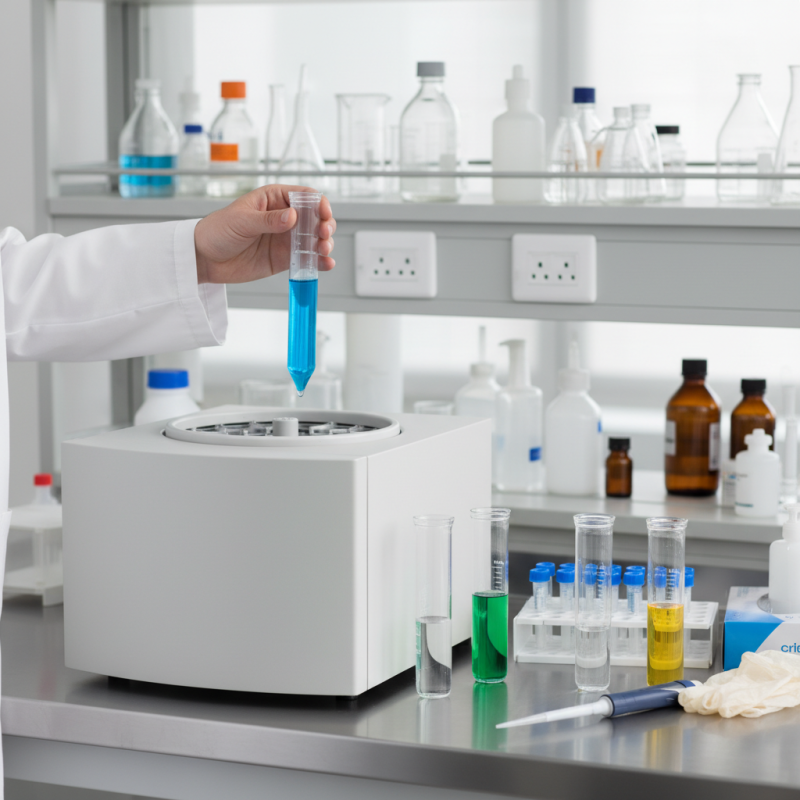
When selecting equipment for your lab, the choice of containers is crucial. 50 ml centrifuge tubes stand out among various options available. These tubes are designed for optimal performance and reliability. They offer a perfect size for samples, making them suitable for a wide range of applications.
Using 50 ml centrifuge tubes improves workflow efficiency. They are lightweight yet robust, withstanding the rigors of centrifugation. Proper sealing reduces sample contamination risks. The clarity of these tubes also allows for easy inspection.
Still, one must reflect on their usage. Are these tubes always the best choice for your specific needs? Evaluating sample volume and assay requirements is essential. Adapting to different scenarios can enhance overall lab productivity. Rely on 50 ml centrifuge tubes, but remain open to alternatives that may suit your experiments better.
Advantages of Using 50 ml Centrifuge Tubes in Laboratory Settings
In laboratory settings, the choice of centrifuge tubes can significantly impact research outcomes. Fifty ml centrifuge tubes are often preferred due to their versatility. They accommodate a wide range of sample volumes, making them ideal for various experiments. According to industry reports, tubes that can hold larger volumes reduce the need for multiple samples, which streamlines workflow.
One notable advantage of these tubes is their durability. Most are made from high-quality polypropylene, ensuring they withstand harsh centrifugation conditions. A study found that tubes designed for centrifugation above 5,000 RPM maintain integrity better than those made from alternative materials. This aspect is crucial for maintaining sample viability and preventing contamination.
Tip: Always ensure the tubes are certified for the specific centrifugation speeds you will use. Check for compatibility with your samples to avoid compromising results.
Another factor to consider is the ease of sealing and handling these tubes. Many feature snap-on lids or secure closures, which minimize leaks. However, it's essential to evaluate the sealing mechanism periodically. A poorly sealed tube can lead to sample degradation.
Tip: Conduct regular checks on tube seals if storing samples for extended periods. Consider labeling all tubes clearly to prevent mix-ups in high-volume labs.
Comparison of 50 ml Centrifuge Tubes with Other Sizes
When selecting centrifuge tubes, the size you choose can significantly impact your lab results. The 50 ml centrifuge tube offers a balanced capacity for a variety of applications, making it an ideal choice for many researchers. Compared to smaller sizes, like 15 ml tubes, the 50 ml version accommodates more samples while requiring fewer tubes. This can enhance productivity and minimize errors during sample handling.
However, larger sizes can also pose challenges. If space is limited in your centrifuge, a 50 ml tube might not fit. The weight of the samples can affect the rotor balance, leading to inaccurate results. Be mindful of selecting a size that aligns with your equipment and workload. This ensures optimal performance in your experiments.
Tips: Always check the compatibility of your centrifuge with the chosen tube size. Also, consider how your sample volume correlates with the tube's capacity. Think about the potential risks involved in using larger tubes, especially if you’re handling sensitive materials. The balance between size and usability is crucial for reliable outcomes in your research.
Key Features to Look for in 50 ml Centrifuge Tubes
When selecting 50 ml centrifuge tubes for your lab, focus on several key features.
Material is crucial. Choose tubes made from high-quality plastics. They should be resistant to temperature changes and chemicals.
A good tube must withstand high centrifugal forces. Consider transparency for easy sample observation. This feature helps in monitoring sedimentation processes effectively.
Next, look for secure closures. Leak-proof caps are essential.
They prevent spills and contamination, ensuring sample integrity. The design should facilitate easy opening and closing.
Some tubes offer graduated markings. This allows for precise measurements, reducing errors in experiments.
Compatibility with various centrifuges matters too. Not all tubes fit every machine.
Ensure that the tube’s dimensions align with your equipment specifications.
Consider the tube’s compatibility with liquid nitrogen for storage.
This can be vital for long-term sample preservation.
Selecting the right features can significantly impact your lab results.
Balancing these factors leads to better outcomes and efficient workflow.
Common Applications of 50 ml Centrifuge Tubes in Research
50 ml centrifuge tubes are invaluable in various research applications. These tubes are commonly used in the fields of molecular biology, biochemistry, and microbiology. Their design accommodates a wide range of samples—from cell cultures to biological fluids. One report from the National Institutes of Health indicates that over 65% of biological experiments utilize centrifugation techniques, highlighting the importance of centrifuge tubes in laboratory settings.
In microbiology, 50 ml centrifuge tubes are often employed for cell harvesting. Researchers use them to separate cells from growth media effectively. This process is crucial for downstream applications like DNA extraction and protein analysis. A recent analysis by the Journal of Microbial Methods pointed out that proper tube selection can increase yield by 15-20%. This data suggests a direct impact on experimental outcomes, reinforcing the need for reliable equipment.
In cell culture applications, these tubes assist in the preparation and storage of cell pellets. Their volume allows for sufficient sample handling without significant risk of contamination. Interestingly, many users reported issues with tube integrity during harsh centrifugation cycles. Such challenges highlight the importance of reliability in lab equipment, pushing researchers to continually evaluate their tools and protocols. Reliable tube performance can greatly influence the reproducibility of experiments, a key factor in scientific research.
Why Choose 50 ml Centrifuge Tubes for Your Lab Needs? - Common Applications of 50 ml Centrifuge Tubes in Research
| Application |
Description |
Typical Volume |
Centrifuge Speed |
| Cell Pelleting |
Used for sedimenting cells from culture media. |
50 ml |
3000 - 5000 x g |
| Protein Precipitation |
Isolation of proteins from solutions for further analysis. |
50 ml |
4000 x g |
| DNA/RNA Extraction |
Facilitates separation of nucleic acids from cellular debris. |
50 ml |
5000 x g |
| Sample Storage |
Ideal for storing biological samples at low temperatures. |
50 ml |
N/A |
| Cell Culture |
Used for maintaining and growing cell cultures in labs. |
Up to 50 ml |
N/A |
Best Practices for Using and Maintaining 50 ml Centrifuge Tubes
Proper use and maintenance of 50 ml centrifuge tubes are crucial for effective laboratory work. Studies indicate that contamination is a common issue in labs, affecting up to 25% of samples. Regular cleaning of centrifuge tubes should be a priority. A simple rinse with distilled water can prevent cross-contamination. It’s also wise to inspect tubes for cracks or cloudiness before each use, as defective items can compromise experiments.
Storage conditions matter greatly. Centrifuge tubes should be kept in a clean, dry area. Extreme temperatures can alter the material properties of plastic tubes, impacting their reliability. Research shows that improper storage can lead to a decrease in tube performance by up to 30%. Labeling tubes clearly can also minimize mix-ups, providing clarity in busy lab environments.
Lastly, overloading centrifuge tubes can lead to structural failures. It's essential to adhere to the maximum fill line. This not only ensures safety but also maintains the integrity of centrifugation. According to the American Society for Testing and Materials, tubes should be balanced within 0.1 grams to avoid potential accidents. Being mindful and detail-oriented can greatly enhance the reliability of lab results.