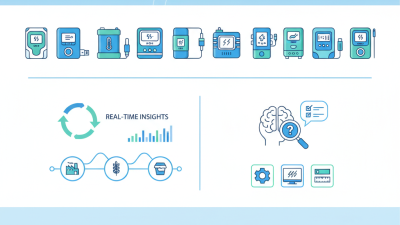
10 Best High Temperature Data Loggers for Accurate Monitoring?
In industries where precision is crucial, accurate temperature monitoring is vital. High temperature data loggers are essential tools for this purpose. According to a report by Research and Markets, the global data logger market is expected to grow significantly, driven by rising demands across various sectors such as food, pharmaceuticals, and manufacturing.
These devices not only ensure compliance with safety regulations but also enhance product quality. A recent study by Allied Market Research indicates that improper temperature monitoring can lead to substantial financial losses. High temperature data loggers play a critical role in preventing these losses by providing real-time data monitoring.
Despite their benefits, not all high temperature data loggers are created equal. Some users report challenges with data accuracy and reliability. Implementing the right high temperature data logger can require careful consideration of specific needs and applications. Achieving optimal results depends on understanding the strengths and weaknesses of different models available on the market.
Overview of High Temperature Data Loggers and Their Importance
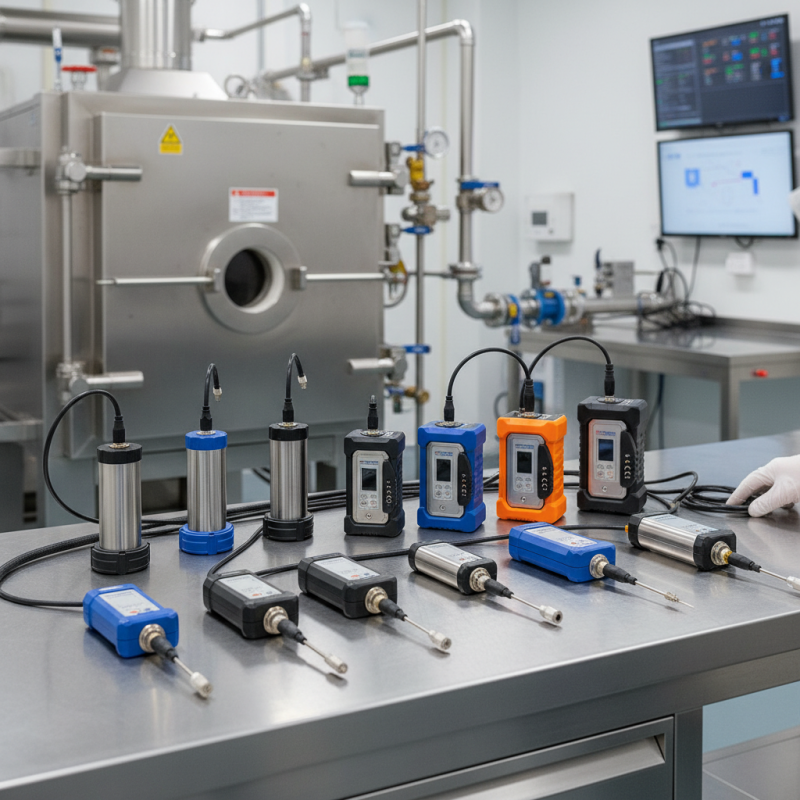
High temperature data loggers are essential tools for many industries. They monitor temperature fluctuations in various settings. These devices ensure products stay within safe temperature ranges. For example, they are critical in food storage, pharmaceuticals, and manufacturing.
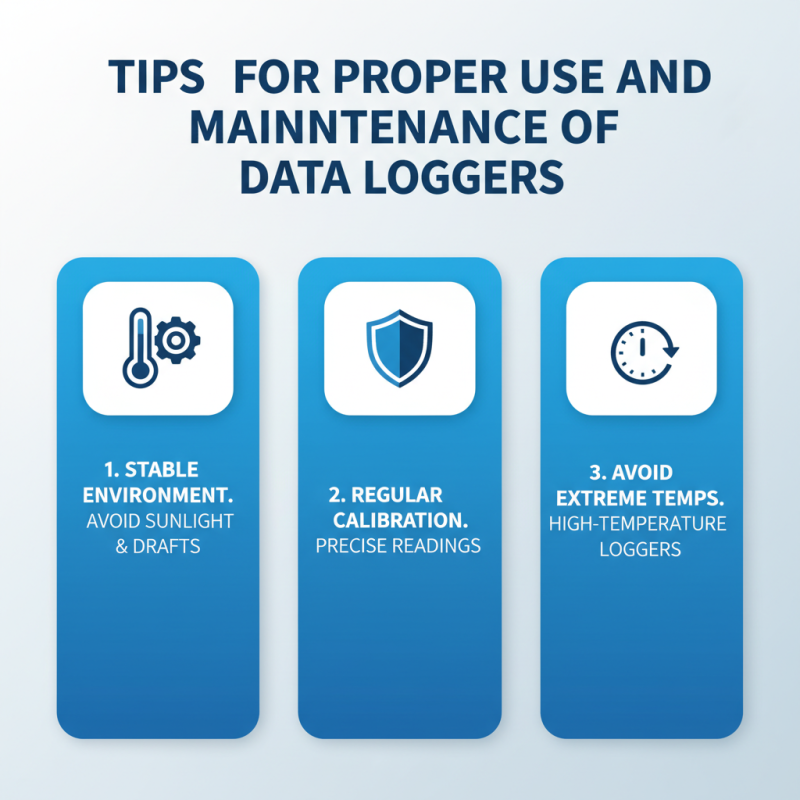
Monitoring at high temperatures is not just about recording data. It’s about safeguarding quality and compliance. A small temperature deviation could spoil a batch or compromise safety. Regular calibration of data loggers is necessary. This ensures accuracy and reliability over time.
Tips: Always check the specifications before use. Understand the operational range clearly. Additionally, choose loggers with user-friendly interfaces. This makes data retrieval and analysis easier for everyone involved. A well-placed data logger will provide consistent readings. Misplacement can lead to misleading results that could cost you.
Temperature Monitoring Data of High Temperature Data Loggers
Key Features to Look for in High Temperature Data Loggers
When selecting high temperature data loggers, specific features are crucial for ensuring accuracy and reliability. First, pay attention to temperature range. Many high-quality models can accurately monitor temperatures up to 1,000 degrees Celsius. This range is essential for industries like metal processing and food safety. Recognizing the needs of your application helps in choosing the right device.
Another important feature is the data storage capacity. Some loggers can store thousands of readings, which is valuable for long monitoring periods. Look for devices with wireless capabilities for easy data access. Research shows that remote monitoring can reduce errors and improve response times by up to 30%.
Also, consider the battery life and durability of the logger. High temperatures can affect battery performance. Some loggers are designed to function effectively under extreme conditions for extended periods. Ensure that the materials used are resistant to corrosion and harsh environments. These factors largely influence the long-term reliability of your monitoring solution.
Top 10 High Temperature Data Loggers Reviewed
High temperature data loggers are crucial for various industries, including food processing, pharmaceuticals, and industrial manufacturing. These devices monitor temperature fluctuations with exceptional accuracy, ensuring compliance with safety regulations. A research report indicates that improper temperature management can lead to a 10% loss in product quality. This highlights the need for precise monitoring.
In recent reviews, several models have emerged as industry leaders. The devices should feature durable materials to withstand harsh environments. Moreover, their data accuracy must reach within ±0.5°C or better. Many users often overlook calibration requirements, which can lead to unreliable data. Regular calibration ensures that data loggers provide precise information.
Real-life applications show that data loggers can enhance operational efficiency. For example, one manufacturing facility reported a 20% reduction in energy costs after implementing an effective monitoring system. However, not all data loggers offer long battery life, which may affect continuous monitoring. Users sometimes find themselves searching for a reliable source of power while remote. This highlights the necessity of continuous adaptation to technology trends for optimal performance.
Applications of High Temperature Data Loggers in Various Industries
High temperature data loggers play a pivotal role in various industries. In the food industry, they ensure that temperature-sensitive products are stored properly. Research shows that improper storage can lead to a 20% increase in spoilage rates. Keeping track of temperature variations helps reduce these losses effectively.
In pharmaceutical manufacturing, monitoring is even more critical. A study by the International Journal of Pharmaceutics highlights that 90% of drugs lose efficacy if stored outside specified temperature ranges. This reinforces the importance of data loggers in ensuring product integrity and compliance with regulatory standards.
However, implementing these devices comes with its challenges. Many facilities underestimate the maintenance required for reliable data collection. Dust and interference can compromise accuracy. Regular calibration and updates can help improve performance substantially, yet many overlook this aspect. Ensuring proper usage extends the life of these crucial monitoring tools.
10 Best High Temperature Data Loggers for Accurate Monitoring
| Model |
Temperature Range (°C) |
Accuracy |
Battery Life |
Applications |
| Model A |
-200 to 200 |
±0.5 |
5 years |
Food Industry, Pharmaceuticals |
| Model B |
-50 to 150 |
±0.2 |
3 years |
HVAC, Labs |
| Model C |
0 to 300 |
±1.0 |
2 years |
Manufacturing, Energy |
| Model D |
-40 to 125 |
±0.3 |
4 years |
Automotive, Aerospace |
| Model E |
-10 to 100 |
±0.5 |
6 years |
Construction, Warehousing |