How to Choose the Best Microscope Slide Box for Your Needs?
Choosing the right microscope slide box is crucial for effective sample storage and organization. Dr. Emily Carter, a leading expert in microscopy, states, “A well-chosen microscope slide box ensures your specimens are preserved in optimal condition.” Her insight underscores the importance of making informed decisions in this area.
When selecting a microscope slide box, consider the materials used. Flimsy plastic might be cost-effective, but it offers poor protection. You want durability to safeguard your valuable slides. The size of the box also matters. A box that is too small could damage your slides, while an oversized one may lead to disorganization.
Reflect on your specific needs. If you frequently transport slides, a lightweight, compact design is ideal. Conversely, if you focus on long-term storage, a sturdy, airtight box might be more suitable. Remember, the choice of a microscope slide box is not just about storage; it's about preserving your work’s integrity.
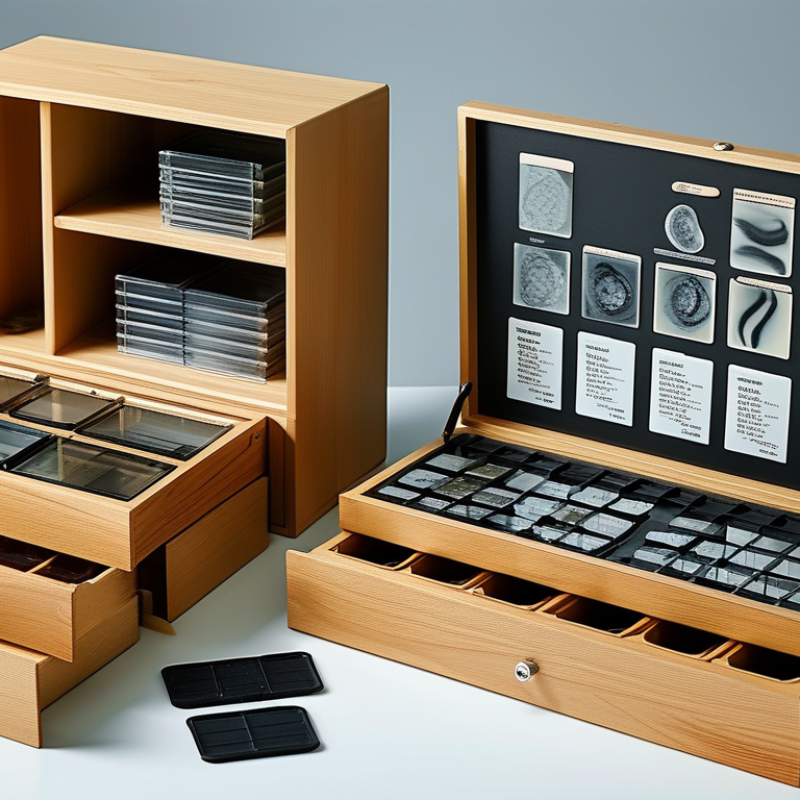
Understanding Microscope Slide Box Materials and Their Durability
When choosing a microscope slide box, the material plays a key role in its longevity. Various materials offer different levels of durability.
Plastic slide boxes are lightweight and resistant to moisture, making them good for fieldwork. However, they may not withstand heavy use under rigorous conditions.
Glass slide boxes, while heavier, offer better resistance to scratches and impacts. This could be beneficial in laboratory settings where the slides are frequently handled.
Metal slide boxes provide a unique combination of durability and aesthetics. They are robust but can be prone to corrosion if not properly maintained. Each material has its strengths and weaknesses, and your choice should be based on your specific needs.
Beyond just durability, consider how often you will use the slide box. Frequent use may warrant a heavier-duty option. The choice of material might reflect your budget and intended use. Reflect on how each option aligns with your practical requirements. This approach will help you select the most suitable microscope slide box for your specific context.
Evaluating Size and Capacity: How Many Slides Do You Need?
When selecting a microscope slide box, size and capacity are crucial factors. Consider how many slides you plan to store. A box that holds 20 slides may be ideal for casual use. However, if you are an educator or researcher, you might need one that accommodates 50 or more.
Think about your workflow. Will you frequently switch between slides? A larger box could prevent unnecessary hassle.
Next, think about the types of slides you will use. Traditional glass slides require different spacing compared to thicker preparations. Adjusting your choice based on the slide type can ensure better organization and reliability. Additionally, frequent users should consider reviewing their current needs periodically. Maybe your slide collection expands. Reflecting on your storage requirements pays off in the long run.
Don’t forget to consider portability. A lightweight box may be convenient for travel but might compromise storage capacity. Find a balance that works for you. Assess your priorities honestly. Your ideal microscope slide box should enhance your experience, not complicate it.
Assessing Slide Protection Features to Prevent Contamination and Damage
When selecting a microscope slide box, protection features are crucial. A reliable box offers safeguarding against contamination and physical damage. The National Institute of Health (NIH) states that 80% of biological samples can degrade without proper containment. A strong, sealable box can reduce the exposure to dust and moisture, both known contaminants.
Material matters too. Acrylic slide boxes provide a transparent view while protecting against UV light. Research shows that UV exposure can degrade slides, altering results. Choose a box with dividers to prevent slides from clashing. This can help minimize scratches and preserve specimen integrity, a much-needed feature for long-term use.
While many boxes claim to shield slides, not all meet standards. Some low-quality options lack airtight seals, which compromises protection. It’s wise to assess user reviews and material certifications. Investing in a superior box can prevent future complications, such as needing to reprocess samples or losing valuable specimens. Keeping slides in pristine condition is essential for accurate microscopy results.
Analyzing the Importance of Organization Systems in Slide Storage
When it comes to slide storage, organization is key. A well-organized microscope slide box can significantly streamline your work. Each section of the box should have clear labels. This allows for easy identification of various specimens. Consider using compartments that are adjustable. They can accommodate slides of different sizes.
Poor organization can lead to frustration. Searching through a disorganized box wastes valuable time. It can also result in the misplacement of critical slides. Regularly reviewing your system can help identify issues. You might find the need for additional compartments or clearer labels. Ensure that everything is in its rightful place to improve efficiency.
Ultimately, a good slide storage system enhances your research experience. It allows you to focus on the important aspects of your work. By prioritizing organization, you foster a more productive environment. Investing in the right organizational tools pays off in the long run.
How to Choose the Best Microscope Slide Box for Your Needs?
| Feature |
Importance |
Recommended Option |
| Material |
Durability and protection against moisture |
Plastic or Metal |
| Capacity |
Amount of slides for varying needs |
50 - 100 slides |
| Size |
Portability and workspace efficiency |
Compact design |
| Slide Holders |
Prevention of slide movement and damage |
Easily adjustable clips |
| Organization System |
Ease of access and retrieval |
Labeling system or color codes |
| Price |
Budget considerations |
Affordable options under $50 |
Comparing Price Points: Budget vs. Premium Microscope Slide Boxes
When choosing a microscope slide box, price is a major consideration. Options range from
budget boxes costing around $20 to premium models priced over $100.
Research indicates that professionals often invest in high-quality storage solutions. A study by the American Society for Microbiology
suggests that quality storage can prolong the lifespan of samples.
Budget microscope slide boxes usually meet basic needs. They are often made from
lower-quality plastic and may not seal tightly. This can lead to contamination. In contrast, premium boxes often feature high-grade
materials. They offer better seals and compartments for storage, preventing damage. According to a report from the
Journal of Microscopy, choosing premium storage can improve sample accessibility and
organization for laboratory work.
Users should consider their specific needs. A less expensive box may suffice for casual use. However, serious researchers might
require the reliability found in premium models. The trade-off
between price and quality can sometimes feel unclear. It’s essential to weigh the importance of durability
and functionality against budget constraints.