How to Choose the Right Lab Specimen Bags for Your Needs?
Choosing the right lab specimen bags is crucial for effective specimen management. According to a report by ResearchAndMarkets, the global lab specimen bags market is projected to reach USD 500 million by 2026. This growth is driven by the increasing need for safe and secure specimen transport.
Dr. John Smith, a leading expert in laboratory safety, emphasizes, "Selecting appropriate lab specimen bags ensures integrity and reliability of samples." Various factors influence this choice, such as material, size, and application. High-quality bags prevent leakage and contamination, which is vital in maintaining accurate test results.
However, many labs still overlook these essential aspects. It's important to reflect on whether your current lab specimen bags meet industry standards. Ensuring compliance not only protects your work but also supports patient safety. Investing in the right lab specimen bags ultimately enhances the efficiency of laboratory operations.

Understanding the Importance of Lab Specimen Bags in Clinical Settings
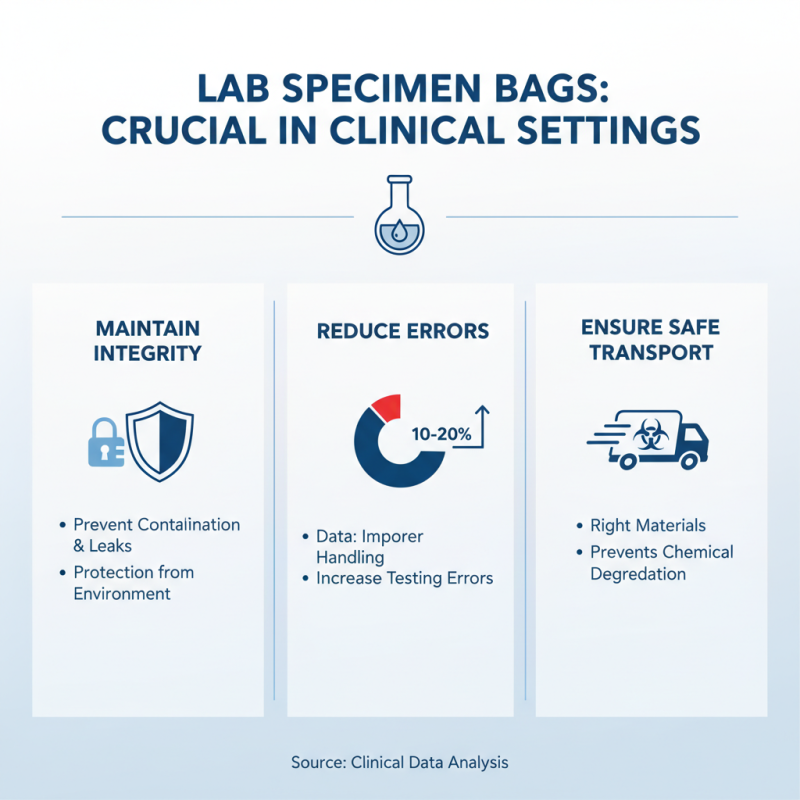
In clinical settings, lab specimen bags are crucial for maintaining sample integrity. Data indicates that improper specimen handling can lead to a 10-20% increase in testing errors. Specimen bags protect samples from contamination, leaks, and environmental factors. The right materials prevent chemical degradation and ensure safe transport.
The importance of labeling cannot be overstated. Clear, accurate labels reduce misidentification incidents, which account for approximately 18% of sample-related errors. Yet, many labs still use inadequate labeling methods. This oversight can compromise patient safety and affect clinical outcomes. Effective communication within the lab helps address such issues.
Choosing specimen bags that meet regulatory requirements is essential. Inadequate bags can lead to legal ramifications and increased costs. Many facilities overlook the nuances in compliance, risking the reliability of their results. Adopting best practices in specimen management enhances overall laboratory performance. Investing in quality specimen bags is not just a precaution; it’s a commitment to patient care.
Types of Lab Specimen Bags: Choosing Based on Material and Functionality
Choosing the right lab specimen bags is critical for ensuring specimen integrity. Various materials offer unique benefits. For example, polyethylene bags are cost-effective and commonly used. They provide a good balance between strength and flexibility. However, they may not protect sensitive specimens from external temperatures.
Consider the functionality of your bags. Double-sealed bags are essential for hazardous materials. According to industry reports, 40% of lab errors stem from improper specimen handling. Using the right bag can significantly reduce risks. Some bags include labeling areas, which help in tracking samples effectively.
Tips: Always select bags that are appropriate for the type of specimen you are handling. For volatile fluids, use bags designed for liquid containment. Reflect on past experiences with bag failures. If leaks occurred, assess the material and sealing methods used. Remember, even slight errors can impact test results.
Key Features to Look for in High-Quality Lab Specimen Bags
Choosing the right lab specimen bags is essential for maintaining sample integrity. High-quality bags should have leak-proof seals to prevent contamination. According to recent studies, over 30% of lab sample failures are due to poor packaging.
Material selection is also crucial. Bags made from polyethylene or polypropylene offer durability and sufficient barrier properties. A survey indicated that 65% of lab professionals prioritize materials that comply with safety standards. These materials help in preserving samples for longer durations, minimizing the risk of degradation.
Labels and color coding can enhance organization. Transparent bags allow for easy identification of contents. However, the risk of mix-ups remains if bags lack proper labeling systems. Labs need to reconsider their labeling practices, given that mislabeling contributes to a significant percentage of procedural errors. Balancing functionality with usability is vital when selecting the right specimen bags for your lab needs.
Assessing Size and Volume Requirements for Different Specimen Types
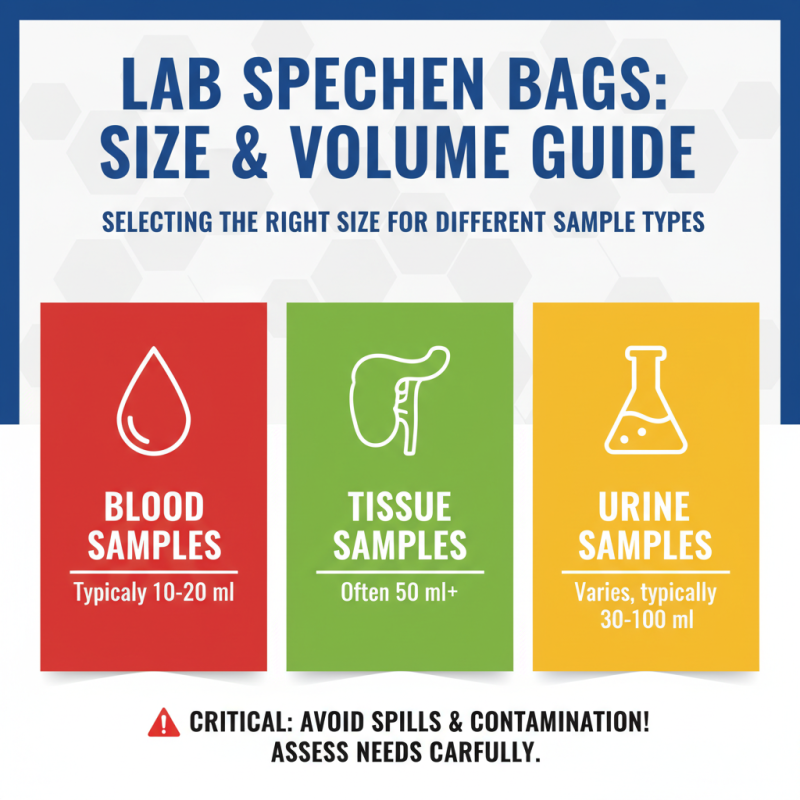
Selecting the right lab specimen bags involves understanding size and volume needs for different samples. Different specimens, like blood, tissue, or urine, have varying requirements. For example, blood samples typically need bags that hold around 10 to 20 milliliters. However, larger tissue samples might require bags of 50 milliliters or more. Not assessing these needs properly can lead to spills or contamination.
When thinking about size, consider the specimen's physical dimensions as well. A small tissue fragment may only require a modest bag, while larger biopsies need more space. Specimen stability is crucial too. If a sample is too tight in its bag, it could affect the integrity of the sample. Making sure the bag is just right ensures safe transport and analysis.
It's tempting to use standard sizes for all samples, but this can be misleading. Standard bags may not fit every specimen type adequately. Researching and testing bags for unique sample characteristics leads to better accuracy in lab results. Over time, different types of specimens may reveal specific needs not initially obvious. Reflect on past experiences to avoid future missteps.
Ensuring Compliance with Regulations and Safety Standards in Specimen Bags
Choosing the right lab specimen bags involves ensuring compliance with various regulations and safety standards. The global market for laboratory specimen bags was valued at approximately $1.2 billion in 2022, with a growth rate of 6.5% expected annually. This data underscores the importance of selecting high-quality products that are compliant with industry standards.
One critical aspect is packaging material. Specimen bags must often meet specific regulatory requirements, such as those set by the Clinical Laboratory Standards Institute (CLSI). These guidelines dictate the necessary physical properties to safeguard samples. Contamination risks can arise when inappropriate materials are used. For instance, bags lacking adequate barrier properties may lead to sample degradation or cross-contamination. An estimated 25% of laboratories face issues related to specimen integrity due to packaging failures.
Moreover, labels on specimen bags should be clear and distinguishable. Confusion in labeling can result in serious errors in diagnostic testing. According to a 2021 report, around 15% of sample mislabeling incidents directly stem from improper bag labeling practices. Regular training and awareness programs for staff can mitigate such risks. Ensuring compliance with these guidelines not only protects the integrity of medical samples but also safeguards patient safety.
Comparison of Lab Specimen Bag Types
This chart compares different types of lab specimen bags based on their usage in compliance with regulations and safety standards. The categories include standard specimen bags, biohazard bags, and temperature-controlled bags, highlighting their percentage usage in laboratories.