Best Biohazard Specimen Bags for Effective Medical Waste Management?
In the realm of healthcare, efficient medical waste management is crucial. Among the various components involved, biohazard specimen bags play a vital role. These bags must meet stringent standards to ensure safety and effectiveness. According to a 2022 report by the World Health Organization, improper disposal of biohazardous materials can lead to serious health risks and environmental contamination.
Biohazard specimen bags protect against accidental exposure and help retain specimens securely. In 2020, a study from the Journal of Environmental Health highlighted that 60% of healthcare facilities do not utilize proper containment methods for hazardous waste. This statistic emphasizes the need for effective solutions in waste management.
Many facilities struggle to comply with regulations regarding biohazardous waste. A lack of training or knowledge often leads to misuse of these essential bags. Choosing the right biohazard specimen bags is critical. It requires understanding the specific needs of each facility and the type of waste produced. This careful selection can create a safer environment for healthcare professionals and patients alike.

Importance of Biohazard Specimen Bags in Medical Waste Management
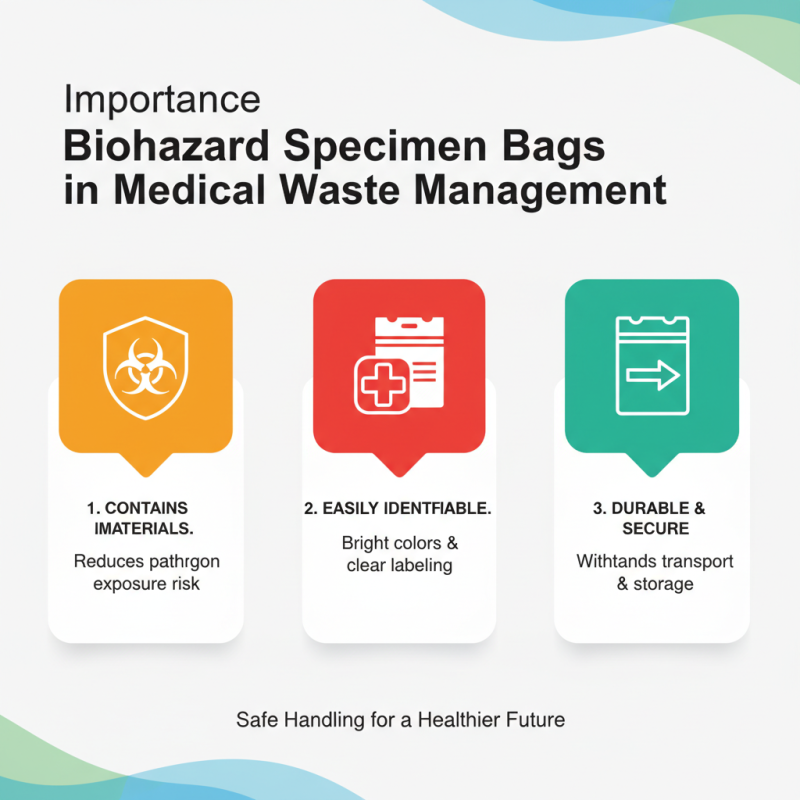
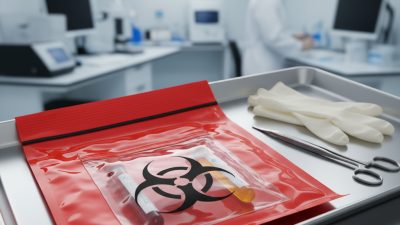
Biohazard specimen bags play a critical role in the safe handling of medical waste. They are designed to contain potentially infectious materials, reducing the risk of exposure to hazardous pathogens. These bags often feature bright colors and clear labeling, making them easily identifiable. Their durability ensures that they can withstand the rigors of transport and storage.
Proper use of biohazard specimen bags is vital for protecting healthcare workers and the public. They must be sealed correctly to prevent leaks. Inadequate sealing can lead to contamination and spread of infection. Training staff on the correct usage of these bags is essential, yet often overlooked. The need for more training resources is apparent, as inconsistent practices can undermine safety efforts.
Moreover, not all biohazard bags are created equal. Some are designed for specific types of waste, while others are more general. This can cause confusion in medical facilities. Hospitals must regularly evaluate their choices in biohazard bags to ensure optimal performance. Regular audits can help identify gaps in the current system. By doing so, they can improve not only safety but also compliance with health regulations.
Types of Biohazard Specimen Bags and Their Applications
Biohazard specimen bags are essential for managing medical waste effectively. These bags come in various types, each designed for specific applications. Commonly used are leak-proof bags for transporting specimens. According to the U.S. Environmental Protection Agency, improper handling of medical waste can lead to potential health risks.
Red biohazard bags are widely recognized. They indicate that the contents are infectious or potentially harmful. Studies show that using dedicated bags can reduce cross-contamination risks by up to 75%. Another type is the yellow bag, which is often used for chemotherapy waste. This type ensures that hazardous drugs do not pose risks to healthcare workers or the environment.
Despite the effectiveness of these bags, challenges persist. Many facilities struggle with compliance and proper labeling. The National Institutes of Health reported that up to 30% of medical facilities fail to train staff adequately on waste segregation. This gap can lead to improper disposal, increasing health hazards. Addressing these concerns is critical for ensuring safety in medical waste management.
Key Features to Consider When Choosing Biohazard Specimen Bags
Choosing the right biohazard specimen bags is essential for effective medical waste management. These bags play a crucial role in ensuring safety and compliance. Key features should always be considered. For instance, strength and puncture resistance are critical. Opt for bags that can endure sharp objects and liquids. This helps prevent leaks and potential contamination.
Another important factor is visibility. Clear bags allow for easy identification of contents. This can save time during disposal and ensure proper handling. Some facilities might overlook this detail. However, clarity can be a game-changer in emergencies. Also, the bag's closure mechanism matters. A reliable seal is vital to prevent any spillage.
Regulations vary, but following local guidelines is crucial. Being aware of these requirements can shape your choices. It’s easy to become complacent with standard practices. However, consistent evaluation of your biohazard waste management strategy can lead to substantial improvements. Inadequate selection of bags might seem minor but can have significant consequences. Reflecting on these factors can enhance safety and efficiency in medical environments.
Best Biohazard Specimen Bags for Effective Medical Waste Management
| Feature |
Importance |
Recommendation |
| Material Durability |
Ensures contents remain secure and intact. |
Choose bags made of high-density polyethylene (HDPE). |
| Seal Type |
Prevents leaks and contamination. |
Opt for self-sealing and heat-sealed options. |
| Size Variety |
Accommodates different specimen types. |
Select a range of sizes for flexibility. |
| Labeling |
Ensures proper identification and handling. |
Look for pre-printed or writable labels. |
| Color-Coding |
Facilitates quick identification of hazardous materials. |
Choose bags in different colors for various waste types. |
| Puncture Resistance |
Minimizes risk of accidental spills or injuries. |
Select bags with enhanced puncture resistance. |
Regulatory Standards and Compliance for Medical Waste Packaging
In the realm of medical waste management, regulatory standards are paramount. The Centers for Disease Control and Prevention (CDC) and the Environmental Protection Agency (EPA) outline critical guidelines. These include the proper labeling and packaging of biohazard materials. Compliance is not merely a box to check; it ensures public safety and environmental protection.
Industry reports indicate that improper disposal of medical waste can lead to serious health risks. According to the World Health Organization, approximately 15% of healthcare waste is hazardous. This emphasizes the need for stringent adherence to protocols. Medical facilities often overlook training staff on the significance of regulations. This gap can lead to non-compliance and increased liability.
Biohazard specimen bags must meet specific criteria. They should be leak-resistant, properly labeled, and puncture-resistant. Not all bags on the market fulfill these requirements. Continuous evaluation of packaging options is necessary. Choosing subpar materials can result in spills or contamination. Decision-makers must reflect on their choices regularly. Compliance is a journey, not a destination.
Best Practices for Using Biohazard Specimen Bags Effectively
The use of biohazard specimen bags is critical in medical waste management. These bags protect healthcare workers and the environment from harmful pathogens. According to the Centers for Disease Control and Prevention (CDC), over 5.6 million healthcare workers are at risk of exposure to infectious diseases. Proper use of biohazard bags can significantly reduce this risk.
Tips for effective use of biohazard specimen bags include ensuring the bags are properly sealed. Leaks can lead to contamination. Regularly check for damages or weak spots in the bags. A study by the Occupational Safety and Health Administration (OSHA) found that unsealed bags often contribute to preventable incidents in healthcare settings. Maintain a clear labeling system to distinguish between regular waste and biohazard waste.
Incorporating training for staff is essential. Workers should understand the importance of using these bags correctly. A survey from the World Health Organization (WHO) indicated that 70% of healthcare facilities lack adequate training on waste management. Continuous education can minimize risks and enhance safety protocols. Emphasizing these practices ensures a safer healthcare environment for everyone involved.
Best Biohazard Specimen Bags for Effective Medical Waste Management
This chart illustrates the effectiveness ratings of various types of biohazard specimen bags used in medical waste management. The effectiveness rating is based on durability, leak prevention, and compliance with safety regulations.