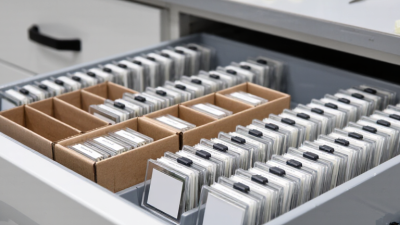
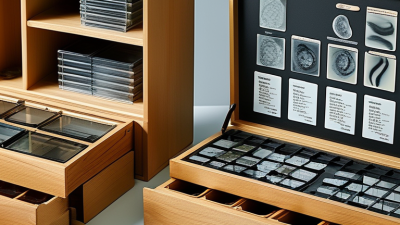
Microscope slides hold more than specimens. They preserve diagnostic evidence, teaching collections, and years of careful laboratory work. Yet one cracked corner or faded label can make a valuable slide difficult to use. The right microscope slide storage boxes help protect each glass slide and keep collections organized.
In this introduction, laboratory storage specialist Dr. Adrian Cole offers a practical guiding principle: “Protect the slide, preserve its identity, and make retrieval predictable.” This is an illustrative composite quotation, not a verified verbatim statement. The advice still points to the details that matter: box capacity, slot fit, lid security, label visibility, and resistance to routine handling. A box may look sturdy on a bench but feel awkward in a crowded cabinet. Small differences matter.
The 10 options in this guide are considered through everyday lab needs, not appearance alone. We look at materials, slide capacity, closure design, indexing features, and suitability for short-term or longer-term storage. A clear index can save minutes during a busy session. So can a snug slot. Still, no container can correct a missing label or careless handling. That part is easy to overlook. Use this comparison to identify microscope slide storage boxes that fit your collection, workspace, and retrieval habits, then check product specifications before ordering.

Microscope slide storage boxes protect prepared slides from dust, edge chips, and accidental contact. They also keep specimens organized when several projects share a bench. A snug slot holds each slide upright, while a lid limits exposure during storage. It is simple protection, not a substitute for careful handling.
Design affects daily use. Numbered positions help staff match slides to a log, and clear labels make retrieval faster. Boxes may hold different numbers of standard slides, so check slot dimensions and capacity before choosing one.
Some use plastic; others use wood or metal. The right material depends on cleaning routines, humidity, and how often the box is moved. Keep labels readable. Faint handwriting can waste more time than a missing slide.
In routine lab use, store slides dry and place them in the same orientation each time. Avoid overfilling slots; crowded slides can scrape or crack. A box with a secure lid travels better between rooms, but it should still be carried level. Review stored slides periodically and update the inventory after removing or adding specimens. No design fits every workflow. Even a well-organized box can become confusing when its labeling system is ignored.
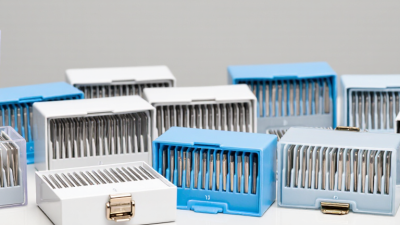
ISO 8037-1:1986 specifies microscope slide dimensions of 76 × 26 mm, a useful reference when selecting storage boxes. This standard gives labs a common dimensional check; it does not guarantee every slide or box fits identically. Measure a sample before ordering, especially when slides have frosted ends or labels. Small differences matter. A slide that catches on a compartment wall can chip at the edge during retrieval.
For the “10 Best Microscope Slide Storage Boxes for Labs,” compare internal compartment dimensions with the 76 × 26 mm slide face, not only the box’s outside measurements. Check lid clearance too: stacked slides or raised labels may press against it. ISO 8037-1 provides the key size data, while direct fit testing confirms whether a particular box suits your workflow. That step is easy to skip. It can also expose awkward details, such as tight slots that slow handling or loose compartments that let slides shift. Record the standard and your measured fit in purchasing notes. That evidence helps colleagues choose replacements consistently, though the first box tested may not be the best one.
ISO 8037-1 specifies microscope slide dimensions of 76 × 26 mm. These nominal dimensions provide a reference when selecting slide storage boxes; box capacity and fit depend on the box design.
Reference: ISO 8037-1. Values shown are nominal slide dimensions.
Microscope slide storage boxes are easiest to compare by capacity and handling needs. Two 25-slide options suit small projects: a compact plastic box with numbered slots, or a lightweight archival-board box for low-frequency access. Space is tight.
Two 50-slide options offer more room: a hinged plastic case for bench work and a drawer-style box for orderly retrieval. Check the fit. Slot width and slide length can vary, so confirm compatibility before ordering.
For larger collections, three 100-slide options balance access and storage: a gridded plastic case, a divided cardboard box, and a stackable case with a removable tray. Numbered positions help users return slides to the correct place. They do not replace a clear labeling system.
Three 200-slide options emphasize capacity: a two-layer box, a four-tray case, and a deep box with fixed partitions. These hold more slides, but can take longer to search and may be awkward when full.
Compare more than the slide count. Look for secure closures, smooth edges, legible indexing, and separators that reduce contact between slides. For frequent transport, test whether the lid stays closed when the box is tilted gently. For long-term storage, consider the storage environment and the box material; no container alone controls humidity. A practical detail is often overlooked: leave room for labels and gloves during handling. I have seen tidy inventories become confusing after one rushed return. A simple position map helps, though it needs regular updating.
Material choice affects how well a slide box holds up to daily handling. Polypropylene boxes are lightweight and resist routine wear, but check that the material is compatible with your cleaning products. Cardboard options can suit light-duty storage, though they offer less protection from spills. Feel the hinges and inspect the corners; a split edge can leave slides exposed. Small details matter.
Numbered slots make retrieval easier and help labs return each slide to its assigned place. Look for numbers that remain legible when the tray is full, not just when it is empty. A clear slot map can support an inventory, especially when several people share a cabinet. Still, numbering alone is not a tracking system. Labels and records need regular attention.
Check how the lid closes. It should stay secure during routine transport without forcing the tray or scraping slide edges. A close-fitting lid helps limit dust, but it does not make a box sterile or fully moisture-proof. That distinction is easy to overlook. For dusty rooms, inspect the lid seam and latch before buying; a box that looks sealed may still have gaps. Perfect protection is unlikely, so match the box to the storage conditions and check it periodically.
A microscope slide storage box should match the specimen and the way staff handle it. For routine glass slides, slotted boxes keep slides upright and reduce contact between coverslips. Choose a slot count that fits daily use; a partly filled box can still shift during transport. Small details matter. Check that the lid closes securely and that labels remain readable when boxes sit on a crowded bench.
Some specimens need more careful handling. Slides with delicate coverslips benefit from snug slots and minimal movement, while teaching or screening slides may need quick access and clear numbering. Plastic boxes are light and easy to wipe down, but confirm that their material suits the lab’s cleaning process. Cardboard options can be convenient for dry storage, though they may not tolerate damp conditions. Not every drawer is gentle.
For long-term retention, consider box material, humidity exposure, and the lab’s labeling system together. A box that protects glass but hides the specimen identifier creates a different problem. Use labels that resist routine handling, and keep an inventory outside the box as a backup. Archival needs vary, so check local storage procedures before choosing a format. It is easy to overvalue capacity; a smaller, clearly mapped box may be safer to retrieve and return.