Microscope work depends on more than optics. Slides must remain identifiable, clean, and protected between preparation, storage, and review. A well-designed microscope slide box helps prevent breakage and mix-ups, especially when laboratories handle many specimens. Small details matter: a secure lid, clearly numbered slots, and a label that stays readable after routine handling.
The World Health Organization’s 2011 Laboratory Quality Management System handbook describes 12 quality system essentials, including equipment, documents, and process management. Its guidance highlights why storage and identification deserve attention, though it does not endorse any particular box or manufacturer. ISO 15189:2022 sets requirements for medical laboratory quality and competence; a storage product alone cannot ensure compliance. That distinction matters.
This guide introduces 10 microscope slide box manufacturers in China and considers practical factors such as capacity, materials, slot design, labeling, and customization. These features affect daily use, from sorting a few teaching slides to organizing larger laboratory collections. Buyers should also check sample quality, product specifications, and supplier communication before placing an order. A catalog photo can look convincing. It may not reveal how a latch feels or whether dividers hold slides firmly. The comparison is a starting point, not a universal ranking. Laboratories have different needs, and the best choice depends on workflow, budget, and the level of protection required.
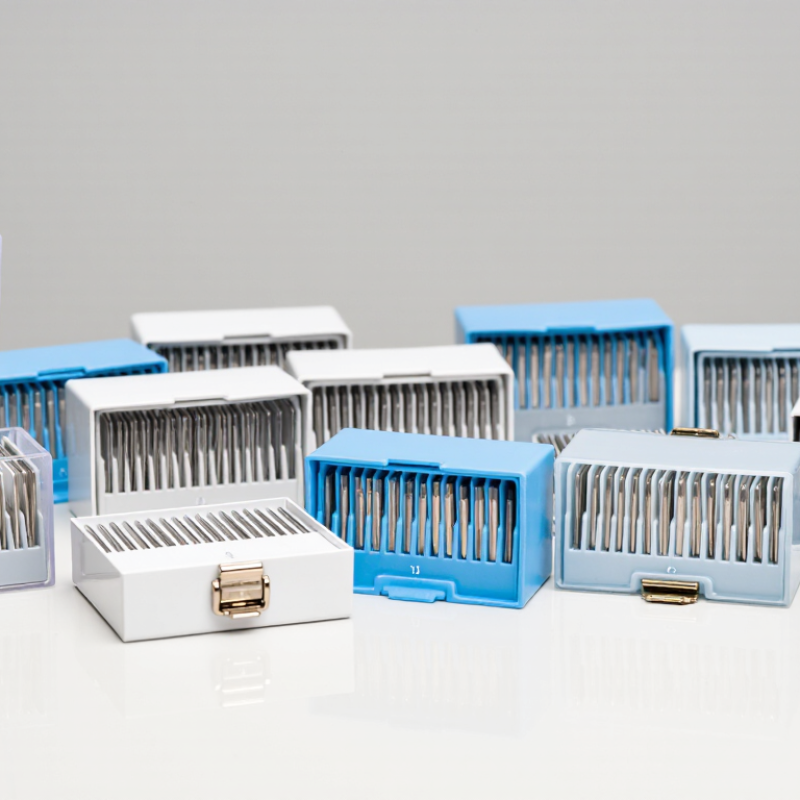
Microscope slide boxes protect glass slides during storage, transport, and routine laboratory handling. Each slot keeps a slide separated from its neighbors, reducing scratches, chipped edges, and mix-ups. A numbered index on the lid can make retrieval easier, especially when many samples look alike. Small details matter. A box that closes securely but opens smoothly is more useful than one that simply feels sturdy.
Common materials include polypropylene, polystyrene, and coated cardboard. Plastic boxes tolerate repeated handling and are easy to wipe clean, though their resistance to chemicals and heat depends on the grade. Cardboard options are lightweight and practical for dry storage, but moisture can weaken them. Always check material compatibility with the laboratory’s cleaning process. It is an easy detail to overlook.
Core design choices include capacity, slot spacing, lid fit, labeling area, and whether the box holds slides vertically or horizontally. A snug slot limits movement, but overly tight spacing may make slides awkward to remove with gloves. Clear lids help users inspect contents without opening the box; opaque lids can reduce light exposure. No design suits every workflow. Even a well-made box cannot prevent breakage if slides are packed carelessly, so fit and handling deserve equal attention.

Comparison of representative microscope slide box configurations, materials, and design features. Entries describe product types rather than specific manufacturers or brands.
| No. | Box Configuration | Typical Capacity | Common Materials | Core Design Features | Typical Purpose | Selection Considerations |
|---|---|---|---|---|---|---|
| 1 | Compact transport box | 1–5 slides | Polypropylene or ABS plastic | Individual grooves, snap-fit lid, compact exterior | Carrying a small number of prepared or reference slides | Check that grooves hold standard slides securely and that the lid closes firmly. |
| 2 | Small storage box | 25 slides | ABS plastic, polypropylene, or coated cardboard | Numbered slots, hinged lid, label area | Routine storage and organization of small slide sets | Plastic versions are generally more suitable for repeated handling; cardboard versions are lightweight. |
| 3 | General-purpose laboratory box | 50 slides | ABS plastic or polypropylene | Molded slot insert, numbered positions, secure closure | Everyday laboratory storage and sample retrieval | Confirm compatibility with the slide dimensions and thickness used in the laboratory. |
| 4 | High-capacity storage box | 100 slides | ABS plastic or polypropylene | Numbered grid, hinged cover, exterior identification area | Archiving and organizing larger collections | Consider box footprint, slot numbering, and whether the contents need a paper index. |
| 5 | Moisture-resistant storage box | 25–100 slides | Polypropylene or ABS plastic; optional gasket material | Close-fitting lid, enclosed slot layout, optional perimeter seal | Storage where reduced exposure to dust or ambient moisture is desirable | A close-fitting lid is not necessarily airtight; verify sealing performance if environmental control is required. |
| 6 | Freezer-storage box | 25–100 slides | Temperature-suitable polypropylene or ABS plastic | Rigid body, numbered slots, lid designed for cold-storage handling | Organizing slides kept in suitable refrigerated or frozen storage conditions | Check the product’s stated temperature range and confirm that the closure remains usable at the intended temperature. |
| 7 | Wooden archival-style box | 25–100 slides | Wood body with a fitted internal support or liner | Rigid construction, divided compartments, fitted cover | Long-term collection organization or reference storage | Consider storage humidity, interior materials, and whether the box provides adequate protection from dust. |
| 8 | Cardboard slide box | 25–100 slides | Rigid paperboard or coated cardboard | Folded or fitted lid, internal dividers, printed or writable index area | Lightweight storage and short-term organization | Paperboard may be less resistant to moisture and repeated handling than molded plastic. |
| 9 | Metal-cased protective box | 25–100 slides | Metal outer case with a fitted internal rack or liner | Rigid outer shell, organized slots, protective closure | Additional physical protection during storage or transport | Check the interior support material and ensure slides cannot shift inside the case. |
| 10 | Slide box with removable rack | 50–100 slides | ABS plastic or polypropylene body and rack | Removable numbered rack, fitted lid, reusable compartment layout | Sorting, transferring, and retrieving slides in organized batches | Ensure the rack fits securely in the box and that slot numbering is clear and durable. |
General fit note: Many standard microscope slides measure approximately 25 × 75 mm. Always verify the box’s stated slide dimensions, slot capacity, material, and storage conditions before purchase.
Microscope slide boxes are compatible only when their usable cavities match the slides, not merely their labels. The common 75 × 25 mm format describes a footprint, not the full packaging specification. ISO 8037-1:1986 provides dimensional guidance for microscope slides; buyers should confirm the applicable requirements and tolerances with suppliers. A cavity that is too tight can catch chipped edges. Too much clearance lets slides shift.
Check internal length, width, slot spacing, and lid clearance against actual slides. Frosted labeling areas, uneven edges, and thickness differences can affect how each slide sits. For a basic fit check, load several slides, close the lid, and tilt it gently. No rattle is useful, but it does not replace a transit test. Simple, yet often skipped.
A “25-place” capacity claim describes positions, not necessarily compatibility with thicker slides or raised coverslips. Ask for internal cavity dimensions and test the thickest slide you plan to store. Record the sample lot and fit observations; one trial can mislead. ISO addresses slide dimensions, while box manufacturers must verify their own tolerances. That distinction matters when comparing manufacturers in China.
A standard 75 × 25 mm slide has a footprint of 18.75 cm². The chart compares this with other commercially used formats; area is calculated from the listed dimensions. Box compatibility depends on the slide’s actual length, width, and thickness, so confirm the internal slot dimensions with the supplier before ordering. Formats can vary by manufacturer.
When comparing microscope slide box manufacturers in China, check usable capacity rather than relying on the advertised slot count. A box may hold 100 slides on paper, yet tight dividers can make loading awkward with gloved hands. Ask for internal dimensions, slot width, and supported slide thickness. Test a sample using both clean slides and labeled specimens. Fit matters.
Inspect how the lid closes and whether the hinge stays aligned after repeated opening. Slides should sit securely without rocking, but they should not need force to remove. Dividers should separate adjacent edges and reduce contact during routine handling. Small details matter. A label may still be readable when the box is stacked, though not always; check this before ordering a large quantity.
Specimen protection depends on more than a firm latch. Look for a close-fitting lid, stable inserts, and materials that resist cracking during ordinary transport. If moisture control is important, ask what the box can realistically provide; a standard storage box is not automatically airtight. Request samples from the intended production process, then inspect fit, closure, and visible damage after packing and shipping. One test batch cannot reveal every weakness, but it can expose problems before they reach the lab.
A comparison of the top 10 microscope slide box manufacturers in China should begin with fit, protection, and repeatable production—not sales claims. Many standard boxes hold 25 × 75 mm slides, but slot width and divider shape still matter. Request a sample and check whether loaded slides sit firmly without scraping.
Reliable manufacturers can specify the box material, capacity, hinge design, and label area. They should explain how they inspect molding defects, lid closure, and slot consistency across batches. Clear numbering and a secure lid make slide retrieval easier. Small details count. Request dimensions, packing information, and inspection records before comparing quotations. A low price alone tells little.
A useful top-ten shortlist should also consider communication, lead time, customization limits, and how suppliers handle problems after delivery. Compare identical specifications rather than ranking manufacturers by website language. No ranking is perfect. Public information rarely reveals long-term breakage rates, so trial orders and user feedback can fill gaps. Keep samples and note any differences between promised and delivered quality.
When comparing 25-, 50-, and 100-slide boxes, look beyond the number printed on the lid. A 25-slide box is compact and easy to carry between a bench and a microscope station. It can suit teaching sessions, small collections, or short-term sample handling. Check that each slot fits your slide dimensions without forcing the glass. Small details matter.
A 50-slide format offers a middle ground for routine laboratory storage. It holds more slides without becoming as bulky as a full 100-slide box. Buyers should inspect the dividers, lid fit, and labeling area on a sample unit. A loose lid or narrow slot can become irritating during daily use. That matters.
A 100-slide box can reduce the number of containers needed for larger collections, but its loaded weight and footprint deserve attention. A full box may be awkward to move or retrieve from crowded shelving. Before ordering from a Chinese manufacturer, request samples in the formats you expect to use. Test the hinges, closures, and slide removal with gloved hands, then compare packed dimensions and material consistency. Capacity alone can mislead; a 100-slot box may look efficient on a spreadsheet but feel clumsy on the bench. The best choice depends on handling habits, storage space, and how often slides are accessed.