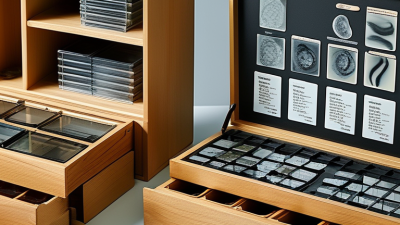
China Best Microscope Slide Storage Solutions?

China Best Microscope Slide Storage Solutions? The answer begins with traceability, not with the cheapest cabinet.

Microscope slide storage supports diagnosis, research, teaching, and long-term records. A misplaced slide can delay review. A poorly sealed box can invite dust, moisture, or label damage. Small failures become expensive later. Very expensive.

The 2024 Grand View Research Laboratory Information Management System Market report identifies sample tracking and data integrity as important growth drivers. These priorities apply directly to pathology slide archives. MarketsandMarkets’ 2024 laboratory automation analysis also highlights workflow visibility, standardized handling, and error reduction. Neither report focuses only on glass slides. That limitation matters.

K. S. Suvarna, a recognized histotechnology author and editor of Bancroft’s Theory and Practice of Histological Techniques, offers a useful principle: “Every stage of histotechnology demands attention to detail.” For storage, that means matching boxes, cabinets, labels, and retrieval procedures. It also means recording access history and environmental conditions.

China’s strongest solutions should combine durable polypropylene or archival-grade materials with clear indexing. They should resist dust and humidity. They should support barcodes or QR codes. They should fit actual laboratory workflows, not merely appear organized in a product photograph.

Buyers should compare capacity, slide orientation, closure quality, cabinet load limits, and replacement availability. Digital tracking is valuable, but it cannot repair a damaged label. That is an uncomfortable point.

There is no universal best system. A small clinic may need compact indexed boxes. A teaching hospital may need modular cabinets and searchable records. The right choice balances protection, retrieval speed, compliance, and total ownership cost. Evidence should lead the decision. Claims should not.
China Best Microscope Slide Storage Solutions?

Types of Microscope Slide Storage Solutions Available in China

China Best Microscope Slide Storage Solutions?

Types of Microscope Slide Storage Solutions Available in China

Chinese laboratories commonly use cardboard slide boxes for short-term teaching and routine sample storage. They are light, affordable, and easy to label. Plastic slide cases offer better moisture resistance and stronger protection during transport. Many hold 25, 50, or 100 slides, with individual slots that reduce scratching.

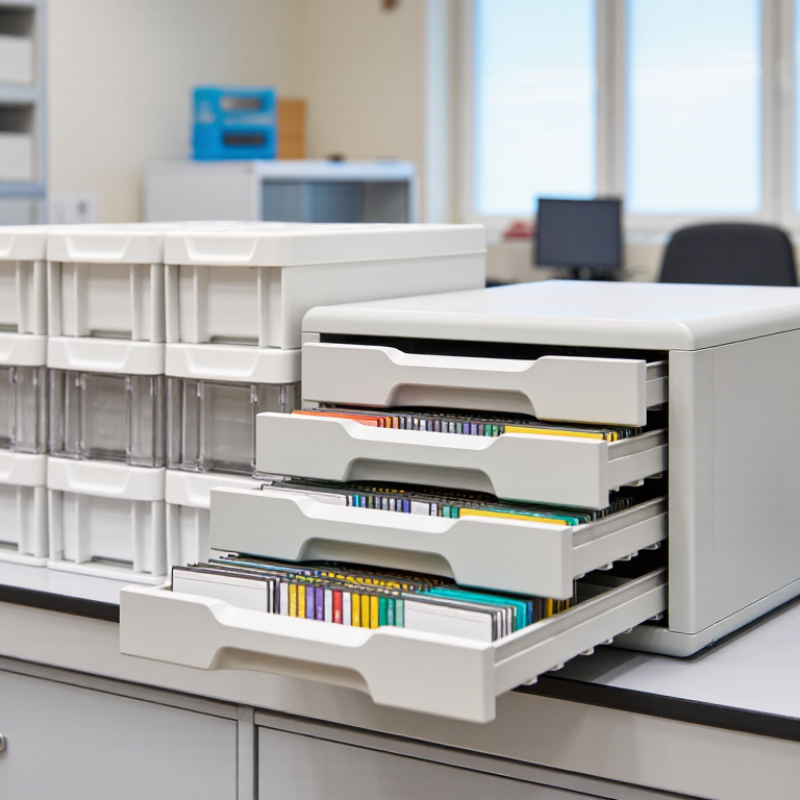
For larger hospitals and research facilities, metal cabinets and drawer-style archive units provide higher capacity. Vertical racks save bench space and support faster sample retrieval. Some storage systems include barcode labels, removable trays, and lockable doors. In humid regions, sealed containers with desiccant can help protect stained sections and paper labels. However, a sealed box is not a complete climate-control solution. Temperature and humidity still require monitoring.

Tips: Match storage capacity with daily workload. Leave enough room for future samples. Check slot dimensions before ordering, because slide thickness can vary slightly. Use acid-free labels and record storage dates clearly. Test one cabinet first. I have found that the most expensive design is not always the easiest to maintain. A practical system should allow cleaning, inspection, and quick replacement of damaged parts. Regular audits can reveal forgotten slides, unclear labels, and overcrowded drawers before they become serious problems.
Key Materials and Design Features for Slide Storage

China Best Microscope Slide Storage Solutions?

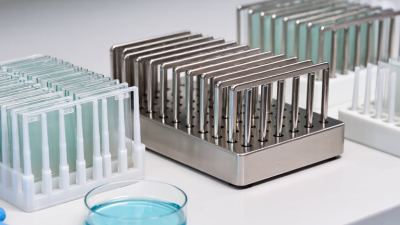
Reliable slide storage begins with the right materials. Acid-free cardboard helps reduce long-term chemical exposure and paper dust. Polypropylene offers moisture resistance and a smooth surface for frequent handling. Rigid plastic bodies can protect slides from bending, but brittle plastic may crack in cold rooms. Material choice should match storage temperature, cleaning routines, and expected use.

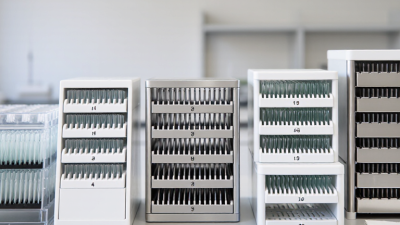
Design details matter every day. Deep, evenly spaced slots keep glass slides upright and separated. A soft inner lining can reduce edge chips during transport. Tight-fitting lids help block dust, while small ventilation features may limit trapped humidity. Clear labeling areas should remain visible when boxes are stacked. Some laboratories prefer numbered compartments because they support faster retrieval and more reliable records. Simple features often work best.

In routine handling, I have found that oversized slots waste space and allow movement. Narrow slots can damage labels or make removal awkward. A balanced fit is essential. I once underestimated the value of rounded box edges; sharp corners caught on gloves and slowed work. That design deserved more attention. Storage systems also need inspection schedules, because worn dividers and loose lids can quietly create errors. Good protection is practical, not merely attractive.

China Best Microscope Slide Storage Solutions: Typical Capacity by Material and Design

Plastic slide boxes generally provide a balance of moisture resistance, impact protection, and moderate capacity. Cardboard mailers are lightweight and economical for short-term transport, while metal cabinets and drawer systems are better suited to high-volume, long-term archival storage.

How to Choose the Right Storage System for Your Laboratory

Choosing a microscope slide storage system starts with workflow, not cabinet appearance. The World Health Organization reports that laboratory results influence about 70% of clinical decisions. Therefore, misplaced or damaged slides can affect more than daily efficiency. Select storage that supports clear labeling, fast retrieval, and long-term protection. ISO 15189:2022 also emphasizes traceability, controlled processes, and documented records in medical laboratories.

Measure your real slide volume, then add growth capacity. A practical system should separate archived, active, and teaching slides. Drawers with shallow compartments reduce stacking pressure and make labels visible. Vertical storage saves floor space, but horizontal systems may offer easier visual inspection. Consider dust seals, stable materials, humidity control, and resistance to routine cleaning agents. The CDC and NIH Biosafety in Microbiological and Biomedical Laboratories guidance stresses secure handling, limited access, and reliable inventory practices. A lock alone is not enough.

Tips: Test one cabinet with actual users before purchasing. Time slide retrieval. Check whether gloved hands can open drawers safely. Use barcode or coded labels when volume increases. Keep a simple location map near the storage area. I have seen laboratories buy oversized cabinets, then lose efficiency because drawers become mixed. That mistake is easy to repeat. Review the system quarterly, especially after staffing or testing changes. Protect records with backups, too. A perfect cabinet cannot correct weak documentation.

Comparison of Chinese Slide Storage Suppliers and Product Standards

China’s microscope slide storage market includes injection-molded boxes, steel cabinets, and automated archive systems. A 2024 Grand View Research report estimated the global digital pathology market at over USD 1 billion in 2023, reflecting stronger demand for traceable physical specimens. Storage suppliers now compete beyond price. They must protect slides from dust, humidity, impact, and misidentification.

Chinese suppliers can be compared through four practical criteria: material stability, capacity, labeling design, and quality records. Polypropylene boxes suit routine laboratories because they are light and moisture-resistant. Steel cabinets provide better fire resistance, but they require stronger shelves and careful corrosion control. A useful box often holds 25 or 100 slides, with dividers that prevent glass edges from touching. Tiny details matter. Rounded corners reduce handling injuries. Clear index fields speed retrieval.

ISO 15189:2022 emphasizes controlled storage conditions and documented specimen traceability, while ISO 20387:2018 stresses identity, integrity, and data tracking in biobanking. Suppliers offering barcode compatibility, batch inspection reports, and sample retention records deserve closer review. Chinese manufacturers with ISO 9001 systems may provide consistent production, yet certification alone does not prove field performance. Request humidity tests, load tests, and samples from different production batches. Some catalogs claim “dustproof” without publishing test methods. That needs questioning. A cabinet can look precise and still waste laboratory time when labels peel, drawers bind, or capacity figures exclude protective sleeves.

China Best Microscope Slide Storage Solutions? - Comparison of Chinese Slide Storage Suppliers and Product Standards
Supplier Solution Type Typical Storage Capacity Common Slide Compatibility Main Construction Material Protection Features Typical Product Dimensions Relevant Standards or Verification Points Best-Fit Application
Injection-Molded Plastic Slide Boxes 25, 50, or 100 slides per box Standard slides approximately 25 × 75 mm or 26 × 76 mm; many models include a nominal 1 mm separation slot Polypropylene (PP) or acrylonitrile butadiene styrene (ABS) Individual slots, hinged lid, label area, stackable exterior, and moderate resistance to moisture and laboratory chemicals Approximately 95–115 mm long × 80–100 mm wide × 30–45 mm high for a 50-slide box Dimensional inspection against the selected slide size; lid-cycle testing; slot fit testing; material identification; ISO 8037-1 compatibility where applicable Routine pathology, teaching laboratories, research laboratories, and general sample archiving
Paperboard Slide Filing Boxes 50 or 100 slides per box Standard 25 × 75 mm slides; suitable for individually wrapped or labeled slides Rigid paperboard with a paper or polymer-coated surface; internal dividers may be paperboard or plastic Low-cost separation, printed indexing fields, lightweight design, and easy disposal; limited moisture resistance unless coated Approximately 210–260 mm long × 85–105 mm wide × 30–50 mm high for a 100-slide format Board thickness, compression strength, print durability, dimensional fit, and resistance to expected storage humidity should be verified Short- to medium-term filing, education, screening workflows, and high-volume low-cost storage
Plastic Slide Trays with Removable Compartments 100–200 slides per tray or modular stack 25 × 75 mm and 26 × 76 mm slides, depending on compartment width and divider design Polypropylene, high-impact polystyrene, or ABS Removable dividers, batch identification, stackability, improved handling efficiency, and optional dust cover Typical tray footprint approximately 300–360 mm long × 220–260 mm wide; height varies by capacity Uniform compartment spacing, tray flatness, load-bearing performance, cover fit, and compatibility with laboratory shelving High-throughput laboratories, teaching collections, and organized batch processing
Metal Slide Cabinets and Drawer Units Approximately 500–5,000 slides, depending on drawer count Usually designed for standard 25 × 75 mm or 26 × 76 mm slides stored in labeled drawers Powder-coated steel, stainless steel, or aluminum with polymer drawer liners High mechanical strength, restricted access, dust protection, drawer indexing, and long service life Bench units commonly range from 300–600 mm wide and 250–500 mm deep; height depends on drawer count Load capacity, coating adhesion, corrosion resistance, drawer alignment, edge safety, and cabinet stability should be checked Permanent archives, hospital laboratories, quality-control departments, and centralized slide libraries
Sealed Plastic Archival Containers 50–200 slides, generally in removable racks or sleeves Standard glass slides; suitability for oversized labels or mounted specimens depends on internal clearance Polypropylene or chemically resistant high-density polyethylene with silicone or elastomeric gasket options Improved dust control, splash resistance, tighter closure, and better protection during transport Common external sizes range from approximately 120 × 100 × 45 mm to 300 × 220 × 80 mm Closure integrity, gasket compression, chemical compatibility, temperature stability, and internal condensation risk should be evaluated Transport, controlled storage, field sampling, and archives requiring additional environmental protection
Custom OEM Storage Systems Defined by project requirements; commonly 50–1,000 slides per unit Standard or customized slides, including barcode labels, oversized writing areas, and special mounting formats PP, ABS, PC, aluminum, stainless steel, or combinations of these materials Custom partitions, barcodes, RFID integration, color coding, tamper-evident features, and automated handling compatibility Designed to match the required slide dimensions, rack footprint, laboratory automation system, or storage cabinet Approved drawings, first-article inspection, dimensional tolerances, material certificates, barcode readability, and batch traceability Large hospital networks, biobanks, automated laboratories, and regulated sample-management programs
Recommended Purchasing Benchmark Select capacity based on turnover and archive duration Confirm the exact slide dimensions before ordering Prefer chemically compatible, low-odor, dimensionally stable materials Require secure closure, clear labeling, and adequate dust protection Verify box footprint against shelves, cabinets, and transport containers Request drawings, inspection criteria, sample approval, and batch consistency records Balance protection, storage density, labeling efficiency, cleaning needs, and total cost of ownership
Key Product Standard Considerations Microscope slide storage products should be evaluated against the dimensions and optical-use requirements of the slides they hold. ISO 8037-1 is commonly referenced for microscope slide dimensions and related requirements, while procurement inspections should also cover compartment dimensions, lid or drawer function, material compatibility, labeling durability, cleanliness, packaging integrity, and lot-to-lot consistency. Storage boxes themselves may not be covered by one universal international standard, so supplier specifications and acceptance criteria should be documented before mass production.

Best Practices for Organizing and Preserving Microscope Slides

China Best Microscope Slide Storage Solutions?

Best Practices for Organizing and Preserving Microscope Slides

Reliable slide storage begins with environmental control, not attractive cabinets. WHO laboratory quality-management guidance cites published estimates that 60–70% of laboratory errors begin before analysis. Poor labeling, condensation, and misplaced slides can therefore damage both specimens and clinical decisions. Store slides vertically in rigid, dust-resistant boxes, with dividers that prevent glass contact. Keep cabinets away from sinks, windows, and direct air-conditioning.

Control the room carefully. Aim for stable temperatures around 18–25°C and moderate relative humidity near 30–50%. China’s regional climate makes this important, especially in coastal provinces during summer.

A digital hygrometer should record daily readings. Add desiccant only when it cannot touch the slides. Too much dryness may weaken labels and mounting media.

Use a consistent identification system. Record specimen number, staining method, date, and storage location on every slide. A 2022 ISO 15189 quality framework emphasizes traceability throughout laboratory workflows. Barcode tracking can reduce manual searches, although it is not automatically better. Test scanners under dim lighting and inspect labels after repeated handling.

Review storage records monthly. Misfiled slides still happen, and pretending otherwise is poor quality practice. Keep retention schedules documented, separating teaching materials from diagnostic specimens. Schedule quarterly inspections for cracked glass, faded ink, fungal growth, and loose coverslips. Short checklists work best.