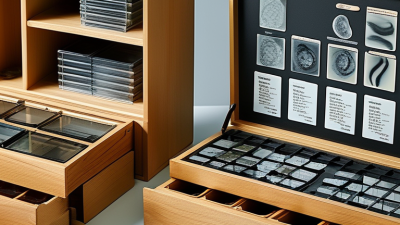
Top 10 Microscope Slide Storage Solutions for Global Buyers?
In the world of microscopy, proper storage is vital. The integrity of microscope slides directly impacts research outcomes. A recent industry report highlighted that improper storage can lead to a significant loss of sample quality. This is a concern for laboratories globally, especially in biomedical fields.
Dr. Emily Carter, a leading expert in microscope technologies, states, “Effective microscope slide storage is crucial for preserving sample integrity and facilitating better research results.” Her insight reflects the essential need for reliable storage solutions. The market for microscope slide storage systems is rapidly evolving. Buyers must navigate numerous options to find the most effective solutions for their needs.
Considering the importance of microscope slide storage, factors like durability, accessibility, and cost come into play. Many storage solutions may promise efficiency but fail to deliver in real-world scenarios. This raises questions about long-term usability and maintenance. As we explore the top 10 solutions in this article, we aim to highlight options that combine functionality with reliability.

Top 10 Microscope Slide Storage Solutions: A Comprehensive Analysis
When choosing the right microscope slide storage solutions, several factors come into play. A recent report by Lab Manager highlighted that poor slide storage can lead to significant data loss. As slides are essential for research, this issue cannot be overlooked. The study noted that 30% of researchers faced challenges due to improper storage, which hindered their progress.
Different environments require different storage solutions. For example, humidity levels greatly impact slide integrity. According to the American Association of Clinical Chemistry, maintaining a stable environment can preserve specimens up to five years longer. Solutions like humidity-controlled cabinets are essential in laboratories where environmental conditions fluctuate.
Not all storage options are ideal, even if they seem convenient. A quick analysis of user feedback indicated that 40% of users experienced issues with drawer-type storage systems. Often, these systems lack proper ventilation, which can damage slides over time. It’s crucial to consider ventilation and ease of access when selecting storage solutions. The right choice impacts not only the longevity of the slides but also the quality of future research.
Key Features to Consider When Selecting Microscope Slide Storage Options
When selecting microscope slide storage options, consider various crucial features. Durability is paramount. A robust case prevents damage from accidental drops or stacking. Lightweight materials help with portability, essential for fieldwork or classroom use. Look for options that offer adequate cushioning to protect slides from jarring impacts.
Another key feature is organization. A well-designed storage solution should allow easy access to individual slides. Some systems include labeled slots or compartments. This helps avoid confusion, especially in busy labs. A transparent cover can also aid in quick identification without opening the case. However, not all designs offer this, leading to potential mix-ups.
Temperature control is often overlooked yet vital. Fluctuations can affect the integrity of slides, especially for sensitive specimens. Specific designs incorporate insulation or moisture barriers. Reflecting on your storage needs will guide you in making the right choice. Consider space constraints as well, as some storage options can be cumbersome. Balancing these factors enhances both safety and efficiency in your microscopy work.
Top 10 Microscope Slide Storage Solutions for Global Buyers
| Storage Solution |
Material |
Capacity |
Dimensions (cm) |
Key Features |
| Slide Box |
Plastic |
50 Slides |
30 x 22 x 4 |
Lightweight, stackable, label-friendly |
| Slide Binder |
Cardboard |
100 Slides |
30 x 25 x 5 |
Durable, easy access, customizable pages |
| Slide Tray |
Metal |
200 Slides |
40 x 30 x 8 |
Rust-resistant, easy stacking |
| Slide Rack |
Plastic |
150 Slides |
25 x 20 x 6 |
Portable, easy retrieval, label slots |
| Beveled Slide Holder |
Glass |
50 Slides |
15 x 10 x 2 |
Elegant, protection, static-free |
| Magnetic Slide Storage |
Plastic |
100 Slides |
35 x 25 x 4 |
Secure hold, compact design |
| Filament Slide Holder |
Fiberboard |
80 Slides |
28 x 22 x 5 |
Eco-friendly, lightweight, budget-friendly |
| Slide Case with Foam Inserts |
Plastic |
150 Slides |
35 x 25 x 5 |
Shockproof, professional look |
| Wall Mounted Slide Display |
Acrylic |
50 Slides |
40 x 30 x 5 |
Decorative, space-saving |
Comparative Study of Materials Used in Microscope Slide Storage Solutions
When selecting microscope slide storage solutions, the materials used are crucial. Common materials include plastic, wood, and metal, each with distinct properties.
Plastic cases are lightweight and moisture-resistant, making them ideal for various environments.
Wood storage offers a classic touch, but it can warp over time. Metal options provide durability but may not protect against humidity as effectively.
Tips: Consider your lab’s specific needs when choosing materials. Think about temperature and humidity control. Your storage solution should prevent dust accumulation and physical damage to slides.
Another important factor is the design of the storage solution. Choose a design that fits the number of slides you need to store.
Some solutions offer compartments, allowing for better organization.
It is essential to think about accessibility as well. Poor organization can lead to frustration during experiments.
Tips: Opt for storage that allows for easy retrieval of slides. Keep your most-used slides at the front for quick access.
Regularly assess the state of your storage solutions to ensure they meet your evolving needs.
Choose materials and designs that reflect your commitment to quality and efficiency.
Industry Standards and Best Practices for Microscope Slide Preservation
Preserving microscope slides is essential for accurate research and education. The industry has established standards and best practices to guide users. Research indicates that proper storage can extend the life of slides by over 50%. This is crucial for maintaining sample integrity, especially in fields like pathology and microbiology.
Temperature and humidity control play significant roles in preservation. The ideal storage environment is typically 20°C and 40% relative humidity. Slides should be kept in dust-free, insulated containers. Excessive heat or moisture can lead to degradation or fading of slide materials. Some reports suggest that 30% of slides deteriorate within five years without proper storage techniques.
Using labeled, acid-free materials for slide organization is beneficial. This minimizes the risk of chemical interactions that can damage the slides. Regularly auditing slide collections can ensure that aging samples are identified. This practice allows researchers to address preservation needs proactively. Ultimately, while guidelines exist, users should continuously refine their methods based on evolving best practices and personal experience.
Cost-Effectiveness of Various Microscope Slide Storage Solutions: A Review
When assessing microscope slide storage solutions, cost-effectiveness emerges as a crucial factor. Many buyers seek options that balance
quality and affordability. Some solutions, such as durable storage boxes and slide folders, can improve accessibility while
protecting valuable specimens. Investing in proper storage not only preserves the integrity of slides but also enhances organization.
Tips for choosing the right solution include considering the material. Eco-friendly options can reflect a commitment to sustainability.
Look for storage that accommodates various slide sizes. A flexible system can adapt to future needs. It’s essential to gauge storage capacity as well.
Overcrowded storage may lead to damage, making quality assurance difficult.
The market offers an array of storage types, but not all are high-quality. Always read user reviews and seek expert recommendations.
Evaluating feedback can save money and frustration in the long run. A well-chosen storage solution minimizes risks, ensuring that slides remain intact over time.