China Top BD Vacutainer Tubes Suppliers for Global Buyers
China has become a significant sourcing base for blood collection consumables, including bd vacutainer tubes. Global buyers now compare more than price. They examine traceability, additive stability, sterility, packaging, and delivery performance.
Grand View Research estimated the global blood collection devices market at approximately USD 6.6 billion in 2023. Its report also projects steady growth through 2030, supported by expanding diagnostic testing and hospital demand. MarketsandMarkets reported a different market estimate, reflecting varied category definitions. That difference deserves attention. Market figures are useful, but they should not replace supplier verification.
Specimen quality remains central to purchasing decisions. Dennis J. Ernst, MT(ASCP), NCPT, a recognized phlebotomy educator, stated, “The quality of a laboratory test result is no better than the quality of the specimen.” His observation explains why tube materials, vacuum accuracy, clot activator performance, and labeling deserve close review. Small defects matter. A loose cap, unclear lot code, or damaged carton can disrupt an entire workflow.
This guide evaluates China-based suppliers of bd vacutainer tubes for global buyers. It considers manufacturing experience, quality systems, product documentation, export capability, and responsiveness after delivery. Buyers should confirm whether products are genuine BD items, authorized distribution stock, or compatible alternatives. The distinction is essential. ISO 6710 alignment, applicable regulatory documentation, batch records, and transport controls should be checked before approval. No supplier is perfect. A strong supplier, however, explains weaknesses clearly and supports corrective action with evidence.
Define BD Vacutainer® Tube Categories by Additive, Color, and Use
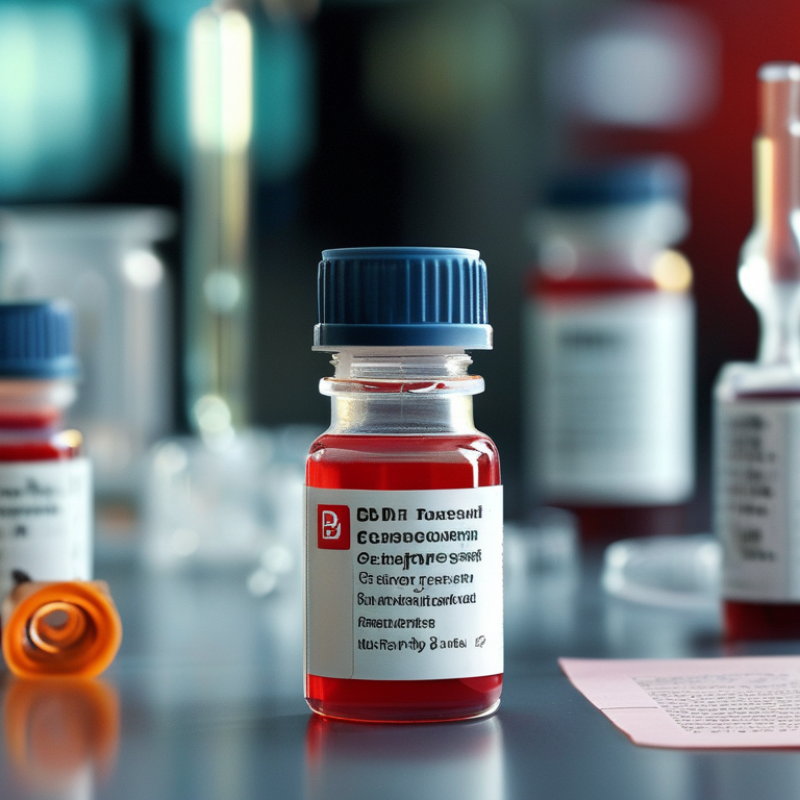
For global buyers, vacuum blood collection tubes should be defined by additive, cap color, and intended test. Color is only a visual guide. The additive confirms the tube’s function.
Light blue tubes usually contain sodium citrate for coagulation testing. Purple or lavender tubes commonly use EDTA for hematology measurements. Green tubes often contain heparin and support many plasma chemistry tests.
Gray tubes may contain fluoride and oxalate for glucose-related testing. Red tubes contain no anticoagulant, while serum separator tubes use a gel barrier and clot activator. The exact formula can vary.
Yellow tubes require closer checking. Some contain a preservative for microbiology, while others support specialized specimen handling. Black tubes are often selected for erythrocyte sedimentation testing. Buyers should verify the printed label, additive concentration, tube material, fill volume, and expiration date. A correct color with the wrong additive can compromise results.
Experience with hospital procurement shows that specimen quality depends on more than the tube itself. The draw sequence, gentle inversion, storage temperature, and transport time also matter. Underfilling citrate tubes is a common concern because it changes the blood-to-additive ratio. I may sound cautious, but color standards are not perfectly universal. Suppliers should provide technical sheets, batch records, sterilization details, and validation documents before approval. Clear communication prevents expensive retesting.
Shortlist China Suppliers Through NMPA, ISO 13485, and BD Authorization
Global buyers should shortlist Chinese suppliers through verifiable compliance, not attractive catalogs alone. NMPA registration shows that the supplier understands China’s medical device requirements. Ask for the registration details, product classification, and matching model information. Check whether the certificate covers the exact tube type, material, additive, and packaging size.
ISO 13485 certification is also important. Review the certificate scope, issuing body, validity period, and manufacturing address. A factory visit or live video inspection can reveal practical details. Look at cleanroom control, lot tracking, storage temperature, and seal inspection. Request recent batch records and sample labels. Small mismatches matter.
Authorization evidence needs careful review. Ask for a current authorization letter from the original brand owner or an approved supply channel. It should identify the supplier, product range, territory, and effective dates. Do not accept a blurred scan without independent verification. Some suppliers provide impressive files but cannot explain their source. That is a warning sign. A checklist helps, but it is not perfect. Compare documents with physical samples, invoices, and shipping records. Confirm tube dimensions, vacuum performance, additive uniformity, and package integrity before placing a large order. Even experienced buyers can overlook regional restrictions or expired certificates. A slower review often prevents costly surprises.
Verify Coagulation Tubes: 3.2% Citrate and a 1:9 Blood-to-Additive Ratio
China Top BD Vacutainer Tubes Suppliers for Global Buyers
For global buyers, coagulation tubes require more than attractive pricing. The critical specification is 3.2% buffered sodium citrate, usually equivalent to 0.109 mol/L. CLSI GP41 recommends a blood-to-additive ratio of 9:1 for routine coagulation testing. That ratio means 2.7 mL of blood belongs in a 0.3 mL citrate tube. Small deviations can matter.
Check the fill line carefully. Underfilling increases citrate concentration and may prolong clotting results. Overfilling can reduce anticoagulant protection. ISO 6710 also emphasizes consistent, leak-resistant, single-use specimen containers. Buyers should request dimensional drawings, additive concentration records, sterility documentation, and batch-specific certificates. Do not rely on labels alone.
Physical inspection remains useful. Hold a tube against a light source. The liquid should appear uniform, without particles, sediment, or unusual color. Review mixing instructions, because gentle inversion is required after collection. CLSI guidance commonly recommends three to four inversions for citrate tubes, avoiding vigorous shaking. One assumption deserves challenge: a complete fill line does not prove accurate chemistry. Lot testing, transport simulation, and independent verification are still needed. Supplier audits can reveal weak carton protection, inconsistent vacuum, or poorly controlled storage conditions. These details are easy to overlook.
Coagulation Tube Verification: 3.2% Citrate and 1:9 Blood-to-Additive Ratio
Sodium citrate coagulation tubes are designed to contain a 3.2% citrate solution and maintain a 9:1 ratio of whole blood to liquid additive when filled to the stated volume. The values below show calculated blood and citrate volumes for representative nominal additive fills; actual tube specifications may vary by product and intended use.
Audit Export Readiness with ISO 6710, CLSI GP41, and Lot Traceability
China’s top BD vacutainer tube suppliers should be assessed through evidence, not attractive catalogs. Global buyers need documented alignment with ISO 6710 and CLSI GP41 requirements. These references help evaluate tube design, additives, labeling, specimen handling, and collection performance.
Request the latest quality certificates, technical files, and production validation records. Check whether tube dimensions, fill volume, additives, and closure materials match approved specifications. Inspect sample cartons for lot numbers, expiration dates, storage conditions, and readable labels. Small details matter. A missing lot code can weaken an otherwise strong audit trail.
Lot traceability should connect raw materials, machine settings, operators, inspections, and released batches. Ask suppliers to demonstrate this connection using one recent lot. Review release records, nonconformance reports, corrective actions, and retained samples. Export readiness also includes stable packaging and transport documentation for the destination market. Do not accept “global experience” without shipment records or controlled procedures. That claim needs proof. An audit may reveal gaps, such as inconsistent label formats or incomplete change-control files. These weaknesses are not always alarming, but they require correction before qualification. I would also repeat critical checks after a supplier changes resin, additive source, or packaging design. A previously acceptable result can become outdated.
Rank Final Suppliers by MOQ, Lead Time, Shelf Life, and Incoterms
China’s leading evacuated blood collection tube suppliers should be ranked by purchasing risk, not price alone.
Supplier A ranks first for balanced export performance:
MOQ around 10,000 tubes, 20–25 day lead time, and
24-month shelf life. It commonly offers FOB and CIF terms.
Supplier B ranks second, with a lower MOQ near
5,000 tubes, but a longer 30–35 day lead time. Its stated shelf life reaches
18 months.
Supplier C ranks third for buyers testing new markets. Its MOQ can fall below
3,000 tubes, yet production scheduling is less stable. Lead time may extend to
40 days.
Supplier D ranks fourth because it supports small trial orders, but usually quotes
EXW only and provides a 12-month shelf life. That creates higher freight and expiry pressure.
The ranking is practical, not perfect.
WHO reports more than two million medical device types globally, showing why traceability and specification control matter.
ISO 6710 requires blood collection containers to support consistent specimen collection and handling.
Industry market reports published in 2024 also identify hospitals, laboratories, and diagnostic centers as major demand sources.
Buyers should request batch records, sterility evidence, tube material details, and temperature-controlled shipping procedures.
Check the expiry date on the outer carton, not only the supplier quotation.
A 24-month claim can weaken if storage conditions are unclear.
Supplier A remains the strongest general choice, while
Supplier C may suit cautious pilot orders.
Insist on written Incoterms.
Hidden insurance costs are easy to miss.