Top 10 Urine Container Options for Global Buyers?
In the ever-evolving world of medical supplies, the selection of a reliable urine container is crucial. Experts like Dr. Emily Carter, a leading authority in urology, emphasize this point: "The right urine container can significantly impact both accuracy and patient comfort." With a diverse range of options available, global buyers must navigate a complex market.
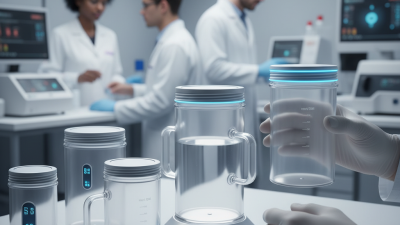
Urine containers come in various materials and designs to suit different needs. Clear plastic, for example, offers visibility for quick assessments. Specialized containers with bold measurement markings ensure precise readings. Yet, many buyers overlook the importance of sterility and usability in their choices.
Despite advancements, not every urine container meets high-quality standards. Some may struggle with leakage or durability in transport. Buyers should remain vigilant and consider product reviews and manufacturer reputability. The right choice will ultimately reflect the user's commitment to patient care and accurate diagnostics.
Top Attributes to Consider When Selecting Urine Containers
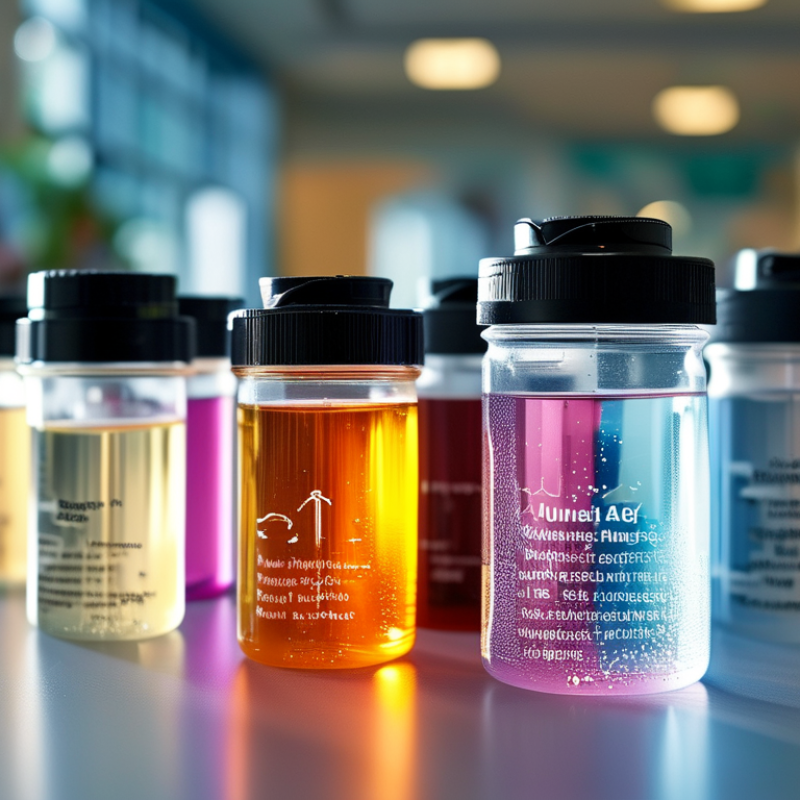
When selecting urine containers, consider several attributes to ensure reliability and functionality. The material is crucial. Quality plastic or glass will prevent any leaks and ensure safe transport. Look for containers that are non-toxic and resistant to chemical reactions. Transparency can also be an essential feature. A clear design allows for easy visualization of the sample, which enhances its usability in various settings.
Capacity is another vital aspect. Containers come in different sizes. Choosing the right volume is important based on the intended use. Smaller containers may be suitable for home tests, while larger ones are better for clinical settings. Additionally, ensure that the container features a secure lid. A tight seal prevents contamination and allows for safe storage.
Consider ergonomic designs too. Containers that are easy to grip minimize spillage risks during collection. If possible, check if the container has measurement markings. This provides added convenience and helps in accurate analysis. While you may find a perfect container, usability and practicality should always come first. Every detail matters, as this affects the overall testing experience.
Top 10 Urine Container Options for Global Buyers
Comparison of Material Types for Urine Containers: Pros and Cons
When choosing urine containers, material type is a crucial factor. Each material offers distinct advantages and drawbacks that affect usability, safety, and cost.
Common materials include plastic, glass, and metal. Data indicates that
plastic is the most popular choice, accounting for around 60% of the market due to its lightweight and flexible nature.
However, plastic may not be as chemically inert as glass.
Glass containers are praised for their chemical stability and recyclability. They are less likely to interact with urine, ensuring accurate results.
However, glass is heavier and more fragile, increasing the risk of breakage. Reports show that glass containers may account for 15% of the market but are favored in labs requiring high precision.
Metal is another option, offering durability and temperature resistance, though it can be prone to corrosion over time.
While low-cost options are often attractive, they may come with hidden trade-offs. Inexpensive plastic containers might leach chemicals, potentially interfering with tests.
Rigorous testing before use is essential. The choice of material should align with intended use and budget constraints. Each material has benefits that might not outweigh its limitations.
Therefore, careful consideration is necessary.
Review of Popular Urine Container Brands for Global Markets
When selecting urine containers for global markets, buyers face numerous choices. A report from the Global Health Organization indicates that the demand for medical-grade urine containers is rising, particularly in developing regions. These containers are essential for accurate urine collection and analysis, ensuring quality data for health assessments.
Several popular brands in the market emphasize user-friendly designs and leak-proof features. Recent surveys reveal that 75% of healthcare professionals prefer containers with ergonomic grips. This highlights the need for practicality alongside reliability. Meanwhile, transparency in materials is crucial for user trust, providing reassurance about safety.
Despite advancements, challenges remain. A study indicated that only 50% of urine containers meet international standards for medical use. This inconsistency raises concerns about quality control across manufacturers. Buyers should prioritize brands that showcase compliance with industry regulations. It's vital to balance cost with quality to safeguard patient care effectively.
Regulatory Standards for Urine Containers Across Different Regions
When selecting urine containers, regulatory standards vary significantly by region. These standards ensure safety, hygiene, and accuracy in urine collection and analysis. For instance, in North America, containers must be made from non-toxic materials and have specific labeling requirements. In Europe, stricter regulations mandate that containers be manufactured in approved facilities. Compliance with these standards is essential to avoid legal issues and ensure quality.
Tips: Always verify that the urine container meets local regulations. Check for certifications that indicate compliance with health and safety standards. This will contribute to reliable testing results.
In Asia, the regulations might differ based on country. While some nations follow ISO standards, others may have unique requirements. Understanding these variations can be challenging but is crucial for international buyers. Ensuring that your urine container meets the necessary criteria can prevent wasteful recalls and legal disputes.
Tips: Consult local health authorities for the most current regulations. This helps avoid penalties and ensures you are sourcing compliant products. Responsible sourcing is key to building trust with customers.
Sustainability and Eco-Friendly Options in Urine Container Design
When considering urine container options, sustainability plays a crucial role. Many containers are made from eco-friendly materials, such as biodegradable plastics or recycled materials. These containers break down naturally, reducing waste in landfills. Innovation in design allows for containers that are lightweight and easy to transport, minimizing their carbon footprint.
Sourcing locally can also enhance sustainability. Local production reduces transportation emissions, supporting local economies. However, not every option meets environmental standards. Some containers may claim to be eco-friendly but fall short on sturdiness or usability. It’s important to assess these features to ensure effectiveness in various contexts.
Additionally, user feedback highlights the need for improvement. Many users find traditional containers uncomfortable or difficult to handle. This feedback is vital for companies striving to create better designs. Balancing functionality with eco-friendly materials is a challenge that requires ongoing innovation and commitment.