Why Choose the Best Temperature Recording Device for Accuracy?
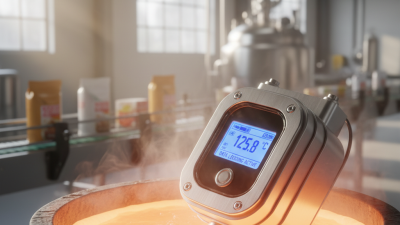
Accurate temperature monitoring is crucial across various industries. In sectors like pharmaceuticals and food safety, the use of a reliable temperature recording device can prevent costly errors. According to a report by Frost & Sullivan, improper temperature control can lead to up to 30% of product losses in these sectors. This highlights the importance of precision in temperature recording.
Many businesses still underestimate the value of advanced temperature recording devices. They often rely on outdated methods or basic tools. However, using sophisticated devices can significantly enhance accuracy. A study published in the Journal of Environmental Monitoring indicates that high-quality temperature recording devices can reduce variance in temperature readings by as much as 25%.
Choosing the right temperature recording device is not just about compliance; it’s about safeguarding assets. Companies must prioritize accuracy in their temperature management systems to avoid losses and ensure product integrity. The capability to monitor temperature in real time adds an extra layer of assurance. As industries evolve, embracing this technology becomes not only beneficial but necessary.
Importance of Accurate Temperature Measurement in Various Industries
Accurate temperature measurement is crucial across various industries.
In pharmaceuticals, even a slight temperature deviation can spoil sensitive products.
Vaccines require strict temperature control. If not maintained, their efficacy diminishes. This leads to potential health risks.
In the food industry,
temperature monitoring ensures safety. Foodborne pathogens thrive at improper temperatures. A
malfunction in recording devices can result in significant health hazards.
Restaurants and food producers rely heavily on precise readings. Mistakes can result in
lost inventory and damage to reputations.
Some sectors, like manufacturing,
need exacting standards for process control. Variations in temperature can affect material quality.
This impact may not be immediately visible. Long-term consequences can undermine product integrity.
Accurate temperature recording devices can help mitigate these risks. They provide reliable data,
giving businesses the confidence they need to operate safely. Consistent monitoring fosters a culture of
quality. Yet, even the best devices can fail. Regular checks and maintenance
are essential for continued accuracy. Investing in quality systems pays off in the long run.
Factors Influencing Temperature Measurement Accuracy
When it comes to temperature measurement, certain factors significantly influence the accuracy of results. Calibration is one critical aspect. Regular calibration ensures that devices provide reliable data. According to a study published in the Journal of Temperature Measurement, devices should be calibrated at least once a year for optimal accuracy. Precision can drop dramatically if this step is overlooked.
Environmental conditions also play a vital role. Temperature fluctuations, humidity, and air pressure can affect readings. A report from the American Society of Heating, Refrigerating and Air-Conditioning Engineers highlights that devices placed in direct sunlight can yield inaccurate results. It's essential to position temperature devices carefully and consider surrounding conditions.
Tips: Always allow time for your device to adjust to its environment. This can help minimize discrepancies. Keep an eye on battery levels, as low power can lead to erroneous readings. Lastly, invest in devices with a high-resolution display. Clear visibility can prevent misinterpretation of results.
It's intriguing how a small deviation in measurements can lead to larger issues. Reflecting on the tools at our disposal is essential. Even the best devices can fail if not monitored properly. Regular checks can make a significant difference in maintaining accuracy.
Features to Look for in a Temperature Recording Device
When selecting a temperature recording device, precision is paramount. An accurate temperature reading can significantly impact various fields, from food safety to pharmaceuticals. Research indicates that a temperature deviation of just 1 degree Celsius can compromise vaccine efficacy, highlighting the need for reliable equipment.
Key features to consider include resolution and calibration options. A device with high resolution can detect minor temperature fluctuations, which is essential for sensitive applications. Calibration features ensure that readings remain trustworthy over time. Regular recalibration is often recommended every 6 to 12 months to maintain accuracy, according to industry standards.
**Tip:** Look for devices equipped with alerts for temperature deviations. This feature can help prevent costly losses.
Another critical aspect is data logging capability. Recording temperature data over time aids in tracking trends and identifying potential issues early. Some devices offer remote monitoring, which adds convenience and enhances oversight.
**Tip:** Choose a model that provides easy data export options for analysis.
Temperature recording devices have evolved, yet not all are created equal. Users should remain aware of the potential for human error during data interpretation. Understanding these limitations is essential in making informed decisions about temperature management.
Types of Temperature Recording Devices and Their Accuracy Levels
When selecting temperature recording devices, understanding their types is crucial. There are several options, each with varying accuracy levels. Common types include thermocouples, infrared sensors, and digital thermometers. Each device has distinct features that suit specific needs. Thermocouples are often used in industrial settings. They can measure high temperatures accurately. However, they may require calibration over time.
Infrared sensors provide quick readings without contact. They are handy in restaurants and laboratories. Yet, their accuracy can be influenced by factors like distance and surface material. Digital thermometers are user-friendly and prevalent in households. They offer decent accuracy but can vary depending on brand and model. It's vital to choose a device that aligns with your requirements.
Technical limitations affect all devices. Some may not perform well in extreme conditions. Certain models might deliver inconsistent readings. Therefore, understanding your environment and conditions is key. Opt for a device that combines reliability with the accuracy level suited to your needs. By weighing the pros and cons, you can achieve optimal results.
Best Practices for Using Temperature Recording Devices Effectively
Using a temperature recording device effectively is crucial for
accurate data collection. Start by calibrating the device regularly. Calibration ensures
that you receive precise measurements. Even slight inaccuracies can lead to significant errors in temperature-sensitive environments.
Place the device in an optimal location. Avoid direct sunlight and drafts.
These factors can distort readings. Close to an HVAC system might seem convenient,
but it could result in unreliable data. Instead, choose a location that reflects the true environment conditions.
Check the device's battery life periodically. A dying battery can compromise accuracy.
Regular maintenance is essential. If the device shows irregular readings, take time to troubleshoot. Sometimes, the sensor may need
cleaning or replacement. Proper usage and attention to detail enhance the reliability of temperature recording devices.
Reflect on your methods frequently to identify any areas for improvement.