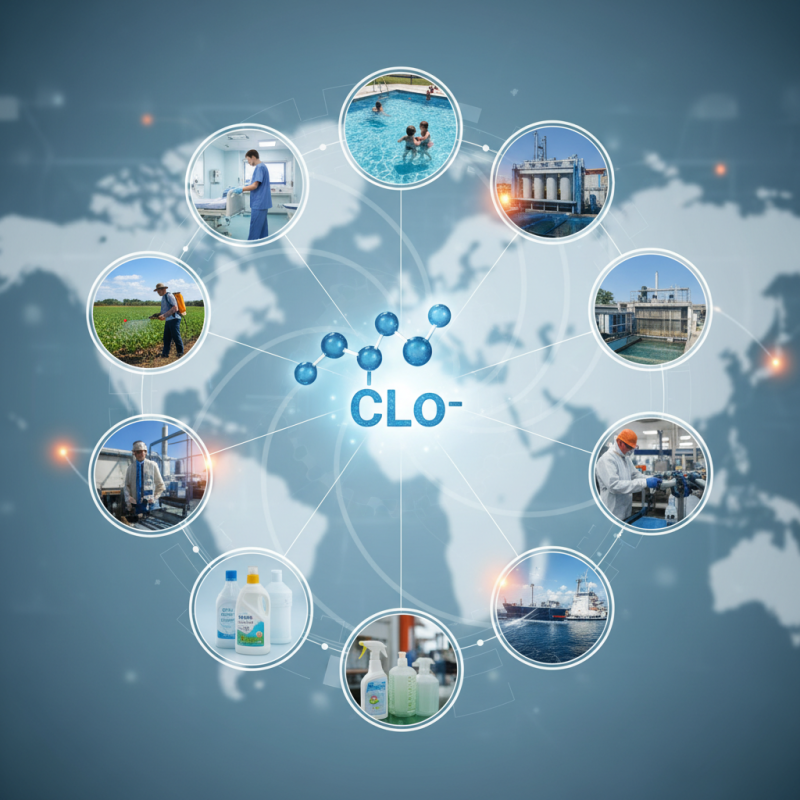
Top 10 Uses of Sodium Hypochlorite 8 for Global Buyers?
Sodium Hypochlorite 8 is a powerful compound used globally for various applications. According to Dr. Emily Carter, an expert in chemical safety, “Understanding the uses of Sodium Hypochlorite 8 can enhance safety and efficiency.” This highlights its importance in industries such as cleaning, water treatment, and agriculture.
In healthcare, Sodium Hypochlorite 8 plays a vital role in sanitization. It effectively eliminates pathogens, making environments safer for patients and staff. In agriculture, its use in crop protection is gaining traction, though improper application can lead to environmental concerns.
The versatility of Sodium Hypochlorite 8 is notable. Whether for disinfecting surfaces or treating wastewater, it offers practical solutions. However, buyers should reflect on proper handling practices to ensure safety. This balance is crucial as the demand for Sodium Hypochlorite 8 continues to grow worldwide.
Uses of Sodium Hypochlorite in Water Treatment Processes
Sodium hypochlorite is widely recognized for its effectiveness in water treatment processes. This powerful chemical acts as a disinfectant, effectively eliminating pathogens and contaminants in water. When added to water, sodium hypochlorite breaks down into hypochlorous acid, which is highly effective in killing bacteria and viruses.
In municipal water treatment facilities, sodium hypochlorite plays a crucial role. It helps in maintaining safe drinking water for communities. Its ability to neutralize harmful microorganisms makes it indispensable. Operators often monitor concentrations carefully to ensure that they provide safe levels of this chemical. Balancing effectiveness with safety is an ongoing challenge.
However, the use of sodium hypochlorite is not without its concerns. Improper handling can lead to safety hazards. It’s essential to follow guidelines for storage and application. Miscalculating dosages can result in water quality issues. Water treatment operators must continually adapt to evolving standards and practices. This highlights the importance of expertise and vigilance in the field of water treatment.
Sodium Hypochlorite as a Disinfectant in Healthcare Settings
Sodium hypochlorite is widely recognized for its role as an effective disinfectant in healthcare settings. It is common in hospitals, dental clinics, and laboratories. This compound can eliminate various pathogens, including bacteria, viruses, and fungi. According to a study published in the Journal of Hospital Infection, sodium hypochlorite solutions can reduce hospital-acquired infections by up to 25% when used properly.
In practical terms, its application is vast. For instance, a 1,000 ppm sodium hypochlorite solution can effectively disinfect non-porous surfaces within minutes. Many facilities rely on this to maintain cleanliness in operating rooms. However, its effectiveness depends on correct dilution and contact time. Poorly diluted solutions may not provide the desired level of disinfection, posing safety risks.
While sodium hypochlorite is powerful, it is crucial to handle it with care. The compound can produce harmful fumes, leading to respiratory issues if used in poorly ventilated areas. An Australian report highlighted incidents of chemical exposure that resulted from improper use. Continuous education on safe practices is necessary to ensure that healthcare facilities harness its benefits while minimizing risks.
Application of Sodium Hypochlorite in Household Cleaning Products
Sodium hypochlorite is a powerful disinfectant commonly used in household cleaning products. Its strong oxidizing properties make it effective against bacteria, viruses, and fungi. According to market research, the household cleaning segment accounts for nearly 30% of sodium hypochlorite's global demand. This high percentage reflects its widespread acceptance and application in everyday cleaning routines.
In many homes, sodium hypochlorite is a key ingredient in bleach products. Research indicates that a solution with 5-6% sodium hypochlorite is ideal for killing microorganisms on surfaces. Simple tasks, like sanitizing kitchen counters or bathroom fixtures, can significantly reduce the risk of contamination. However, users must exercise caution. Improper dilution can lead to harmful fumes or surface damage. Not everyone is aware of the correct usage, revealing a gap in consumer knowledge.
The versatility of sodium hypochlorite extends beyond disinfecting. It's also used for stain removal in laundry products. However, improper handling can lead to fabric damage. This highlights the need for educating consumers about safe practices. Understanding the right balance ensures effective cleaning while minimizing risks. The challenge persists in fostering awareness about its proper application for optimal safety and effectiveness.
Top 10 Uses of Sodium Hypochlorite in Household Cleaning Products
Role of Sodium Hypochlorite in Food Safety and Preservation
Sodium hypochlorite plays a critical role in food safety and preservation. It is widely used for disinfecting surfaces and equipment in food processing environments. This compound helps eliminate harmful bacteria and pathogens that can contaminate food. Its efficacy in killing germs makes it a staple in various food industries.
When handling sodium hypochlorite, safety is essential. Always use it in a well-ventilated area. Mix it with water based on manufacturer guidelines to ensure effectiveness. It’s crucial to avoid contact with skin and eyes. Wearing protective gloves and goggles can minimize risks.
To ensure food remains safe, frequently sanitize processing areas. A regular cleaning schedule helps prevent bacteria growth. Test the concentration of sodium hypochlorite to ensure it meets the required standards. This step can avoid potential health hazards. It’s worth noting that improper usage can lead to issues, such as residue remaining on food surfaces. Always use fresh solutions for the best results.
Industrial Uses of Sodium Hypochlorite in Textile and Pulp Industries
Sodium hypochlorite plays a vital role in the textile and pulp industries. It is effective in bleaching, disinfection, and sanitization. In textile manufacturing, sodium hypochlorite provides a bright white finish to fabrics. It is preferred due to its fast-acting properties and lower environmental impact compared to traditional agents. According to industry reports, over 40% of textile manufacturers utilize sodium hypochlorite in their processes.
In the pulp industry, sodium hypochlorite is utilized for bleaching various types of pulp. It aids in achieving the desired brightness and cleanliness of the final product. Research shows that up to 30% of pulp mills implement sodium hypochlorite for effective bleaching. While it is effective, there are concerns about the formation of toxic chlorinated compounds if not managed properly.
Tips: Always ensure proper ventilation when using sodium hypochlorite in industrial settings. Regular training for workers on safety measures can minimize risks. Implement a testing protocol to monitor for unwanted by-products during the bleaching process. Consistency in measurement and application helps maintain product quality while mitigating environmental impacts.
Top 10 Uses of Sodium Hypochlorite for Global Buyers
| Use Case | Industry | Description | Concentration (%) |
| Disinfection | Healthcare | Used for sanitizing medical equipment and surfaces. | 0.5 - 5% |
| Bleaching Agent | Textile | Used to whiten and remove color from fabrics. | 3 - 10% |
| Water Treatment | Municipal | Used for disinfecting drinking water and wastewater. | 1 - 5% |
| Odor Removal | Pulp and Paper | Used to neutralize unpleasant odors during production. | 2 - 5% |
| Microbiocide | Agriculture | Used to control microorganisms in agricultural products. | 0.1 - 2% |
| Surface Cleaning | Food Processing | Used to clean and sanitize food preparation surfaces. | 200 - 500 ppm |
| Paper Bleaching | Pulp | Utilized in the bleaching process of pulp for paper production. | 3 - 7% |
| Textile Treatment | Textile | Enhances properties of fibers and fabrics during finishing. | 5 - 15% |
| Algae Control | Aquatic | Used to eliminate algae growth in water bodies. | 1 - 3% |
| Industrial Cleaners | General | Part of formulation in various cleaning agents. | 5 - 10% |