Top 10 Uses for Temperature and Humidity Logger in Everyday Life?
In today's world, tracking environmental conditions has become essential. A temperature and humidity logger can help monitor the air around us. Dr. Sarah Thompson, an expert in environmental science, states, "Understanding our environment is the first step toward improvement." This technology is useful in various everyday scenarios.
Consider the impact of temperature and humidity on food storage. A logger ensures that your fridge runs optimally, preventing spoilage. In homes, it helps maintain comfort levels, creating a pleasant living atmosphere. Yet, many people overlook this simple tool. It’s easy to ignore small changes in conditions until they lead to bigger problems.
Similarly, businesses benefit significantly from these devices. They optimize conditions for sensitive materials or products. However, relying solely on technology without human oversight can lead to oversights. Balancing automated tools and human judgment remains crucial. Using a temperature and humidity logger can enhance our awareness of the spaces we inhabit.
Benefits of Using Temperature and Humidity Loggers in Home Environments
Temperature and humidity loggers can transform home environments significantly. These devices monitor indoor air conditions, ensuring comfort and safety. For instance, they can help maintain optimal humidity levels in basements. High humidity can lead to mold growth, damaging property. A logger can alert you before issues arise, saving time and money.
In kitchens, temperature loggers can keep track of food storage conditions. This is crucial for food safety. Improper temperatures can cause food spoilage. Regular checks with a logger provide peace of mind, though some may forget to check readings regularly.
Moreover, these loggers enhance energy efficiency. By understanding the climate in living spaces, homeowners can adjust HVAC settings effectively. However, many still overlook the vital role of humidity control. A forgotten device is an opportunity missed. Investing time into regular monitoring practices can lead to lasting benefits for any home.
Top 10 Uses for Temperature and Humidity Logger in Everyday Life
| Use Case |
Description |
Benefits |
| Food Storage |
Monitoring temperature and humidity in refrigerators and pantries. |
Prevents spoilage, reduces waste, and ensures food safety. |
| Wine Cellars |
Maintaining optimal conditions for wine preservation. |
Enhances wine quality and longevity. |
| Greenhouses |
Controlling environmental conditions for plant growth. |
Maximizes plant health and yield. |
| HVAC Systems |
Monitoring indoor climate for heating and cooling systems. |
Improves energy efficiency and comfort. |
| Basements |
Preventing dampness and mold growth in storage areas. |
Protects belongings and improves air quality. |
| Museums |
Safeguarding artifacts and exhibits from environmental damage. |
Preserves cultural heritage and extends the lifespan of exhibits. |
| Data Centers |
Ensuring optimal conditions for IT equipment. |
Reduces risk of equipment failure and data loss. |
| Health Monitoring |
Tracking humidity levels for asthma and allergy sufferers. |
Improves health management and comfort. |
| Crafts and Artwork |
Maintaining proper environment for preservation of materials. |
Prevents deterioration of artistic works. |
Applications in Food Safety and Storage Monitoring
Temperature and humidity loggers play a crucial role in food safety. They help monitor the conditions during storage and transport. Food can spoil quickly if not kept at the right temperature. A sudden rise in humidity can lead to mold growth on bread or fruits. These loggers detect changes and alert users instantly.
In restaurants, keeping track of food storage is essential. A logger can show if a freezer is malfunctioning or if the temperature in a cooler is rising. This data can prevent food waste. But there are challenges. Users may forget to check the data regularly. There may be gaps in the records if maintenance is lacking.
To ensure food safety, it's important to address these concerns. Regular checks on loggers should be a priority. Creating a routine can help keep food safe. Without diligence, the data collected can go unused. In the food industry, awareness and action are key for safety practices.
Utilizing Loggers for Climate Control in Greenhouses
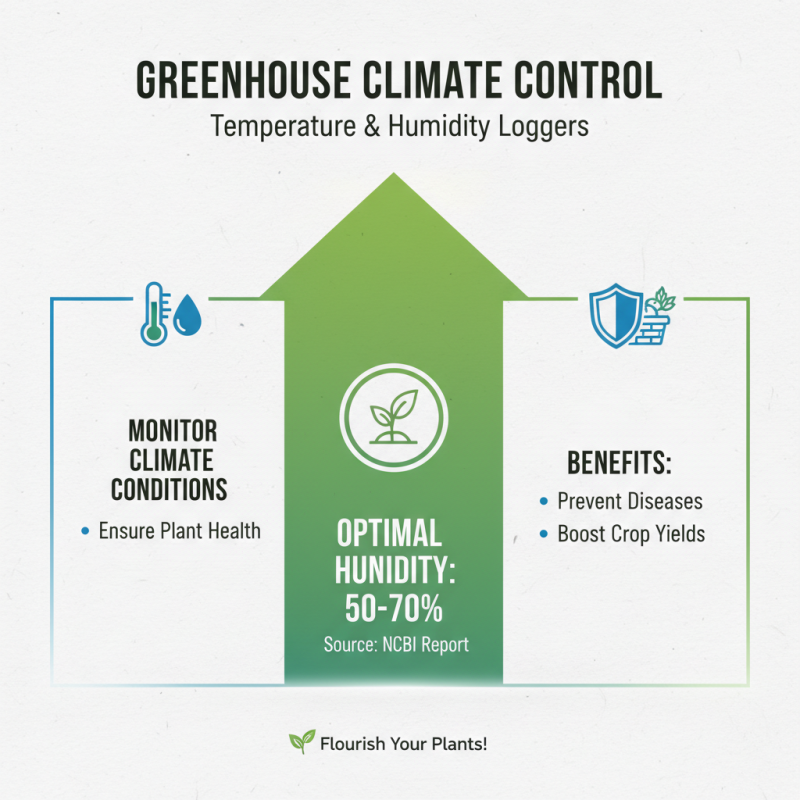
Temperature and humidity loggers play a crucial role in greenhouse management. These devices monitor climate conditions, ensuring plants flourish. According to a report by the National Center for Biotechnology Information, optimal humidity levels range from 50% to 70% for most plants. Loggers help maintain these conditions, preventing diseases and enhancing crop yields.
Regularly checking data is key. Ideal temperatures vary by plant type, but general ranges are between 65°F to 80°F. Any deviation can stress plants, leading to reduced growth. Using loggers ensures timely adjustments.
Tips: Review logger data daily. This practice helps spot issues early. Consider setting alerts for extreme conditions. Regular maintenance of the equipment is vital. Ensure sensors work correctly for reliable readings. Adopting these habits can transform greenhouse outcomes, though mistakes will happen. Reflecting on what went wrong can lead to better practices.
Enhancing Comfort and Health with Indoor Air Quality Monitoring
Indoor air quality significantly affects our health and comfort. Studies indicate that poor air quality can lead to respiratory issues, headaches, and fatigue. The World Health Organization reports that 3.8 million people die each year due to indoor air pollution. This makes monitoring temperature and humidity crucial for maintaining an optimal living environment.
Humidity levels directly influence our comfort. Ideally, indoor humidity should be between 30% and 50%. If it exceeds this range, mold growth can occur, causing health problems. Conversely, low humidity can dry out respiratory pathways, leading to irritations. A temperature and humidity logger can help manage these conditions effectively. Regular monitoring provides valuable insights.
We often overlook the impact of our environment. Many families may not realize their home is too humid or too dry. This oversight can affect sleep quality and overall well-being. Instead of being a minor inconvenience, these issues can escalate over time. In fact, 25% of Americans report negative effects from poor indoor conditions. Seeking improvements through monitoring can lead to significant lifestyle enhancements.
Tracking Environmental Changes in Personal & Workspaces
Temperature and humidity loggers are essential tools for monitoring environmental changes. In a personal workspace, maintaining ideal conditions boosts productivity. A slight feeling of discomfort can lead to decreased focus. These loggers help track temperature fluctuations and humidity levels, ensuring a comfortable environment. Imagine working in a space that is too humid. It can lead to mold growth and impact air quality. Regular monitoring aids in preventing such issues.
In homes, these loggers serve a different purpose. They can help control energy consumption by optimizing heating and cooling systems. You might notice drastic temperature changes throughout the day. This inconsistency often results in higher energy bills. By logging these variations, you gain insights into when to adjust settings. It is fascinating how small adjustments can create significant savings and comfort.
Moreover, hobbies such as gardening deeply benefit from monitoring environmental conditions. Different plants have specific needs. A temperature logger can reveal when greenhouse conditions are less than ideal. Maintaining the correct environment for outdoor gardens may also require constant attention. If you notice wilting plants, it often reflects your monitoring efforts. Reflection on these conditions promotes better care for both your plants and your living space.
Top 10 Uses for Temperature and Humidity Logger in Everyday Life