Top 10 USB Temperature Data Loggers You Need to Know?
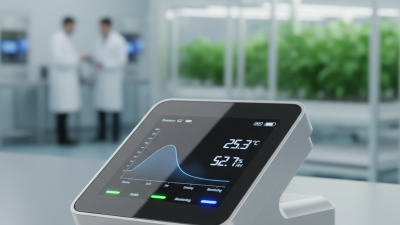
The world of temperature monitoring has evolved significantly with the advent of the USB temperature data logger. Experts like Dr. Helen Carter, a renowned researcher in environmental data collection, emphasize its importance: "A USB temperature data logger is crucial for accurate data in various sectors." This straightforward device can provide real-time insights, ensuring that sensitive materials remain within specified temperature ranges.
Yet, not all loggers are created equal. Different models vary widely in features, accuracy, and usability. Many users may find themselves overwhelmed by the choices available. The right USB temperature data logger can make all the difference. Ideal for industries like pharmaceuticals, agriculture, and food storage, these tools help prevent losses through effective monitoring.
However, selecting the appropriate device can be daunting. Users often overlook essential factors such as calibration frequency and software compatibility. It’s vital to reflect on these aspects to enhance data reliability. By understanding these elements, one can make informed decisions. In an industry where precision is paramount, every detail matters. Choosing the right USB temperature data logger is not just a task; it’s a critical decision for success.
Understanding USB Temperature Data Loggers
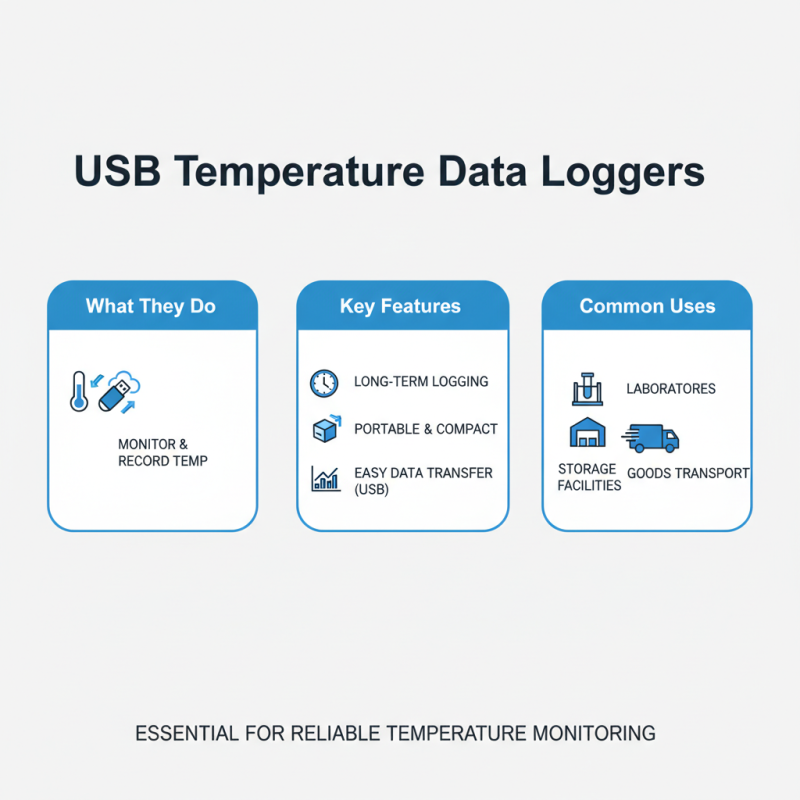
USB temperature data loggers are essential tools for monitoring temperature in various environments. These small devices can store temperature readings for extended periods. They are widely used in laboratories, storage facilities, and during transportation of goods. Their compact size makes them portable and easy to use.
Understanding these loggers starts with knowing their functionality. Most devices come with software to analyze data. Users can set the temperature intervals for recording. However, some find the setup process confusing. Calibration might be needed to ensure accuracy. This can be a frequent source of frustration for new users.
Another consideration is power supply. Many loggers run on batteries, which might deplete over time. Users should regularly check battery levels. Additionally, data retrieval can sometimes be tricky. Some devices require specific connections to access recorded data. Users often spend more time than expected on these tasks. Overall, while USB temperature data loggers offer great utility, they can also lead to unexpected challenges.
Key Features to Consider When Choosing a Data Logger
When choosing a USB temperature data logger, consider its key features. The accuracy of readings is vital. An accurate device ensures reliable data collection. Look for a logger that offers precise measurement standards. That can make a significant difference in outcomes. Different applications require different temperature ranges. Ensure the device fits your specific needs.
Another important feature is data storage capacity. A model with ample storage allows for long-term monitoring. Some loggers can store thousands of readings. This means fewer interruptions in data collection. Pay attention to the logging interval as well. A shorter interval captures changes more quickly, but it may require more storage. Think about what makes sense for your tasks.
Don’t overlook the user interface. A straightforward interface allows for easy setup. Look for devices that offer USB connectivity for smooth data transfer. Some might have mobile app support, enhancing usability. Review the battery life, too. A short battery life can disrupt monitoring. It’s crucial to balance features with practicality.
Top 10 Recommended USB Temperature Data Loggers
When selecting a USB temperature data logger, several key features should be considered. Temperature accuracy is crucial—a report from the National Institute of Standards and Technology states that accurate readings within ±0.5°C are optimal for most applications. Look for models that offer real-time data logging. This feature allows users to monitor changes continuously, which is essential in laboratories or storage facilities.
Battery life is another essential factor. Data loggers need to function for extended periods without frequent battery replacements. A study published in the Journal of Temperature Science highlights that a good data logger can last up to two years on a single set of batteries. However, many users often face challenges with battery performance under varying temperature conditions.
Additionally, data retrieval and software compatibility must be easy. Users should opt for loggers that provide simple USB access for data download. Yet, many devices have limited software support, causing frustration during data analysis. Finding a balance between functionality and ease of use remains an ongoing challenge for users in diverse industries.
Top 10 USB Temperature Data Loggers
Comparative Analysis of Leading Models
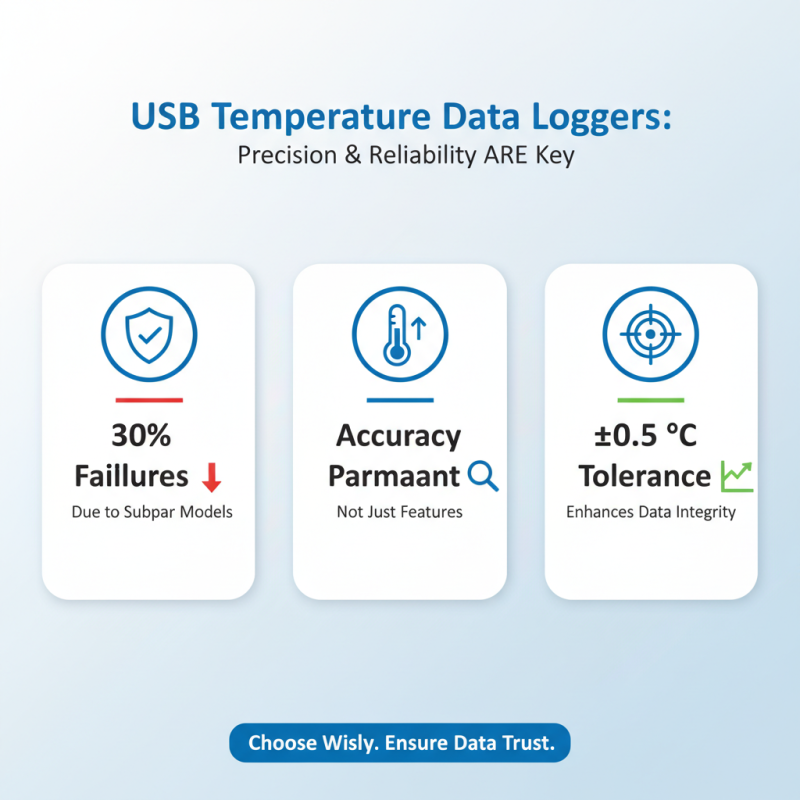
When choosing a USB temperature data logger, precision and reliability matter. A recent industry report indicates that over 30% of temperature logging failures occur due to subpar models. Many users focus on features, but accuracy is paramount. A well-regarded logger can offer tolerance within ±0.5 °C, significantly impacting data integrity.
The top models often feature user-friendly software and larger memory capacities. However, not all options have robust battery life. Reports indicate that around 20% of loggers fail during long-term use. This raises concerns about their environmental impact, as constant replacements lead to waste. It's crucial to assess long-term usability alongside initial costs.
Notably, some models provide extensive temperature ranges, up to -40 °C to 85 °C. This versatility is advantageous for various applications. Yet, a significant portion of users struggles with setup processes. Users should weigh ease of use against performance metrics carefully. Every model presents unique challenges that could influence the final decision.
Applications and Use Cases for Temperature Data Loggers
Temperature data loggers are essential in various industries today. They monitor temperature fluctuations and help maintain product integrity. In food services, for example, these devices ensure safe storage of perishables. A study shows that improper temperature control can lead to 30% spoilage rates. This highlights the need for precise monitoring equipment.
In the pharmaceutical industry, temperature data loggers safeguard sensitive medications. The World Health Organization states that temperature abuse can affect 10% of vaccines. Consistent monitoring can reduce this risk significantly. Many hospitals now rely on these tools for compliance with regulations and better patient outcomes.
Loggers are also useful in research settings. Scientists need accurate temperature readings to ensure experiment reliability. Some studies indicate that even minor temperature deviations can skew results drastically. This calls for constant vigilance and high-quality data loggers. Balancing precision and cost remains a persistent challenge.
Top 10 USB Temperature Data Loggers You Need to Know
| Model |
Temperature Range |
Accuracy |
Memory Capacity |
Battery Life |
Applications |
| Logger A |
-20°C to 60°C |
±0.5°C |
32,000 readings |
2 years |
Food storage, Pharmaceuticals |
| Logger B |
0°C to 50°C |
±0.3°C |
16,000 readings |
1.5 years |
Research labs, HVAC |
| Logger C |
-40°C to 70°C |
±0.1°C |
64,000 readings |
3 years |
Industrial, Environmental monitoring |
| Logger D |
-10°C to 40°C |
±0.2°C |
32,000 readings |
2 years |
Transport, Logistics |
| Logger E |
-30°C to 50°C |
±0.5°C |
20,000 readings |
5 years |
Medical facilities, Laboratory |
| Logger F |
-40°C to 60°C |
±0.5°C |
32,000 readings |
3 years |
Aerospace, Cold chain |
| Logger G |
-20°C to 45°C |
±0.3°C |
10,000 readings |
2 years |
Food safety, Environmental science |
| Logger H |
-25°C to 55°C |
±0.4°C |
40,000 readings |
2.5 years |
Pharmaceuticals, Transport |
| Logger I |
-15°C to 55°C |
±0.2°C |
30,000 readings |
4 years |
Research, Educational purposes |
| Logger J |
-40°C to 300°C |
±0.1°C |
120,000 readings |
5 years |
Industrial testing, High-temperature monitoring |