Top 10 Steel Part Engraving Machine Manufacturers to Consider?
The steel industry demands precision and quality, particularly in engraving. Choosing the right Steel Part Engraving Machine Manufacturer can significantly impact production efficiency. Experts suggest carefully evaluating your options. John Smith, a renowned specialist in manufacturing technologies, states, “The right machinery can enhance product precision and reduce waste.” This insight reflects the importance of selecting capable manufacturers.
In the evolving landscape of the steel engraving sector, ten standout manufacturers have regularly been recognized. Their reputation stems from a commitment to innovation and reliability. Many have demonstrated superior engineering capabilities and customer service. Yet, the challenge remains: not all manufacturers meet every requirement. Businesses must evaluate their specific needs against what each manufacturer offers.
Selecting an engraving machine isn't merely about specs. It's about understanding the long-term value of your investment. As the industry continues to thrive, making informed choices becomes increasingly crucial. Consider all aspects before deciding. This diligence will lead to better outcomes in your operations and product quality.
Overview of Steel Part Engraving Machines
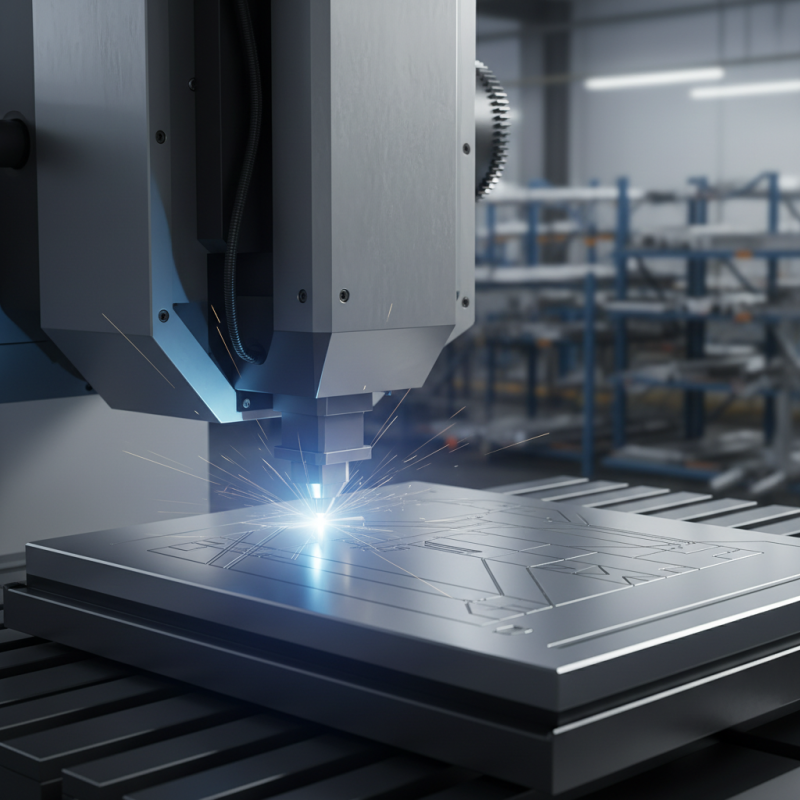
Steel part engraving machines are essential tools in various industries. They enable precise marking and customization on metal surfaces. These machines are capable of creating intricate designs, logos, and product information, enhancing product identity and traceability.
In recent years, technological advancements have improved engraving machines significantly. Some machines now feature advanced lasers and software that increase precision and speed. This evolution allows for higher production rates while maintaining quality. However, not all machines perform equally well. Users often face challenges such as learning curves and maintenance requirements. Some machines may also struggle with thicker materials, making choice crucial.
When considering a machine, it's vital to evaluate specific needs. Some businesses may prioritize speed over detail, while others might need fine engraving capabilities. Researching various models can be overwhelming. It is important to refer to expert reviews and user feedback. Gradually, understanding different specifications and features leads to better decision-making.
Key Features to Look for in Engraving Machines
When searching for an engraving machine, consider key features that enhance performance and reliability. A high-quality engraving machine should offer precision. Look for machines with a reliable motor and a sturdy frame. Stability reduces vibrations and improves accuracy during complex tasks.
Tips: Pay attention to the engraving depth control. This feature allows you to adjust the intensity based on material type. Inconsistent depth can lead to poor results. Always experiment with settings on test pieces before proceeding to your main project.
Another crucial aspect is software compatibility. The machine should be compatible with various design software for flexibility. User-friendly software can significantly enhance your workflow. A steep learning curve can lead to frustration and wasted materials. Ensure you have access to tutorials and community support to maximize your machine's potential.
Think about the machine's maintenance needs. Regular upkeep can prolong the lifespan and maintain quality. Neglecting maintenance can lead to performance issues over time. Understanding routine tasks will save you time and money in the long run.
Top 10 Steel Part Engraving Machine Manufacturers to Consider
| Manufacturer | Model | Laser Power (W) | Engraving Speed (mm/s) | Material Compatibility | Dimensions (mm) |
| Manufacturer A | Model X1 | 20 | 300 | Steel, Aluminum | 600 x 400 x 150 |
| Manufacturer B | Model Y2 | 30 | 500 | Steel, Brass | 800 x 500 x 200 |
| Manufacturer C | Model Z3 | 50 | 800 | Steel, Copper | 1000 x 600 x 250 |
| Manufacturer D | Model A4 | 40 | 700 | Steel, Plastic | 750 x 400 x 200 |
| Manufacturer E | Model B5 | 60 | 900 | Steel, Wood | 1100 x 750 x 300 |
Top Manufacturers Specializing in Steel Part Engraving
When it comes to steel part engraving, manufacturers play a crucial role in selecting the right machine. A reputable manufacturer should demonstrate expertise in engineering and fabrication. They should offer a variety of machines that cater to different engraving needs. Knowledgeable staff can assist in advising on the best practices and machine capabilities.
The reliability of the machines is paramount. High-quality engraving machines can improve efficiency and reduce downtime. Customers often appreciate manufacturers that provide thorough demonstrations and training. This shows a commitment to ensuring that the machines operate at peak performance.
Lastly, support and service are critical factors to consider. Manufacturers should be responsive to queries and provide timely assistance. Engraving machines can sometimes experience issues that require quick troubleshooting. If a manufacturer is lacking in after-sales service, it can lead to frustration. Successful partnerships often rely on trust and communication. Finding a manufacturer that embodies these qualities is essential for long-term success in the engraving industry.
Comparative Analysis of Leading Engraving Machine Brands
When evaluating top steel part engraving machines, a comparative analysis reveals significant differences among leading brands. According to a recent industry report, the global market for engraving machinery is projected to reach $4.5 billion by 2027, growing at a CAGR of 6.2%. This reflects increased demand in manufacturing sectors, where precision engraving is essential.
Attention to detail can significantly enhance engraving quality. Some machines offer micro-engraving capabilities, allowing for intricate designs. Industry analysts highlight that machines with higher DPI settings produce sharper, more accurate engravings, catering to industries like aerospace and automotive manufacturing. However, it's crucial to consider machine maintenance and user training for optimal performance. A poorly maintained machine can lead to inaccuracies.
Tip: Regular calibration can improve engraving precision. Always follow the manufacturer's guidelines for maintenance.
Choosing an engraving machine isn't just about brand loyalty. Factors such as durability, user support, and technology innovation play critical roles. Some models may excel in speed but compromise on quality. A reflective approach is necessary to evaluate what features matter most for specific applications. Look into real user reviews which often reveal hidden issues.
Tip: Test machines before purchase, if possible. Getting a hands-on experience can guide your decision.
Future Trends in Steel Part Engraving Technology
The steel part engraving technology is undergoing rapid evolution. Industry reports indicate that the market is projected to grow by 5.2% annually from 2023 to 2030. This growth reflects increased demand for precision in manufacturing. As industries become more competitive, the need for high-quality engraving solutions becomes paramount.
Innovative techniques, such as laser engraving, are gaining traction. This method offers precision and efficiency, often eliminating the need for post-processing. A recent survey revealed that over 70% of users noted enhanced quality with laser systems compared to traditional methods.
However, challenges remain. High initial costs and the need for skilled operators can deter smaller businesses.
As automation advances, integrating artificial intelligence with engraving machines is on the rise. Some reports project that AI-driven systems may reduce operational errors by up to 30%. While the potential exists, the industry must grapple with ensuring these technologies remain accessible to all manufacturers. Further research is needed to refine these integrations. The path ahead is promising, yet it warrants careful consideration and adaptation.