Top Quality 50 ml Centrifuge Tubes for Global Buyers?
In the realm of laboratory supplies, the demand for high-quality 50 ml centrifuge tubes is ever-increasing. Experts emphasize that these tubes are essential for various applications, from clinical research to industrial testing. Dr. Emily Carter, a leading authority in laboratory equipment, once stated, "Quality in centrifuge tubes ensures accurate results and safety in experiments."
However, not all 50 ml centrifuge tubes meet the highest standards. Buyers must navigate a market filled with options. Many products may look similar, but the quality can vary significantly. It’s crucial to identify tubes that offer durability and precise measurements. Misleading labels can lead to subpar performance.
Investing in quality 50 ml centrifuge tubes ultimately enhances research outcomes. Nevertheless, some consumers may overlook this aspect, seeking only the lowest prices. This approach can lead to regrettable mistakes. Scrutinizing manufacturer credibility and reviews can guide buyers toward making informed choices. Quality shouldn’t be compromised for cost, as it impacts the integrity of research.
Overview of Centrifuge Tubes and Their Importance in Laboratories
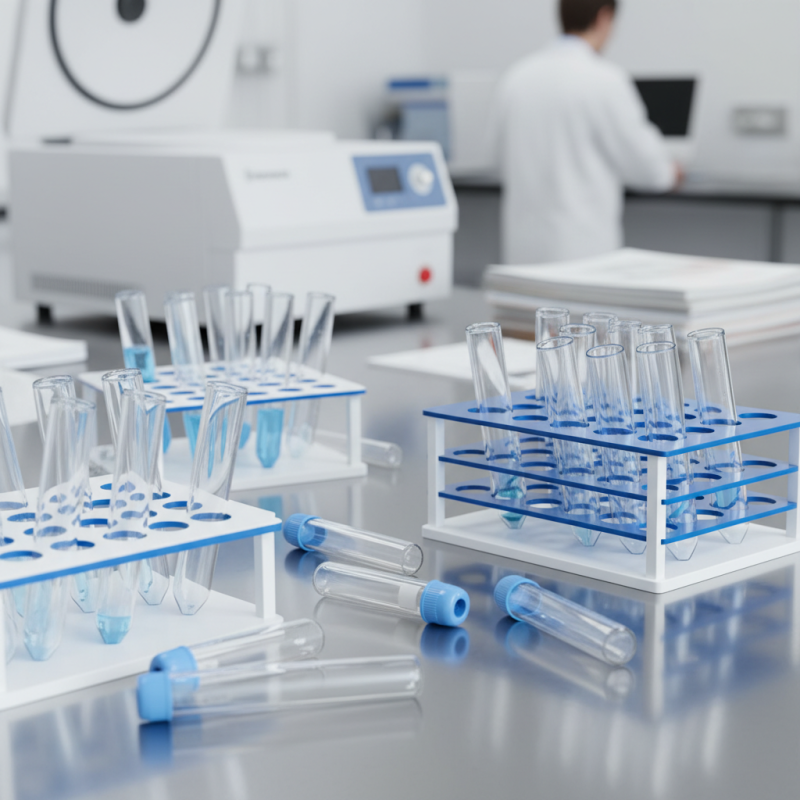
Centrifuge tubes are essential tools in laboratories. They facilitate the separation of substances within mixtures. These tubes are typically used to isolate cells, organelles, or other particles from liquids. Their design supports high-speed spinning, allowing for efficient sedimentation. This quality is crucial in biological research and medical testing.
The importance of these tubes goes beyond convenience. Selecting the right material is vital for preventing contamination. Plastic tubes are common, while glass offers durability. Each choice affects experimental outcomes. Users must evaluate their needs carefully. Small details like lid sealing can influence test results. A tight seal prevents leaks.
Many beginners overlook the significance of proper handling. Mishandling can lead to breakage or contamination. Training and awareness are critical. Labs should invest in proper instruction. Frequent quality checks can help identify potential issues. It’s essential to remember that even top-quality tubes require mindful usage.
Usage of Centrifuge Tubes in Various Applications
This chart illustrates the different applications of 50 ml centrifuge tubes in laboratories, highlighting their importance in research, clinical, and industrial settings.
Key Features to Look for in High-Quality 50 ml Centrifuge Tubes
When selecting high-quality 50 ml centrifuge tubes, several key features demand attention. The material used is crucial. Polypropylene and polycarbonate are common choices. They provide excellent strength and clarity. The tubes must be ultra-clear to allow visual inspection of contents. Thickness matters, too; thicker walls resist breakage during centrifugation.
Next, consider the tube's design. Graduated markings facilitate precise measurement. Some tubes offer a unique cap design. This ensures a secure seal and minimizes the risk of leaks. A recent report by the Analytical Laboratory Services indicates that up to 15% of centrifuge tube failures are due to cap inconsistencies.
Compatibility with various centrifuge models is also vital. The tubes must withstand high centrifugal forces without deforming. Additionally, temperature tolerance plays a role in performance. Research highlights that some tubes can withstand temperatures as low as -80°C. However, users often overlook this specification. A careful examination of these attributes ensures reliable results in experiments.
Comparison of Material Types Used in Centrifuge Tube Manufacturing
When selecting centrifuge tubes, the material type significantly impacts performance. Common materials include polypropylene, polystyrene, and polyethylene. Each has unique properties beneficial for different applications. Polypropylene is favored for its chemical resistance and durability. It withstands high-speed centrifugation without deforming. This ensures reproducibility in experiments.
Polystyrene, while less durable under stress, offers clarity. Researchers often prefer it for visual inspection of samples. It allows easy observation of sediment formation. However, it may not balance well in high-speed settings. Thus, understanding material limitations is essential.
Centrifuge tubes made from polyethylene provide flexibility and lightweight handling. Yet, they may lack the robustness of polypropylene. Users should evaluate their specific needs against these material traits. This reflection often leads to better choices in laboratory settings. The right material not only ensures efficiency but also enhances experiment reliability.
Global Market Trends for Centrifuge Tubes: Demand and Supply Dynamics
Centrifuge tubes are essential in laboratories worldwide. Their demand is driven by various sectors, including pharmaceuticals, biotechnology, and academic research. According to a recent market report, the global centrifuge tube market is projected to grow at a CAGR of 5.7% until 2025. This indicates robust demand, fueled by advancements in research and diagnostics.
Supply dynamics are equally significant. Manufacturers face challenges in sourcing raw materials and maintaining quality standards. In 2022, 42% of suppliers reported delays due to transportation and logistics issues. This unpredictability may affect pricing and availability in certain regions.
Moreover, user preferences evolve over time. Many researchers seek high-quality, reliable centrifuge tubes that offer clarity and durability. Feedback from users indicates a desire for tubes that fit multiple rotors and are easy to handle. This suggests a need for manufacturers to innovate and adapt. The emphasis on sustainability is also growing, with a notable percentage of consumers interested in eco-friendly options.
Top Quality 50 ml Centrifuge Tubes for Global Buyers
| Region |
2022 Demand (Million Units) |
2023 Demand Forecast (Million Units) |
Market Growth Rate (%) |
Main Applications |
| North America |
15 |
16 |
7 |
Research Laboratories, Biopharmaceuticals |
| Europe |
12 |
13.5 |
12.5 |
Clinical Testing, Research |
| Asia-Pacific |
25 |
28 |
11.6 |
Diagnostic Centers, Research Institutes |
| Latin America |
5 |
6 |
10 |
Healthcare, Academic Research |
| Middle East & Africa |
4 |
4.5 |
12.5 |
Pharmaceuticals, Research Institutes |
Top Manufacturers and Suppliers of 50 ml Centrifuge Tubes Worldwide
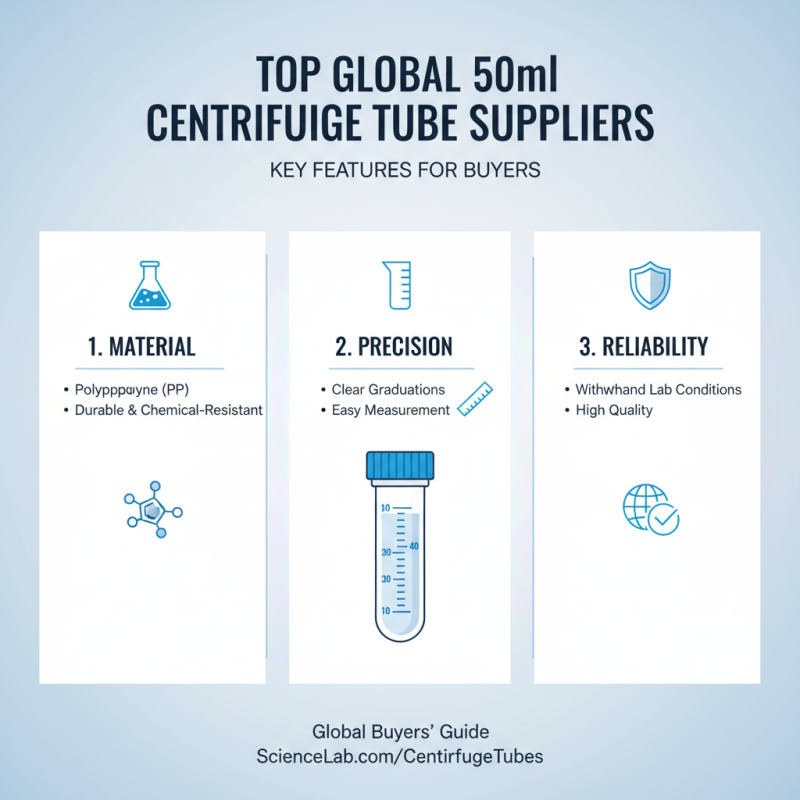
When looking for high-quality 50 ml centrifuge tubes, global buyers must consider various factors. The material used is crucial. Tubes made from polypropylene are durable and resistant to chemicals. This ensures they can withstand different laboratory conditions. Made to be precise, these tubes come with clear graduations for easy measurement.
Many suppliers offer an impressive range, catering to diverse laboratory needs. It’s essential to verify their certifications. Quality control practices should be a priority for reputable manufacturers. Not all suppliers maintain the same standards, which can lead to inconsistent results in experiments. Being aware of this can save time and resources in the long run.
Additionally, shipping and lead times can vary significantly. Some suppliers might promise fast delivery but may not have the inventory on hand. Always have backup options. Ultimately, buyers should focus on establishing reliable relationships with trustworthy suppliers. This can lead to improved lab efficiency and accurate research outcomes.