Top 10 Plumbing Leak Detection Tips Every Buyer Should Know?
Plumbing leaks can cause significant damage. They often lead to expensive repairs and rising water bills. According to the American Leak Detection, leaks account for about 14,000 cases daily in the U.S. alone. These figures highlight the need for effective Plumbing Leak Detection. Buyers must be aware of the essential tips to spot any potential leaks before making an investment.
Investing in a property means understanding its hidden issues. Undetected leaks can lead to mold growth and structural damage. Many buyers fail to consider plumbing issues. A study by the Environmental Protection Agency estimates that household leaks waste nearly 1 trillion gallons of water each year. This staggering number emphasizes the importance of proper leak detection techniques.
By knowing these leak detection tips, buyers can save money and avoid future headaches. It's not just about purchasing a home; it's about ensuring a safe living environment. Taking the time to learn about plumbing leak detection can provide peace of mind and protect your investment.
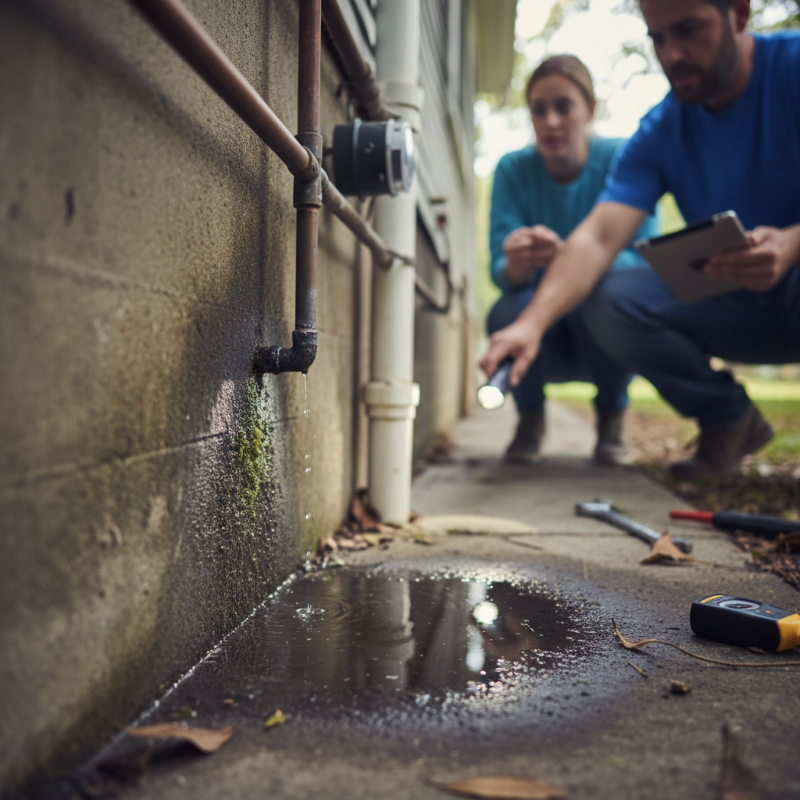
Essential Tools for Detecting Plumbing Leaks During Home Inspections
When it comes to detecting plumbing leaks, having the right tools is crucial. An infrared camera can help spot temperature differences in walls or ceilings. This technology detects moisture hidden behind surfaces. It allows inspectors to identify potential leaks without invasive methods. A moisture meter is another essential tool. It measures the moisture level in materials, helping to pinpoint wet areas. Regular checks can reveal hidden issues before they become costly repairs.
Listen to your home. Strange sounds might indicate a leak. For example, dripping noises at night could mean a pipe is leaking. Visually inspect areas like the kitchen and bathrooms. Look for stains or discoloration on walls and ceilings. These signs are often related to plumbing issues. Don't forget to check underneath sinks and around toilets.
Documentation of any findings is key. Take notes and photos during inspections. This information can help professionals assess the situation accurately later. Even a small leak, if left untreated, can lead to extensive damage. Utilize these tips and tools to safeguard your home. Stay proactive and informed about potential plumbing leaks.
Top 10 Plumbing Leak Detection Tips Every Buyer Should Know
| Tip | Description | Essential Tools |
| Check Water Meter | Monitor changes in the meter readings to detect leaks. | Water Meter |
| Look for Wet Spots | Inspect walls and ceilings for discoloration or moisture. | Flashlight |
| Listen for Dripping Sounds | Identify leaks through the sound of dripping water. | Sound Level Meter |
| Check Appliances | Inspect appliances for signs of leakage around connections. | Wrench, Screwdriver |
| Inspect Pipes | Examine visible pipes for corrosion or leaks. | Pipe Inspection Camera |
| Monitor Water Pressure | Check for high-pressure changes that could indicate a leak. | Pressure Gauge |
| Check Toilets | Look for signs of leaking at the base and tank. | Dye Tablet |
| Use Moisture Meter | Measure moisture levels in walls and floors. | Moisture Meter |
| Inspect Crawl Spaces | Check for signs of moisture in basements or crawl spaces. | Flashlight, Gloves |
| Hire a Professional | Consider a professional inspection for thorough leak detection. | Leak Detection Service |
Common Signs of Plumbing Leaks Every Buyer Should Look For
When purchasing a home, detecting plumbing leaks is crucial. Many buyers overlook subtle signs of leaks, leading to costly repairs later. A study by the American Housing Survey found that nearly 14% of homes have water leaks. Paying close attention to common signs can prevent future nightmares.
One key indicator is water stains. These marks often appear on ceilings and walls. Dark spots suggest persistent moisture. Additionally, investigate unusual sounds, like gurgling pipes or dripping water. Silent leaks may exist behind walls. Identifying these early can save thousands. Inspecting your water bill is also wise. An unexplained spike may indicate a hidden leak.
Another significant detail is the condition of the foundation. Cracks or soft spots may be a sign of leaking pipes. The Environmental Protection Agency highlights that households waste 10,000 gallons of water yearly due to leaks. Awareness of these signs empowers buyers. A proactive approach can prevent major issues down the line. Trust your senses, and don’t ignore the details.
Top 10 Plumbing Leak Detection Tips Every Buyer Should Know
Detecting plumbing leaks early is crucial for homeowners. The chart above lists common signs of plumbing leaks and their approximate percentage of occurrence based on buyer experiences. Be vigilant for these indicators to avoid costly repairs.
Step-by-Step Guide to Conducting a DIY Leak Check
When conducting a DIY leak check, start with visible plumbing. Look for damp spots or water stains on walls and ceilings. This may indicate a hidden leak. The American Society of Home Inspectors (ASHI) states that over 14% of homes have water leaks, highlighting the importance of thorough checking.
Next, check your water meter. Turn off all the water in your home. Take a reading and wait for about two hours. If the meter moves, there may be a leak. Notably, according to the Environmental Protection Agency (EPA), an average household can waste over 10,000 gallons of water annually due to leaks.
Pay attention to your water bill. If you notice an unexplained increase, investigate further. Sometimes, leaks are subtle and go unnoticed. Inspect appliances, especially washers and dishwashers, for signs of moisture. Remember, a small drip can lead to significant damage over time. While DIY checks are helpful, consider involving a professional to ensure accuracy and reliability in your assessments.
Understanding the Consequences of Ignoring Plumbing Leaks
Ignoring plumbing leaks can lead to severe consequences. A study by the Environmental Protection Agency (EPA) estimates that leaks can waste over 1 trillion gallons of water annually in the U.S. This amount could supply water to over 11 million homes for a year. Beyond water waste, leaks can foster mold growth, leading to health risks. The CDC highlights that mold can cause respiratory issues, particularly in vulnerable individuals.
Structural damage is another risk. Water intrusion can weaken foundations and walls over time. According to the American Society of Home Inspectors, about 60% of homes with leaks suffer from structural damage before the issue is addressed. This can result in costly repairs, averaging between $2,000 and $10,000 or more. A leak left unchecked can escalate from a simple faucet drip to a major plumbing failure.
Regular inspections are crucial. Homeowners should conduct visual checks around plumbing fixtures and listen for sounds of dripping. Early detection of leaks can prevent extensive damage and save significant money. Delay can lead to a cycle of expensive repairs and health hazards. Awareness of these risks is essential for any home buyer or owner.
When to Call a Professional Plumber for Leak Detection Assistance
Detecting plumbing leaks can be challenging, but knowing when to call a professional is crucial. According to the American Society of Home Inspectors, over 14% of homes face significant water damage due to leaks. If you notice water stains, mold growth, or damp spots on walls, these are signs that you need to seek help. A professional plumber has the tools and expertise required for thorough leak detection.
Tip: Regularly check your water meter. A sudden increase in usage can indicate hidden leaks. Experts recommend monitoring your meter at least once a month.
If you suspect a leak but cannot identify the source, it’s time to call in the pros. They utilize advanced technology like infrared cameras and moisture meters. These tools can reveal leaks behind walls or under floors, preventing further damage.
Tip: Pay attention to your water bill. An unexplained spike might indicate a leak. Even a small leak can waste over 10,000 gallons of water per year, according to the U.S. Geological Survey.
Professionals can locate and repair leaks that might not be visible to the untrained eye. Ignoring leaks can lead to higher repair costs later on, making timely intervention essential. Always seek expert advice when the signs become concerning. A proactive approach can save water, money, and your home’s integrity.