2026 Top Cryovials for Biobanking and Scientific Research Trends?
In the realm of biobanking and scientific research, cryovials play a vital role. These storage solutions are designed for the preservation of biological samples at low temperatures. In 2026, the market for cryovials is expected to evolve significantly. Research trends indicate an increasing focus on sample integrity and safety. Innovations in cryovial design are on the rise. Scientists aim to reduce contamination risks and improve ease of use.
However, not all cryovials meet the high standards required for optimal sample preservation. Some materials may not withstand the extreme cold, leading to sample degradation. In addition, issues with sealing techniques can impact reliability. As researchers delve deeper, it becomes clear that there is a pressing need for better quality assurance measures.
Evaluating different cryovials is imperative for effective research outcomes. With so many options available, researchers often face challenges in choosing the right products. The landscape is complex and ever-changing. Awareness of these factors will guide scientists toward making informed decisions. Ultimately, the developments in cryovials will significantly influence the future of biobanking and validate the importance of innovation in scientific practices.

Trends in Cryovial Materials for Biobanking in 2026
In 2026, the biobanking sector will see significant changes in cryovial materials. Recent studies indicate a rising demand for vials made from advanced polymers. These materials offer better clarity and mechanical strength. They can withstand extreme temperatures, making them ideal for long-term storage of biological samples.
A report from the Biobanking Industry Association reveals that over 70% of biobanks are shifting towards lightweight, durable cryovials. Not only do these options save on shipping costs, but they also enhance sample integrity. Still, there's a concern regarding the recyclability of these materials. Many researchers question whether these advanced polymers can be recycled efficiently, posing potential environmental challenges.
Moreover, growing awareness about contamination risks has led to the development of more secure sealing technologies. Nevertheless, some researchers feel that the industry is slow to adopt these innovations. The balance between cost and quality remains a significant hurdle. As the science progresses, biobanks must reflect on their practices to ensure sustainability while maintaining sample quality.
Key Features of Advanced Cryovials for Scientific Research
Cryovials play a crucial role in biobanking and scientific research. Their design has evolved to meet various needs. Advanced cryovials are built to withstand extreme temperatures. This provides protection for valuable samples stored for long periods. These vials are typically made from robust materials. This enhances their durability and ensures sample integrity.
Another feature of these cryovials is their airtight seals. This minimizes the risk of contamination and evaporation. Researchers rely on precise labeling for sample identification. Many advanced cryovials now include writable surfaces or barcodes. This makes tracking samples easier. However, not all vials offer user-friendly options. Confusing labels can lead to mistakes in sample retrieval.
The ergonomics of cryovials are also important. Easy-to-hold vials reduce the chances of dropping. Innovative designs help optimize storage space in freezers. Yet, space constraints in some labs can make this challenging. Despite advancements, there's always room for improvement in functionality. Researchers continuously seek better options to ensure reliability and ease of use.
2026 Top Cryovials for Biobanking and Scientific Research Trends
| Feature |
Description |
Materials |
Applications |
Temperature Range (°C) |
| Sterility |
Gamma-irradiated for guaranteed sterility |
Polypropylene |
Sample storage, cell culture |
-196 to +121 |
| Cryoprotective Properties |
Minimizes ice crystal formation |
Polypropylene with additives |
Biobanking, regenerative medicine |
-196 |
| Sealing Mechanism |
Secure screw cap with O-ring |
Polypropylene, Silicone |
Long-term sample preservation |
-196 to +121 |
| Graduations |
Clear markings for accurate measurements |
Polypropylene |
Laboratory use, sample tracking |
-196 |
| Color Coding |
Different colors for sample classification |
Polypropylene |
Inventory management, organization |
-196 to +121 |
Comparative Analysis of Top Cryovials: Performance and Usability
In recent years, cryovials have become essential for biobanking and scientific research. Their importance lies in preserving biological samples at ultra-low temperatures. A comparative analysis reveals major differences in performance and usability among various cryovials. Some materials may crack during freezing, leading to sample loss. The seals of certain vials can also fail, compromising integrity.
Choosing the right cryovial is crucial. Factors like storage conditions and sample type play roles in decision-making. While some vials are optimized for easy labeling and traceability, others may struggle with these features. It's worth noting that not all vials are created equal. Some designs might be user-friendly but lack in thermal resistance. Researchers often face challenges in balancing usability and performance.
Testing different types can be telling. Vials that perform well in temperature stability sometimes compromise on ease of handling. Striking a balance requires thoughtful selection. Observing these trends informs best practices in sample preservation. It’s imperative to continually assess strengths and weaknesses in cryovial designs to adapt to evolving research needs.
Future Innovations in Cryovial Technology for Biobanking
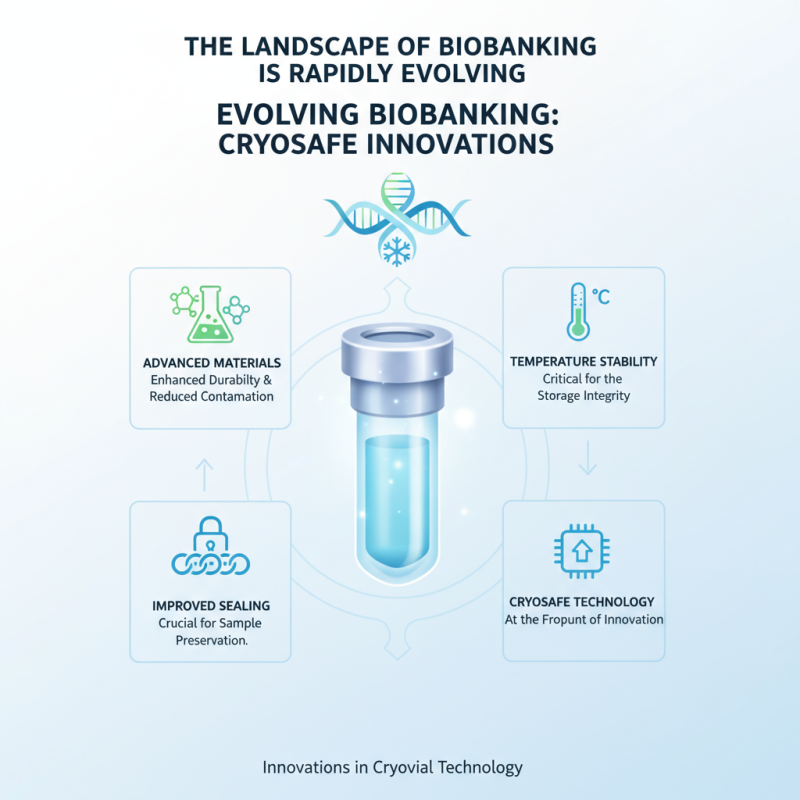
The landscape of biobanking is evolving rapidly. Innovations in cryovial technology are at the forefront. Advanced materials are being explored. These new materials aim to enhance durability and reduce contamination risks. Improved sealing mechanisms are crucial for preserving samples effectively. Scientists are particularly interested in temperature stability during storage.
The design of cryovials is also changing. New shapes and sizes cater to various sample types. This customization improves accessibility for researchers. Additionally, some designs allow easier handling, reducing the risk of spills. However, challenges remain, like ensuring compatibility with existing storage systems.
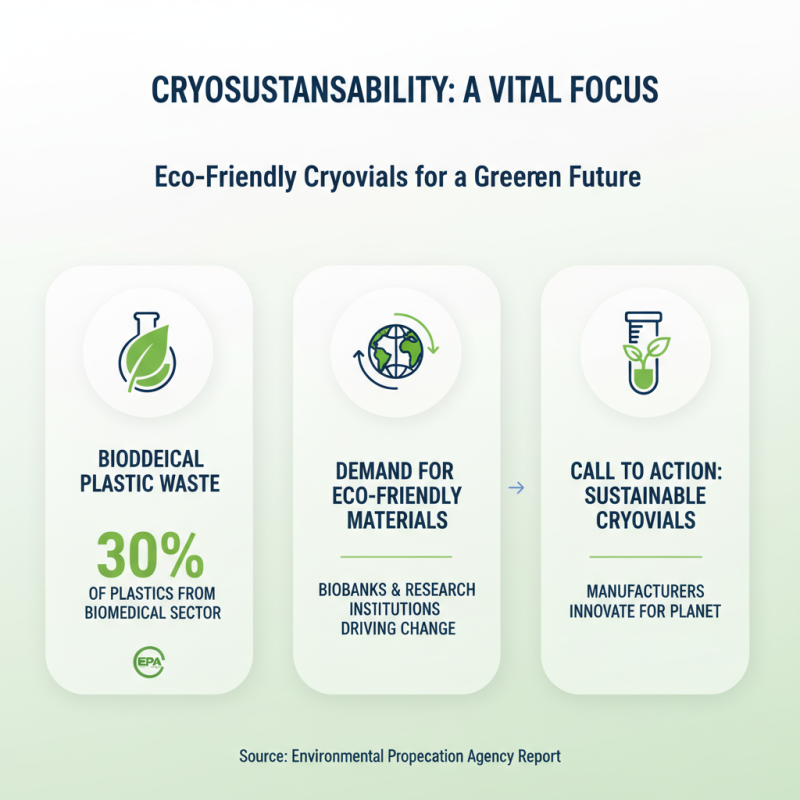
Sustainability is another key factor driving innovation. Researchers are experimenting with biodegradable materials. These options reduce the environmental impact of waste. Yet, there are concerns about performance and reliability. The balance between innovation and practicality is delicate. It requires constant reflection and adaptation to meet future demands.