Top 10 Centrifuge Tubes for Your Lab Needs Which One is Best?
In any laboratory setting, the selection of the right equipment can greatly impact results. Among these, the centrifuge tube plays a crucial role in various experiments. Choosing the best centrifuge tube involves understanding your specific needs and applications.
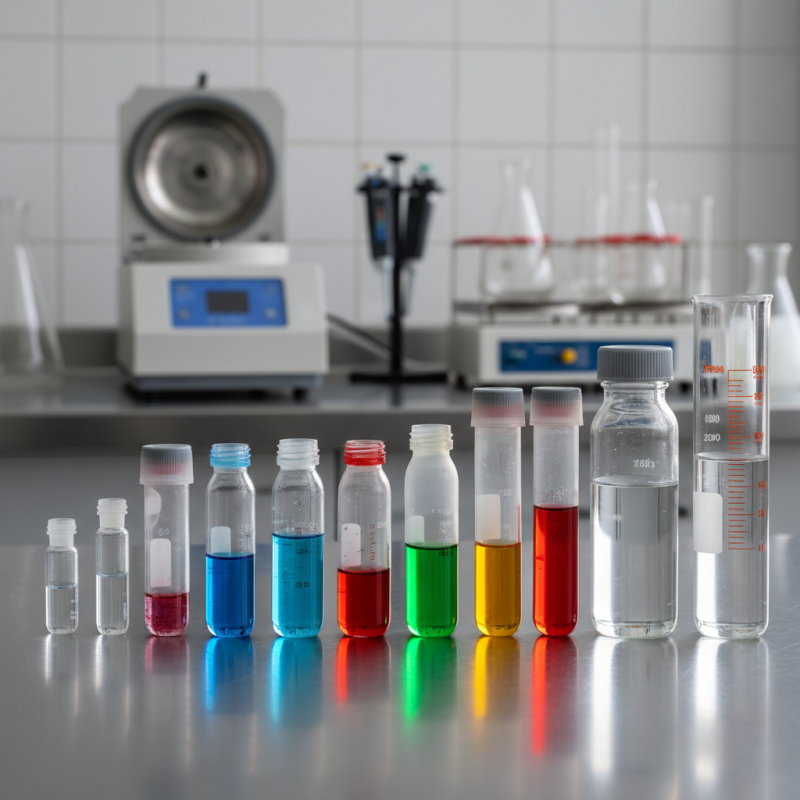
Centrifuge tubes come in different materials and sizes. Each type is tailored for unique purposes. For instance, some are made from polypropylene, while others are glass. This choice affects durability and compatibility with samples. Users may overlook these details, though they are essential for optimal outcomes.
You might find it challenging to determine which centrifuge tube suits your lab. Reflect on your past experiences and decisions. Some of them might not have yielded the desired results. By exploring a variety of options, you can enhance your lab practices. Remember, the goal is to ensure accuracy and reliability in every experiment you conduct.
Top Features to Consider When Choosing Centrifuge Tubes
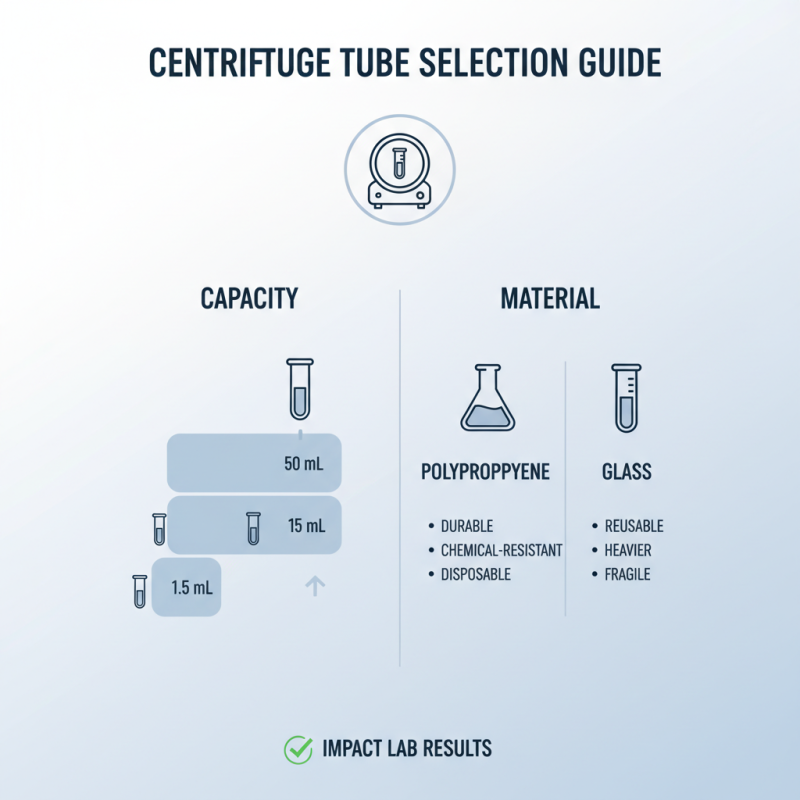
Choosing the right centrifuge tubes can make a significant difference in lab results. When selecting, consider the tube’s capacity. Common sizes range from 1.5 mL to 50 mL. The material of the tube is crucial too. Polypropylene is popular due to its durability. Glass tubes may be used but are heavier and more fragile.
Tips: Always check the maximum centrifugal force a tube can handle. Some tubes can withstand higher forces, which might be necessary depending on your experiment. Next, look for tubes with clear graduation marks. These help you measure volumes accurately.
Don’t forget about the lid design. Secure lids prevent leaks and contamination. However, some closures may be difficult to open, especially with gloves on. Also, consider whether the tubes are compatible with your sample type. Certain materials might react with biological samples, affecting results.
Another important factor is whether the tubes are autoclavable. Autoclavable tubes allow for sterilization. However, not all tubes can endure high temperatures, leading to deformation. Always check the specifications for this detail.
Material Types: Polypropylene vs. Polycarbonate in Lab Use
In laboratory settings, the choice of centrifuge tubes can significantly affect experiments. Two common materials used for these tubes are polypropylene and polycarbonate. Each has distinct properties that cater to different needs. Polypropylene is durable and resistant to chemicals, making it ideal for various applications. It offers excellent temperature stability and can handle -80°C effectively.
On the other hand, polycarbonate tubes are more transparent and allow for easy viewing of samples. They can handle higher centrifugal forces, but they are less resistant to certain solvents. According to industry reports, polypropylene tubes are generally preferred for low-temperature storage and chemical compatibility. However, they may warp or shatter under extreme stress. Polycarbonate, with its superior clarity, proves beneficial in situations where visual inspection is crucial.
Choosing the right material isn't always straightforward. Some studies indicate that a significant number of lab users remain unaware of how material degradation can compromise sample integrity. Aligning tube selection with specific experimental needs is vital yet often overlooked. Understanding these material differences can lead to better decision-making in the lab.
Top 10 Centrifuge Tubes for Your Lab Needs: Material Types - Polypropylene vs. Polycarbonate
| Tube Type |
Material |
Capacity (mL) |
Max RCF (x g) |
Temperature Range (°C) |
Autoclavable |
| 1. Standard Tube |
Polypropylene |
15 |
17,000 |
-80 to 121 |
Yes |
| 2. High-Speed Tube |
Polycarbonate |
50 |
25,000 |
-20 to 70 |
No |
| 3. Conical Tube |
Polypropylene |
15 |
14,000 |
-80 to 121 |
Yes |
| 4. DNA/RNA Tube |
Polycarbonate |
1.5 |
15,000 |
-80 to 70 |
No |
| 5. Microcentrifuge Tube |
Polypropylene |
0.5 |
18,000 |
-80 to 121 |
Yes |
| 6. Sterile Tube |
Polypropylene |
10 |
12,000 |
-20 to 121 |
Yes |
| 7. Cell Culture Tube |
Polycarbonate |
25 |
15,000 |
-20 to 60 |
No |
| 8. PCR Tube |
Polypropylene |
0.2 |
9,000 |
-80 to 121 |
Yes |
| 9. Sample Collection Tube |
Polycarbonate |
50 |
20,000 |
-20 to 70 |
No |
| 10. Centrifuge Flask |
Polypropylene |
250 |
10,000 |
-80 to 121 |
Yes |
Centrifuge Tube Sizes and Their Applications in Research
Centrifuge tubes are essential tools in laboratories. They come in various sizes, each suited for specific applications. For instance, 15 mL tubes are often used for cell culture and microbiology. They are versatile and suitable for many standard laboratory procedures. In contrast, 50 mL tubes are great for larger samples, allowing you to process more material.
When selecting a centrifuge tube, consider the sample volume and desired application. The wrong size can lead to spillage and contamination. It's also important to think about the material. Some tubes withstand higher temperatures, while others are better for low-temperature usage. Tips: Always verify the compatibility between the tube and your centrifuge. It is frustrating to find out a tube does not fit your machine!
Remember, feel free to experiment with different sizes. Sometimes, you may not find the perfect fit on your first try. Conduct tests to see which tube best meets your needs. Pay attention to how samples behave under centrifugation. This might mean adjusting the speed or time settings based on tube performance. Finding the right centrifuge tube is a valuable part of your research, but it might take some trial and error.
Temperature Resistance and Sterilization Methods for Tubes
When selecting centrifuge tubes, temperature resistance is crucial. Many tubes can withstand high and low temperatures. Some handle extreme cold, while others are designed to tolerate high heat. It’s essential to match the tube’s specifications with your intended application. A mismatch could lead to tube failure. This often goes unnoticed until it’s too late.
Sterilization methods vary for different types of tubes. Autoclaving is a common method, but not all tubes can withstand this process. Some may warp or weaken under the pressure and heat. It’s vital to ensure the tube material is compatible with your sterilization method. Failing to do so can compromise your experiments. Newer methods, like gamma radiation, may be effective but are not widely used.
Testing tubes in your specific environment is wise. You might notice unexpected limitations. Some tubes seem durable but break easily under stress. Observing their performance over time reveals hidden vulnerabilities. Choosing the right centrifuge tube means understanding what each option offers. Research is essential, but hands-on experience often provides the best insights.
Popular Brands and Their Market Share in Centrifuge Equipment
In the realm of centrifuge equipment, various brands dominate the market. Each brand offers unique features and specifications that cater to different lab needs. It's fascinating to see how brand recognition impacts purchasing decisions. For example, performance, reliability, and price often shape users' preferences. Some brands are heavily preferred for their durability and efficiency. However, not all popular choices guarantee top quality.
Market share varies significantly among these brands. Some companies capture larger segments thanks to innovative designs and marketing strategies. Still, emerging brands often surprise lab technicians with affordable yet effective products. Choosing the right centrifuge tube isn't always clear-cut. Users sometimes find themselves overwhelmed by options. They may overlook less marketed tubes that perform exceptionally well.
Truly, the best choice depends on specific lab requirements. Cost, availability, and personal experiences play essential roles. Not all high-priced options deliver superb results. Sometimes, less well-known brands might provide better value for money. Evaluating user reviews can help in this decision-making process. It's essential to weigh all considerations before making a final judgment.