What is Sleep Monitoring Technology and How Can It Benefit You?
In today's fast-paced world, achieving quality sleep can be challenging. Many people struggle with insomnia or restless nights. To combat this, Sleep Monitoring Technology has emerged as a useful tool. This technology tracks sleep patterns and offers insights into sleep quality.
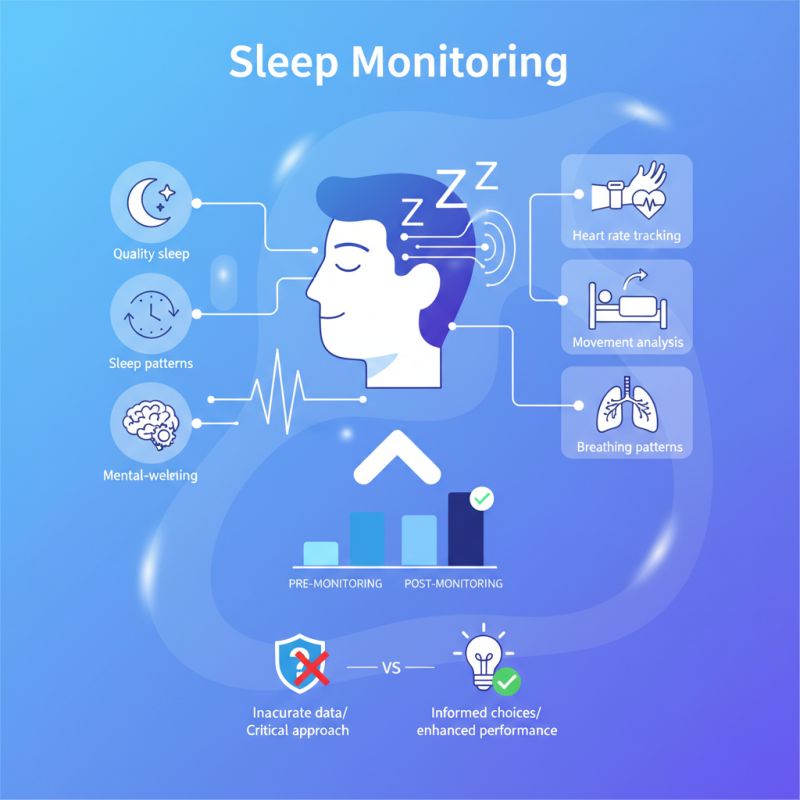
Sleep Monitoring Technology utilizes various devices and applications. They can analyze your movements, heart rate, and even breathing patterns while you sleep. By understanding these factors, you can make informed adjustments to improve your sleep quality. Proper sleep is essential for physical and mental well-being.
It is important to note that not all sleep monitoring methods are equally effective. Some devices can be inaccurate or may not provide useful data. Users should approach the information critically. Despite these limitations, many individuals find value in sleep tracking. With this technology, informed choices can lead to better sleep and enhanced daily performance.
What is Sleep Monitoring Technology?
Sleep monitoring technology has evolved rapidly in recent years. It includes various devices and applications designed to track sleep patterns. According to the Sleep Research Society, over 40% of adults report sleep problems regularly. This technology provides valuable insights into sleep quality and duration.
Devices can measure heart rate, breathing patterns, and movement during sleep. A study published in the journal Sleep found that people using sleep trackers improved their sleep habits by 20%. However, it’s crucial to recognize the limits of these tools. Not all technology captures the full complexity of sleep. Many users may misinterpret the data, leading to unnecessary anxiety.
The data collected can help users make informed decisions about their sleep environment. Small changes, like adjusting room temperature or limiting screen time, can lead to better rest. However, reliance on technology may create dependency. Balance is essential. While sleep monitors offer useful insights, they should complement healthy sleep hygiene rather than replace it.
Types of Sleep Monitoring Devices and Their Features
Sleep monitoring technology has evolved significantly in recent years. Various devices are now available to help individuals track their sleep patterns and improve overall sleep quality. Some popular types of sleep monitoring devices include wristbands, smart mattresses, and mobile applications. Each of these devices offers distinct features that cater to different sleep needs.
Wristbands are compact and often come with heart rate and activity tracking capabilities. They can provide insights into sleep stages, helping users understand their sleep cycles. Smart mattresses, on the other hand, adjust firmness based on individual preferences and offer temperature control features. These mattresses monitor movements throughout the night to enhance comfort. Mobile applications utilize the smartphone’s accelerometer and microphone to detect sleep patterns and disturbances.
Small changes can significantly enhance your sleep quality. Consider keeping a consistent sleep schedule. Aim for 7-9 hours of sleep each night, as recommended by the Sleep Foundation. Avoid screens before bed to minimize blue light exposure. Dive deeper into your sleep habits; reflective journaling can identify patterns that disrupt your rest. Small tweaks can lead to substantial changes in how rested you feel each day.
How Sleep Monitoring Technology Works
Sleep monitoring technology has become an essential tool for understanding our sleep patterns. This technology uses various sensors to track sleep stages, movements, and even heart rates. By analyzing this data, individuals can gain insights into their sleep quality and duration. These insights are often presented through easy-to-read apps or devices that visualize sleep cycles.
The technology typically relies on wearable devices or under-mattress sensors. Wearables may include smartwatches or fitness trackers that monitor physiological indicators during the night. Under-mattress options often use pressure sensors to detect movements. Both methods aim to provide an accurate picture of sleep.
However, it is not always perfect. Sometimes, the sensors can misinterpret movements, which may lead to inaccurate data. Individuals might find themselves questioning their sleep quality despite the readings. Reflecting on one’s sleep habits can provoke a deeper understanding of what contributes to better rest.
Benefits of Using Sleep Monitoring for Better Health
Sleep monitoring technology has become increasingly popular for people seeking better overall health. It tracks your sleep patterns, duration, and quality. With data from sleep trackers, you can identify factors affecting your rest. Good sleep is vital for physical and mental well-being. It enhances mood, boosts immunity, and improves cognitive function.
Using sleep monitoring can reveal unexpected insights. For example, you might discover that late-night screen time affects how well you sleep. Many people underestimate the influence of their environment. Factors like noise, temperature, and light can impact rest. Awareness of these factors allows for adjustments, leading to a more restful night.
However, relying solely on technology can lead to stress. It's essential to view data as a guideline rather than an absolute measure. If numbers indicate poor sleep, it doesn’t mean you didn't rest. Reflecting on your overall well-being is crucial. Sleep patterns can change from day to day, influenced by various real-life events. Emphasizing a holistic approach ensures you benefit from your sleep monitoring journey.
What is Sleep Monitoring Technology and How Can It Benefit You? - Benefits of Using Sleep Monitoring for Better Health
| Aspect | Description | Benefits |
| Sleep Tracking | Monitors sleep patterns and stages throughout the night. | Helps identify sleep issues and improves sleep quality. |
| Heart Rate Monitoring | Tracks heart rate variability during sleep. | Provides insights into overall cardiovascular health. |
| Sleep Environment Analysis | Analyzes factors like noise, light, and temperature. | Creates a more conducive sleep environment. |
| Data Insights | Provides reports on sleep quality and patterns. | Helps in forming better sleep habits. |
| Integration with Health Apps | Syncs with health tracking applications. | Allows tracking of holistic health metrics. |
Tips for Choosing the Right Sleep Monitoring Solution
Choosing the right sleep monitoring solution can be daunting. With a variety of devices available, it's essential to consider your specific needs. Research by the National Sleep Foundation suggests that quality sleep can significantly enhance productivity and health. However, not every device fits everyone's lifestyle or preferences.
When selecting a sleep monitor, prioritize accuracy. Look for devices that utilize multiple metrics like heart rate, sleep stages, and movement. A good monitor should not only track your sleep duration but also provide insights into sleep quality. Some users may find features overwhelming. Choose a product that filters essential data without causing confusion.
Consider how you plan to use the device. If you travel frequently, a portable solution may be ideal. For home use, a more comprehensive system could help track long-term patterns. A 2022 study found that consistent tracking can create better sleep habits. Ultimately, your selected device should foster personal growth, leading to improved well-being and restful nights. Be thoughtful and patient in your decision-making process, as adjusting to a new sleep routine takes time.