What is the Purpose of Biohazard Specimen Bags?
In the field of medical waste management, biohazard specimen bags play a crucial role. Dr. Emily Johnson, a leading expert in hazardous materials, emphasizes their importance: “Biohazard specimen bags are essential to ensure safety and compliance in medical settings.” These bags are designed to safely contain and transport biological specimens that may pose health risks.
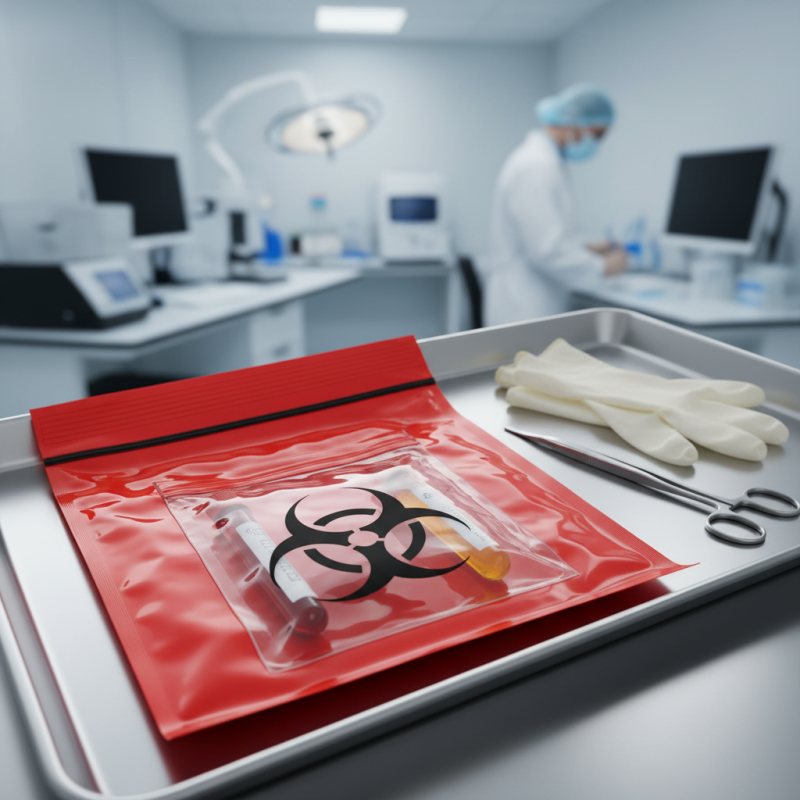
Biohazard specimen bags are typically marked with the standard biohazard symbol. They provide a clear visual warning to staff and waste handlers. This clarity helps to prevent accidental exposure to potentially harmful substances. The effectiveness of these bags relies on proper sealing and labeling. It's not just about functionality, but also about trust in the system.
While biohazard specimen bags are effective, there is room for improvement. Some bags may not withstand extreme temperatures, risking contamination. Facilities must regularly review their practices and make necessary adjustments. The ongoing development in materials and design can enhance safety standards further. Reflecting on these areas is essential for advancing biohazard containment practices in healthcare settings.
Understanding Biohazard Specimen Bags and Their Importance
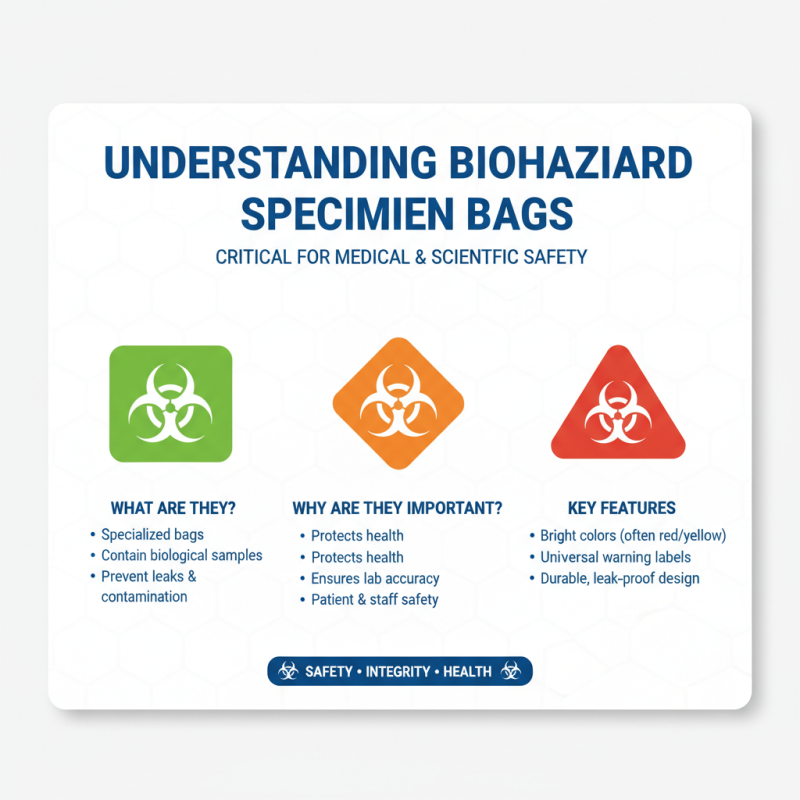
Biohazard specimen bags play a critical role in the medical and scientific fields. These bags are specially designed to safely contain biological samples that may pose a risk to human health. Their bright colors and warning labels serve as a clear signal for handling potential hazards. Their design helps prevent leaks and contamination, which is vital for both patient safety and accurate lab results.
Understanding the importance of these bags goes beyond mere functionality. Proper usage ensures compliance with safety regulations and standards. However, not all facilities adequately train staff on their correct application. Neglecting to use these bags correctly can lead to serious health risks. For example, a simple oversight can result in exposure to infectious materials. This emphasizes the need for ongoing education and awareness in handling biohazard specimens.
While the bags are essential, they are only part of a larger safety protocol. Facilities must regularly review their processes. This includes updating training and ensuring staff understand the implications of mishandling specimens. Balancing safety with operational efficiency is not always easy. Yet, failing to prioritize these measures could have dire consequences for public health.
The Design and Features of Biohazard Specimen Bags
Biohazard specimen bags are essential in handling potentially infectious materials safely. Their design emphasizes durability and visibility. Made from puncture-resistant plastic, these bags prevent leaks and maintain integrity. The bright biohazard symbol clearly identifies contents, reducing risks during transport and processing.
When selecting biohazard bags, consider the size and type required for your specimens. Some bags have dual compartments that separate samples from absorbent materials. This feature ensures that any leaks are contained, minimizing exposure. Additionally, color-coded options can facilitate quick identification of specimen types.
**Tip:** Always check the expiration date of your biohazard bags. Using outdated bags may lead to compromised safety.
The sealing mechanisms on these bags are crucial. Ziplock closures and adhesive strips provide strong seals. However, improper sealing can render them ineffective. Always inspect bags for defects, as small punctures can jeopardize safety protocols.
**Tip:** Train staff regularly on handling these bags to enhance safety awareness. Proper training can prevent accidents and ensure compliance with health regulations.
Applications of Biohazard Specimen Bags in Medical Settings
Biohazard specimen bags play a vital role in medical settings. They are designed to safely transport biological samples. These bags are usually made from durable materials to prevent contamination. Their bright colors are a clear warning to staff and visitors. This reduces the risk of accidental exposure.
In laboratories, biohazard specimen bags are critical for handling samples from patients. They ensure that infectious materials are contained. The bags often have secure seals. This helps maintain the integrity of the specimen during transport. Healthcare professionals rely on them for various tasks. Blood, urine, and tissue samples need proper containment to prevent harm.
Using biohazard specimen bags also reflects best practices in infection control. However, not all medical facilities use them consistently. Some may overlook their significance. This can lead to potential risks. Awareness and training can improve the situation. Ensuring all staff understands proper use is essential. Biohazard specimens should always be treated with caution.
Safety Regulations and Standards for Biohazard Specimen Bags
Biohazard specimen bags play a critical role in the safe handling of hazardous biological materials. Understanding safety regulations and standards is essential for anyone in healthcare or research settings. These bags must meet specific requirements to ensure the containment of potentially infectious materials. They are often made from sturdy materials that resist leaks. Recommended color coding helps in the quick identification of biohazards.
Regulations often depend on the type of specimen being handled. For instance, items that may carry pathogens require stricter standards. Inadequate compliance can lead to severe consequences, including contamination or exposure. Training staff on the proper use of these bags is crucial. Many facilities conduct regular audits to ensure adherence to protocols.
However, challenges remain. Not all facilities implement these regulations uniformly. Some staff may not be fully trained, leading to breaches in safety. Continuous education and updated training are necessary to foster a culture of safety. Reflecting on these practices can help improve overall safety protocols. Regular assessments and feedback can enhance effectiveness in managing biohazard specimens.
Biohazard Specimen Bags: Compliance with Safety Regulations
Best Practices for Handling and Disposing of Biohazard Specimen Bags
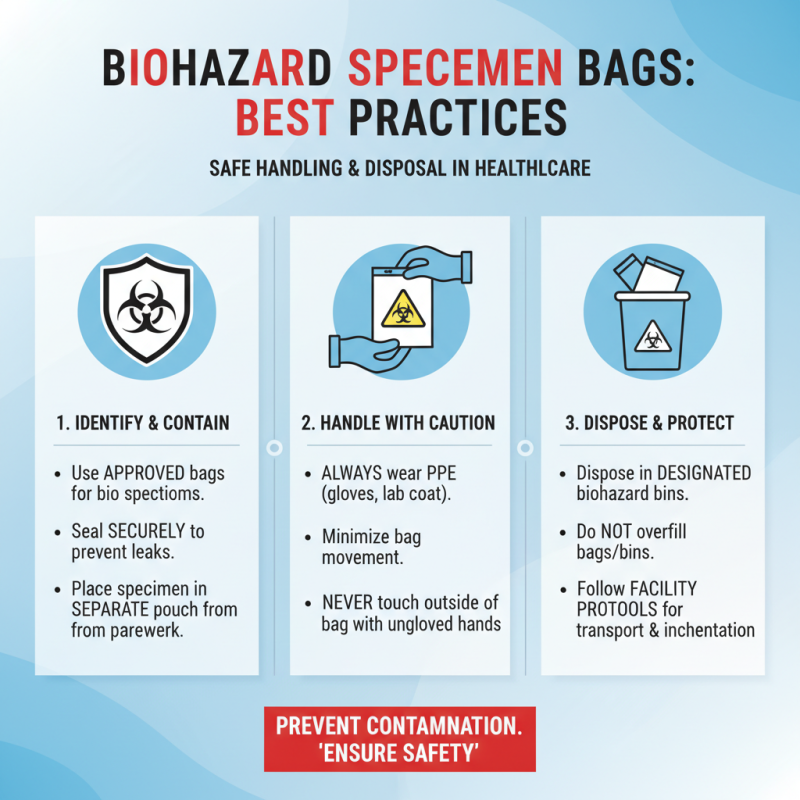
Biohazard specimen bags play a crucial role in the healthcare system. They are designed to safely contain biological specimens that could pose risks of infection. Proper handling and disposal of these bags are essential to prevent contamination and ensure safety. Health professionals must understand the risks associated with biohazard materials. They should always use the appropriate bags for specific specimens.
When handling biohazard specimen bags, it’s vital to wear personal protective equipment. Gloves, masks, and eye protection can help avoid accidents. For instance, if a bag leaks, it may expose you to harmful pathogens. After collecting specimens, seal the bags properly to minimize risks. It’s a simple yet often overlooked step. Staff should regularly train in handling protocols and updates.
Disposing of biohazard bags involves specific criteria. Follow your facility's guidelines on disposal methods. Often, this means placing bags in designated waste containers. These containers should be clearly labeled and easily accessible. Failure to adhere to these practices can lead to serious consequences. Facilities should regularly evaluate their disposal practices and make necessary adjustments. Addressing shortcomings can enhance safety and protect public health.