Why You Need a Data Logger for Temperature and Humidity Control?
In the realm of environmental monitoring, the significance of maintaining optimal temperature and humidity cannot be overstated. Expert Dr. Emily Carter, a leading authority in climate control technology, once stated, "A precise data logger for temperature and humidity is crucial for preserving product integrity." This emphasizes the importance of reliable data collection in various industries, from pharmaceuticals to food storage.
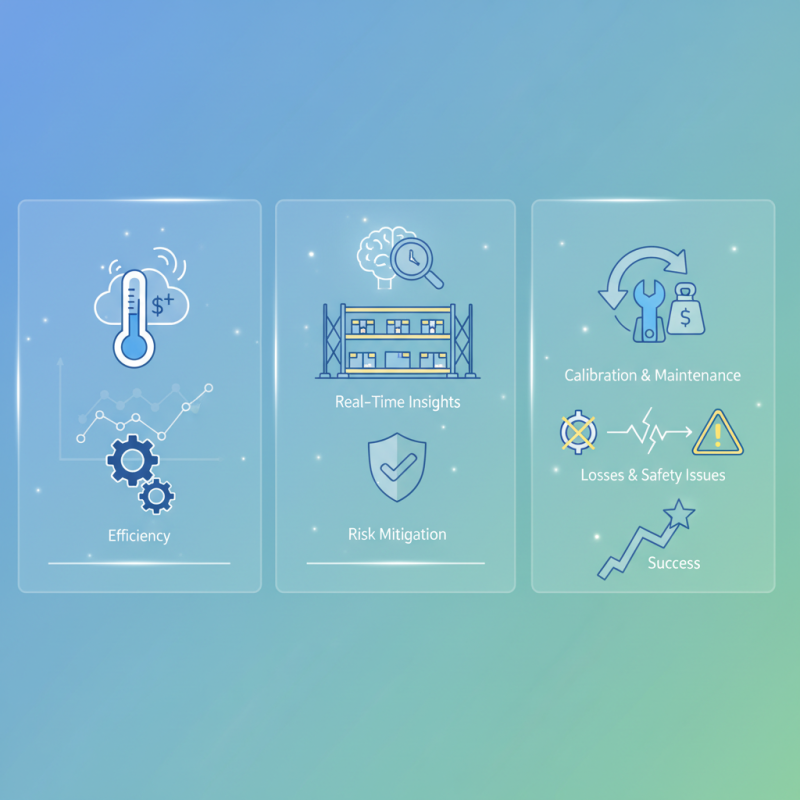
Using a data logger temperature and humidity can greatly enhance operational efficiency. These devices provide real-time insights into environmental conditions, ensuring that critical thresholds are maintained. Imagine a pharmaceutical warehouse. If temperatures fluctuate, medications may lose effectiveness. Without proper monitoring, businesses face significant risks.
Yet, it’s not just about having the right technology. Organizations often overlook the need for regular calibration and maintenance. An improperly calibrated data logger temperature and humidity can yield inaccurate readings. This could lead to expensive losses and safety issues. The path to effective monitoring is filled with challenges, and reflection on these aspects is essential for success.
The Importance of Temperature and Humidity Control in Various Industries
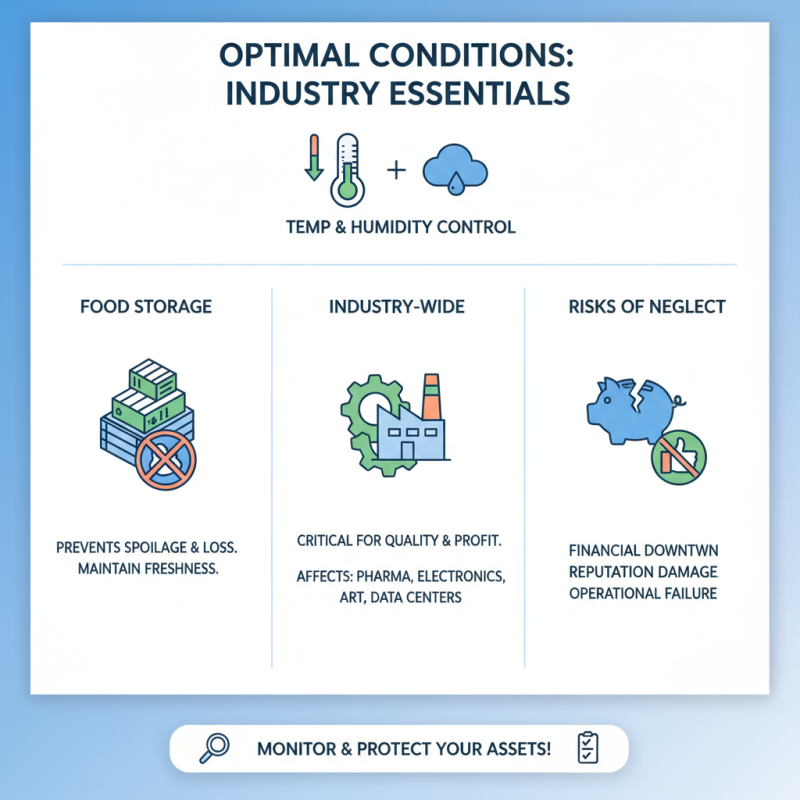
Temperature and humidity control is crucial across diverse industries. For instance, food storage requires specific conditions. Improper levels can lead to spoilage and financial loss. Many companies overlook the details. They might fail to monitor their storage environments closely. This negligence can harm their reputation and bottom line.
Pharmaceuticals also require strict controls. A slight deviation in temperature can affect drug efficacy. Hospitals and pharmacies need reliable systems to ensure medications remain effective. Accuracy is non-negotiable.
**Tips:** Regular checks help maintain these environments. Add backup systems to prevent data loss. Consider using alarms for immediate alerts. Consistent monitoring leads to better quality control. Neglecting these practices can lead to serious issues.
Understanding Data Loggers: Functionality and Benefits
Data loggers are essential for monitoring temperature and humidity in various industries. They provide real-time data and help maintain optimal conditions for sensitive products. With precise sensors, these devices can track fluctuations in environmental conditions. This information is crucial for sectors like food storage, pharmaceuticals, and manufacturing.
According to industry reports, about 30% of businesses experience losses due to poor temperature control. In regulated environments, maintaining humidity within specific ranges is vital for product quality. A data logger can offer peace of mind, as it continuously records data over time. Alerts can be set up for temperature or humidity deviations, allowing for timely interventions.
However, some businesses still hesitate to adopt data loggers. They may underestimate the risks associated with not monitoring their environments. Budget constraints can also play a role. Yet, the potential for loss or damage far outweighs the investment in a data logger. Understanding its functionality can reveal both immediate and long-term benefits that are hard to ignore.
Key Industry Standards for Temperature and Humidity Monitoring
Temperature and humidity control is crucial in various industries. For instance, the pharmaceutical sector often requires strict adherence to guidelines like the FDA's 21 CFR Part 11. Data loggers play a vital role in maintaining these standards. According to a recent study, improper monitoring can lead to a 30% increase in spoilage rates for sensitive products. This aligns with findings from a global survey, where 20% of businesses reported significant losses due to temperature fluctuations.
Healthcare facilities also need precise data management. The Joint Commission emphasizes continuous monitoring for equipment such as blood refrigerators. A temperature deviation of even 2 degrees can compromise patient safety. Reports indicate that facilities using data loggers reduce such incidents by up to 40%. Yet, many still rely on manual checks. This method can introduce errors, often caused by staff oversight or equipment failure.
In food storage, maintaining the ideal environment is essential. The USDA recommends that perishable goods remain within specific temperature and humidity ranges. Yet, many retailers fail to comply. A survey found nearly 25% of perishable items were stored improperly. Employing data loggers not only ensures compliance but also enhances inventory shelf life. This technology is not just a luxury; it is a necessity in today's regulated environment.
Case Studies: Impact of Proper Data Logging on Product Quality
Temperature and humidity control is crucial for many industries. In food storage, for example, the wrong conditions can result in spoilage. A 2021 study indicated that 75% of food waste is due to improper storage conditions. Data logging can help prevent this waste. By continuously monitoring and recording environmental conditions, businesses can identify trends. This enables timely adjustments, ensuring product quality.
Pharmaceuticals require strict compliance with storage guidelines. A report from the World Health Organization found that 30% of drug failures are linked to improper storage. Utilizing data loggers in warehouses ensures that temperature and humidity levels remain within specified limits. Companies can avoid costly recalls. However, many still overlook the benefits of proper logging. They often operate without real-time data, leading to potential risks.
Implementing data logging systems is not without challenges. Initial setup costs can be high. Some may feel overwhelmed by the technology, which can deter adoption. However, the potential benefits to product integrity and safety far outweigh these initial hurdles. Regular data analysis can lead to better insights, but businesses must commit to ongoing evaluation.
Choosing the Right Data Logger: Features and Specifications to Consider
Choosing the right data logger for temperature and humidity control is crucial for ensuring optimal conditions. When selecting a device, consider the measurement range. A typical logger should cover -20°C to 70°C for temperature and 0% to 100% relative humidity. This wide range allows flexibility in various settings, from laboratories to warehouses.
Battery life is another important feature. Look for loggers with an extended service life. Some can run for years without needing a battery change. This is especially advantageous in remote locations or hard-to-reach areas.
**Tip:** Always check the data logger's accuracy and precision specifications. Some report accuracy within ±0.5°C and ±2% RH. This level of detail is key to maintaining quality control.
Data storage capacity also matters. A larger capacity ensures longer periods of monitoring without data loss. For example, a logger storing up to 32,000 readings can help in extensive monitoring tasks, allowing for thorough analysis.
**Tip:** Regularly review data logs. This practice can uncover trends or fluctuations in temperature and humidity. Insights gained can prevent potential issues in storage environments.
Consider connectivity options as well. Many data loggers now offer Wi-Fi or Bluetooth features, enabling real-time data transmission. This is vital for immediate response in critical situations. However, assess whether your team will effectively utilize these features or if simpler devices might suffice.
Why You Need a Data Logger for Temperature and Humidity Control
| Feature |
Description |
Importance |
| Measurement Range |
Temperature: -40 to 125°C; Humidity: 0 to 100% RH |
Ensures adequate range for various environments |
| Accuracy |
±0.5°C for temperature; ±3% RH |
Critical for compliance and data reliability |
| Data Storage Capacity |
Up to 100,000 readings |
Allows long-term monitoring without manual intervention |
| Battery Life |
2 years with logging every 10 seconds |
Minimizes maintenance requirements |
| Connectivity |
USB, WiFi, Bluetooth options available |
Facilitates easy data transfer and monitoring |
| Alarm Settings |
Configurable alerts for temperature and humidity thresholds |
Ensures prompt action to prevent damage |
| Ease of Use |
User-friendly interface and software support |
Saves time in setup and operation |