What is Hydroxypropyl Methyl Cellulose HPMC and its Uses?
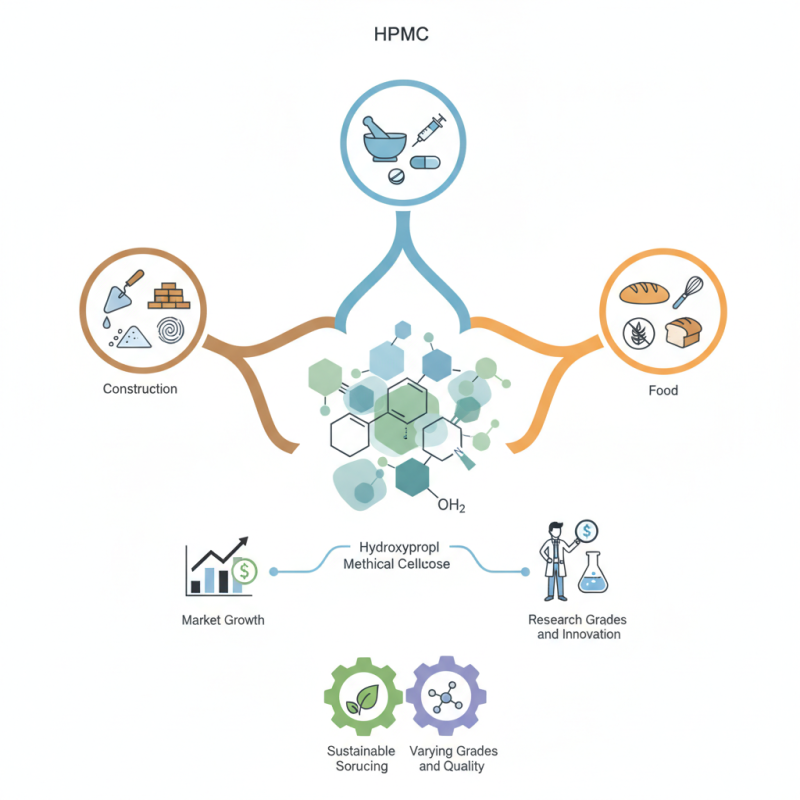
Hydroxypropyl Methyl Cellulose (HPMC) is a versatile cellulose derivative widely used across various industries, including construction, pharmaceuticals, and food. According to a recent report by Grand View Research, the global HPMC market is projected to reach $1.1 billion by 2027, showcasing its increasing demand. With its exceptional properties like water retention and viscosity, HPMC serves crucial roles in products ranging from cement mixtures to gluten-free baked goods.
Dr. Steven Thompson, an expert in polymer science, emphasizes the importance of HPMC in modern applications. He stated, "HPMC has revolutionized formulations, providing both functionality and stability." This reflects the material's growing relevance in innovation and product development. While the benefits are evident, the industry faces challenges, such as sourcing raw materials sustainably.
Furthermore, effective usage of Hydroxypropyl Methyl Cellulose (HPMC) is impacted by its varying grades. Each grade offers distinct characteristics that cater to specific needs. Addressing the needs for consistency and quality remains a priority. The multifaceted nature of HPMC highlights its significance but also encourages ongoing research and improvements in formulation practices.
What is Hydroxypropyl Methyl Cellulose (HPMC)?
Hydroxypropyl Methyl Cellulose (HPMC) is a versatile cellulose derivative. It is created by modifying cellulose fibers found in plants. This process increases its water solubility and enhances its gel-forming capabilities. HPMC is a white powder that becomes a clear, viscous solution when mixed with water.
HPMC has multiple applications in various industries. It is widely used in the food industry as a thickener and stabilizer. It helps improve the texture of sauces and dressings. In the pharmaceutical field, HPMC serves as an excipient in tablets and coatings. This makes drugs easier to swallow. Additionally, in construction, HPMC is used in mortars and adhesives to enhance workability and adhesion.
Despite its many advantages, there are areas for improvement, especially regarding its environmental impact. Producing HPMC requires energy and resources. Concerns about sustainability arise. It is important to explore eco-friendly alternatives while recognizing HPMC's unique properties and benefits in modern applications. The need for responsible development in this area remains critical.
Chemical Properties of Hydroxypropyl Methyl Cellulose
Hydroxypropyl Methyl Cellulose (HPMC) is a versatile compound derived from cellulose. It helps improve texture and stability in various formulations. Its chemical structure includes hydroxypropyl and methyl groups, making it water-soluble. The unique properties of HPMC allow it to create gels and thickening agents in products. This thickening ability plays a crucial role in enhancing the texture of food and cosmetics. HPMC is often used in applications where smoothness and viscosity are essential.
In the realm of pharmaceuticals, HPMC serves as a binder in tablets and a coating agent. Its <>non-toxic nature makes it safe for consumption. In the construction industry, HPMC improves the workability of cement and plaster. These properties contribute to better adhesion and water retention. However, the effectiveness of HPMC can vary based on concentration and formulation. Striking the right balance can be challenging, and adjustments are often needed.
The water-retaining capabilities of HPMC are beneficial for plant growth, especially in dry conditions. Using it in soil can enhance moisture retention. This makes it a valuable additive in sustainable agriculture. Despite its advantages, it requires careful handling to avoid overuse. It is crucial to understand its limitations to ensure optimal results.
Common Applications of HPMC in Various Industries
Hydroxypropyl Methyl Cellulose (HPMC) is a versatile compound. Its applications span various industries, demonstrating its adaptability. One notable use is as a thickening agent in the food industry. HPMC can help improve texture in sauces and dressings. This allows manufacturers to create products that are not only flavorful but also visually appealing.
In the construction sector, HPMC serves as an essential ingredient in mortar and tile adhesives. It enhances bonding strength and water retention. This leads to better durability in construction materials. However, its effectiveness can vary based on production processes. Companies must ensure consistent quality to maximize benefits.
The pharmaceutical industry also heavily relies on HPMC. It acts as a binder in tablet formulations. However, not all HPMC grades are suitable for all applications. Each grade has unique properties that may affect performance. This area requires careful attention and expertise to ensure optimal results. Understanding these nuances can prevent costly mistakes.
Benefits of Using HPMC in Formulations
Hydroxypropyl Methyl Cellulose (HPMC) is a versatile ingredient in various formulations. Renowned for its stabilizing and thickening properties, HPMC is widely utilized in pharmaceuticals, food products, and cosmetics. According to a report by MarketsandMarkets, the global HPMC market is projected to grow from $4 billion in 2021 to $5.5 billion by 2026. This growth underscores its increasing importance in numerous applications.
The benefits of using HPMC are numerous. Its gelling properties enhance the texture of food products, providing a smoother mouthfeel. In pharamaceuticals, HPMC serves as an effective binder in tablets, improving the consistency of drug release. Notably, HPMC is a non-toxic and biodegradable polymer, aligning with the growing trend towards sustainable ingredients in every industry. Nonetheless, the reliability of HPMC can be influenced by factors such as production conditions or raw material quality. Hence, maintaining stringent quality controls is vital for ensuring formulatory integrity.
Moreover, in personal care products, HPMC adds viscosity and stability to formulations. Its ability to form films contributes to the effectiveness of lotions and creams. However, the variances in molecular weight can lead to different performance outcomes. Thus, formulators must carefully select the appropriate type of HPMC to achieve desired effects. This nuance highlights the need for comprehensive understanding in utilizing HPMC effectively.
Safety and Regulatory Aspects of HPMC Usage
Hydroxypropyl Methyl Cellulose (HPMC) is a versatile polymer widely used in various industries. Its applications range from food production to pharmaceuticals. However, the safety of HPMC use is an essential consideration. The compound is generally recognized as safe when used appropriately.
Regulatory bodies rigorously assess HPMC for safety. In food and drugs, it must meet specific standards. These standards ensure that HPMC does not pose health risks to consumers. However, the long-term effects of ingesting HPMC are still under study. This uncertainty raises important questions about its pervasive usage in everyday products.
The potential for allergies or sensitivities cannot be overlooked. Some individuals may react to HPMC, leading to discomfort. It emphasizes the need for responsible sourcing and transparent labeling. Consumers should be aware of what they are using. While HPMC offers many benefits, cautious use is always advisable to avoid unintended consequences.
What is Hydroxypropyl Methyl Cellulose HPMC and its Uses? - Safety and Regulatory Aspects of HPMC Usage
| Aspect | Details |
| Chemical Composition | Hydroxypropyl Methyl Cellulose (HPMC) is a semi-synthetic polymer derived from cellulose. |
| Uses in Food Industry | Used as a thickener, emulsifier, and stabilizer in various food products. |
| Pharmaceutical Applications | Utilized in drug formulations for controlled release and as a binding agent. |
| Cosmetic Uses | Included in creams, lotions, and gels for its thickening and stabilizing properties. |
| Safety Profile | Generally recognized as safe (GRAS) when used as directed, with low toxicity. |
| Regulatory Status | Regulated by the FDA and EFSA; compliant with food additives regulations. |
| Environmental Impact | Biodegradable; considered environmentally friendly in application. |