Why Choose a High Temperature Data Logger for Your Monitoring Needs?
In today’s industrial landscape, monitoring temperature is critical for maintaining quality and safety. High temperature data loggers are essential tools in various sectors, including food processing and pharmaceuticals. According to industry reports, over 30% of temperature-sensitive products spoil due to inadequate monitoring.
High temperature data loggers enable precise tracking of temperature fluctuations. These devices can handle extreme conditions, ensuring accurate readings in environments where traditional sensors fail. Research indicates that companies implementing advanced monitoring solutions reduce losses by up to 25%. However, many industries still overlook the benefits of investing in such technology.
Choosing the right high temperature data logger can be challenging. With so many options available, it’s easy to make a poor choice. Users must consider factors like accuracy, durability, and data retrieval methods. As the demand for reliable monitoring solutions grows, reflecting on these considerations is crucial for optimizing operational efficiency.
Understanding High Temperature Data Loggers and Their Functionality
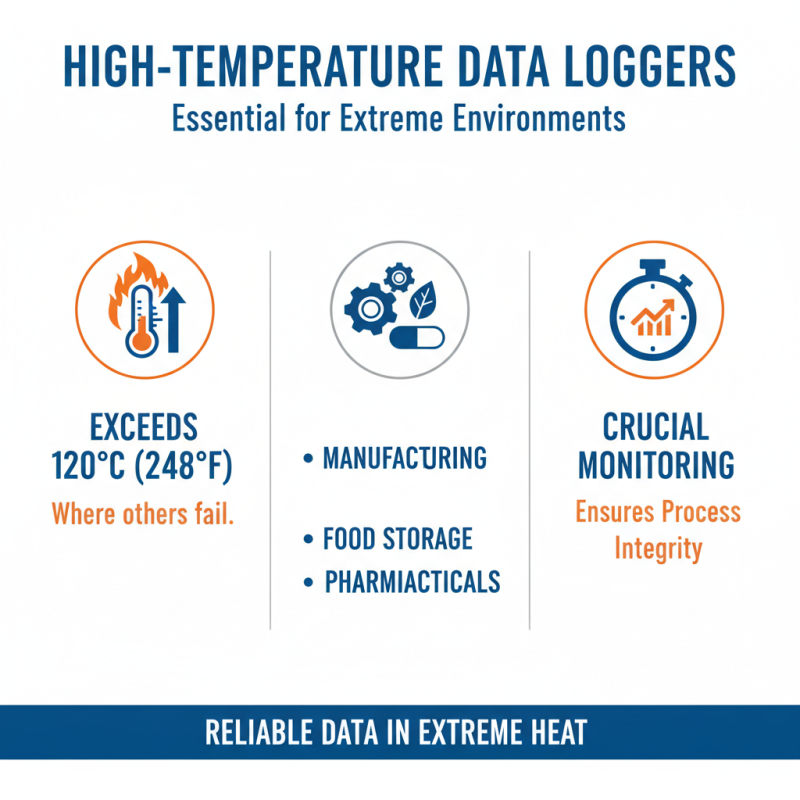
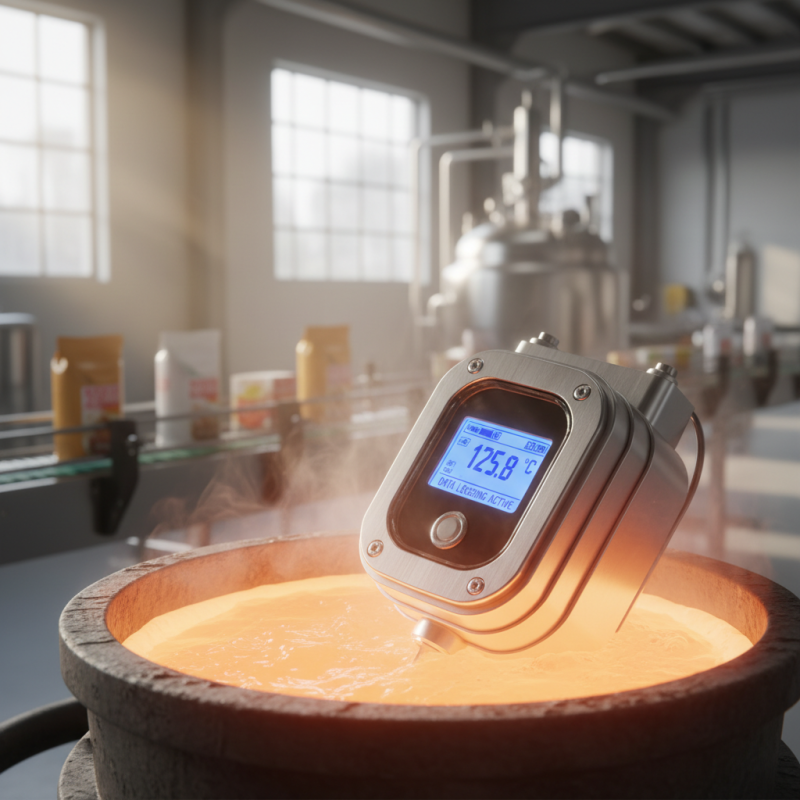
High temperature data loggers are crucial in various industries. They excel in environments where conventional loggers fail. These devices operate effectively at temperatures exceeding 120°C (248°F). They are vital for monitoring processes in manufacturing, food storage, and pharmaceuticals.
These loggers function by using thermocouples or thermistors. They record data over time, making it easy to analyze trends. According to a recent industry report, about 30% of temperature-related product failures result from inadequate monitoring. This shows the need for reliable data collection, especially in extreme conditions. Using a high temperature data logger minimizes risks.
Data accuracy can vary based on the device and environment. Many loggers are designed to manage specific challenges, such as humidity or pressure. Often, users may overlook calibration, leading to skewed results. Reports suggest that regular testing of these devices can improve reliability. It’s essential to choose the right logger for your specific monitoring needs.
Key Benefits of Using High Temperature Data Loggers in Monitoring
When it comes to monitoring extreme temperatures, choosing a high temperature data logger is crucial. These devices are designed to withstand challenging environments. They record temperature fluctuations with precision. This ensures the integrity of sensitive materials.
One key benefit is their accuracy. High temperature data loggers provide reliable readings, essential for industries like food and pharmaceuticals. They help ensure products are stored under safe conditions. Continuous monitoring prevents spoilage or damage due to temperature extremes.
**Tip:** Always check the logger’s temperature range before use. Not all loggers handle high temperatures equally.
Durability is another significant advantage. These loggers often come with robust enclosures. They resist damage from heat and environmental factors. Relying on standard loggers in such conditions may lead to inaccurate results.
**Tip:** Regularly calibrate your data logger. Over time, performance may drift, and calibration helps maintain accuracy.
In addition, many high temperature data loggers offer remote monitoring capabilities. This feature allows users to track conditions in real time, leading to faster responses. Immediate insight can save time and resources, particularly in critical applications.
Why Choose a High Temperature Data Logger for Your Monitoring Needs?
| Feature |
Benefit |
Application |
Temperature Range (°C) |
| Wide Temperature Range |
Versatile for various applications |
Industrial processes |
-40 to 125 |
| Data Accuracy |
Reliable monitoring and compliance |
Laboratory experiments |
±0.5 |
| Real-Time Data Logging |
Immediate feedback enables quick decision-making |
Environmental monitoring |
-30 to 150 |
| Data Storage Capacity |
Store large amounts of data for analysis |
Food safety |
10,000 readings |
| User-Friendly Interface |
Easy setup and operation |
HVAC systems |
-20 to 100 |
Applications of High Temperature Data Loggers Across Various Industries
High temperature data loggers are essential across various industries. They monitor environments far outside the normal range. From manufacturing to food safety, these devices offer invaluable data. In food processing, for instance, they ensure that products are stored at the right temperatures. Maintaining consistent high temperatures is crucial to prevent spoilage and ensure safety.
In pharmaceutical manufacturing, these loggers safeguard the integrity of vaccines and medications. A small deviation in temperature can ruin batches. The consequences can be severe, affecting lives and finances.
However, relying solely on high temperature data loggers can be risky. They require regular calibration and maintenance. Users must understand their limitations. Failing to do so may lead to incorrect data. This can impact decisions that rely heavily on temperature readings. Integrating these tools into existing systems requires careful consideration and training.
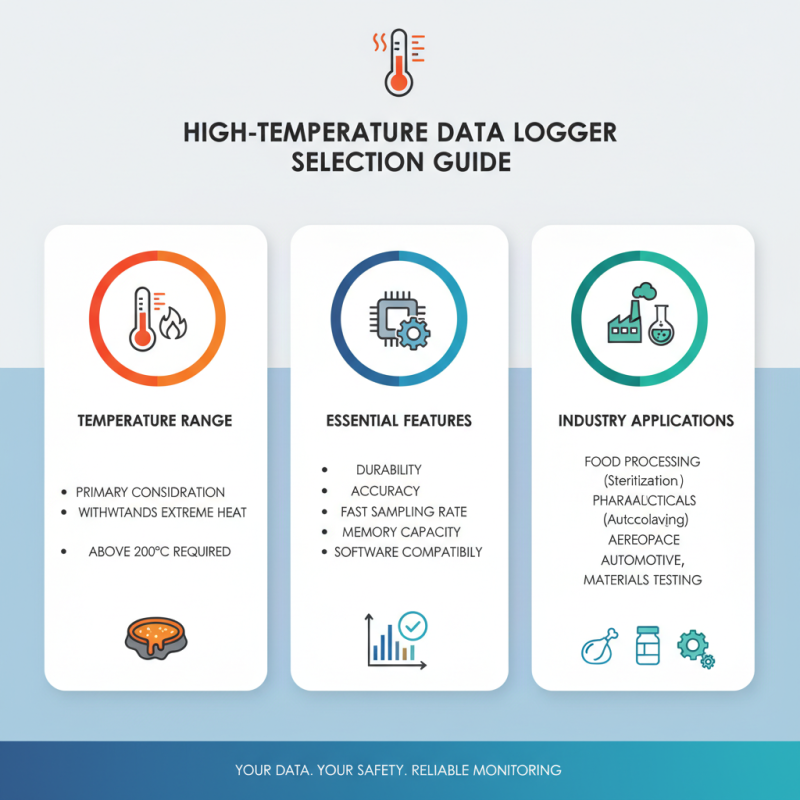
Selecting the Right High Temperature Data Logger for Your Specific Needs
When selecting a high temperature data logger, it's essential to understand your specific requirements. High temperature environments are common in industries like food processing and pharmaceuticals. According to industry research, temperatures exceeding 100°C can affect material integrity, making accurate data crucial.
Evaluate the temperature range needed for your application. Some loggers can operate from -40°C to 125°C. If you work in extreme heat, ensure the device can handle it. Data accuracy is another critical factor. Look for loggers with an accuracy of ±0.5°C or better for reliable results.
Tips: Always consider battery life, especially in high temperature settings. Short battery life can lead to data loss. Additionally, think about the recording interval. Shorter intervals provide more detailed information, but may consume more battery.
Choosing the right data logger is not just about numbers. It's about understanding how temperature fluctuations can affect your products. Analyze past performance and adjust your selection process accordingly. Keeping safety standards in mind is vital too. Sometimes, the best option might not be the most known brand but one that fits your unique needs.
Temperature Data Logger Performance Comparison
This chart compares the performance of different temperature data loggers based on their maximum recording temperature and accuracy levels. Selecting the right logger is crucial for applications that require precise temperature monitoring.