10 Essential Tips for Choosing the Right Microscope Glass for Your Needs
When selecting microscope glass, the right choice can significantly impact your research and observations. Dr. Emily Carter, a leading expert in optical microscopy, says, “Quality microscope glass is crucial for precise imaging.” This highlights the importance of understanding what to consider when making your selection.
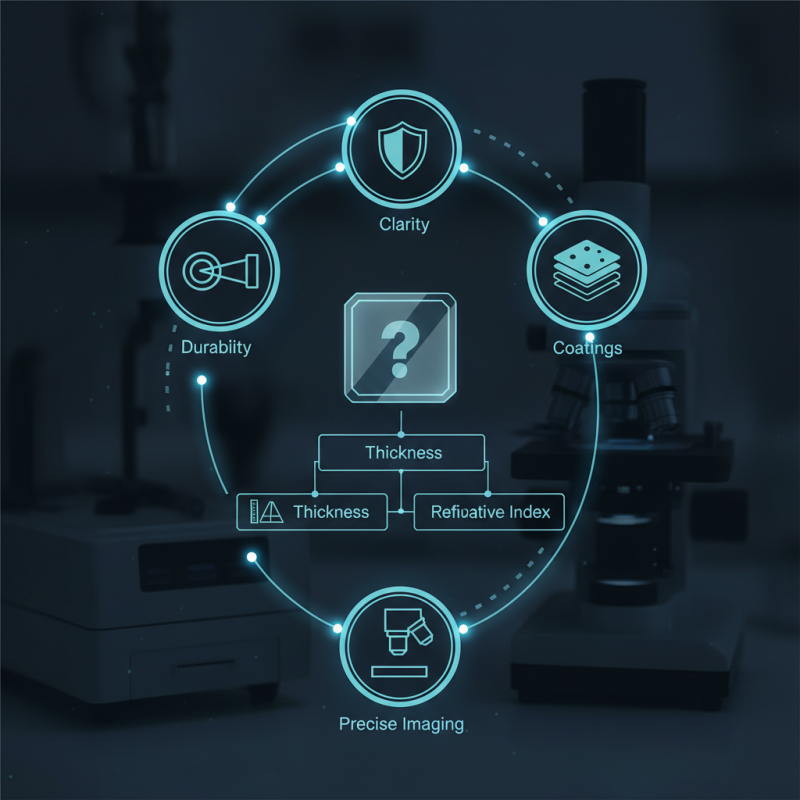
Consider factors like clarity, durability, and coatings. High-quality glass enhances light transmission and reduces distortion. However, not all options meet every need. Mistakes can occur when assumptions are made about basic features. Choose wisely, as the wrong glass can lead to frustrating results in your work.
Equipped with the right knowledge, your search becomes easier. Pay attention to specific requirements, like thickness and refractive index. Each detail matters in the quest for clarity and accuracy. As you navigate this process, remember: the perfect microscope glass truly elevates your scientific experience.
Understanding Different Types of Microscope Glass and Their Uses
When selecting microscope glass, it's crucial to understand the different types available. There are various options, each serving specific purposes. For instance, standard glass is often used for general purposes. This type is affordable but might not offer the best clarity. In contrast, quartz glass is known for its excellent light transmission. It can be more expensive yet enhances detail significantly.
Another important type is anti-reflective glass. This helps reduce glare, making observations clearer. However, while it improves visibility, it may not be suitable for all microscopy applications. Additionally, consider coated glass. Coatings can repel dust and prevent scratches, but they may wear out over time, leading to maintenance issues.
Then there are specialty glasses, like those designed for fluorescence microscopy. They filter specific wavelengths of light. These can be technical and costly. Users often find that they require extra training. Each type of glass has advantages and drawbacks. It's important to assess your needs carefully. The right choice can elevate your microscopy experience, but the wrong one can lead to frustration.
Factors to Consider When Choosing Microscope Glass for Specific Applications
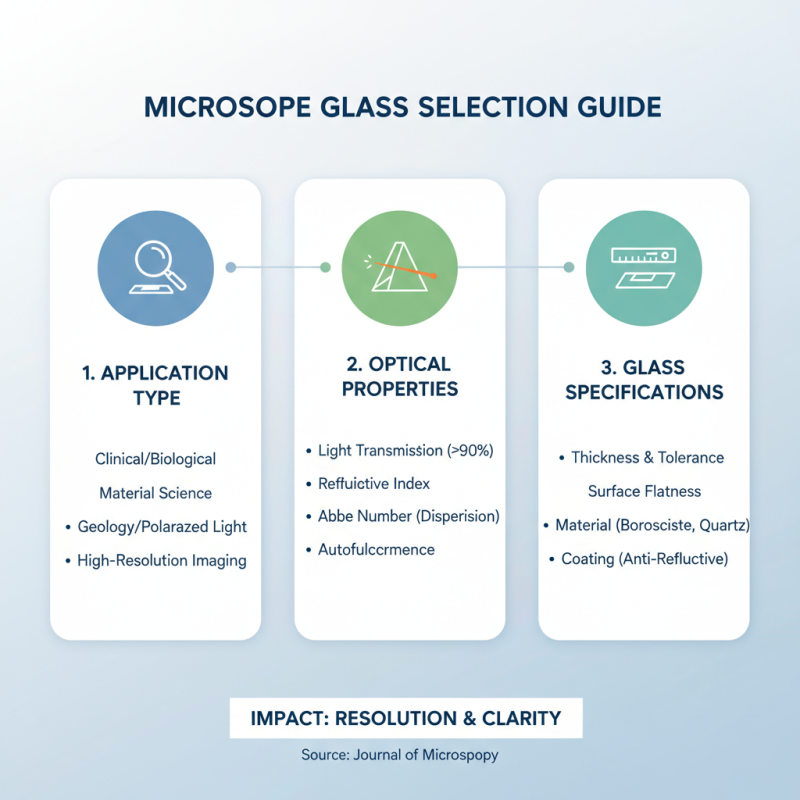
Choosing the right microscope glass can significantly impact your observations and results. Each application has unique requirements, and understanding these factors is essential. The quality of the glass affects resolution and clarity. For example, a study in the "Journal of Microscopy" highlights that up to 90% of light transmission in a microscope depends on the optical components.
When selecting microscope glass, consider the thickness. Thicker glass can introduce distortion. For high-resolution imaging, thinner options may serve better. Professional settings often require specific coatings, such as anti-reflective or anti-scratch layers. These alterations can enhance performance significantly, especially in challenging environments.
Tip: Look for glass compatible with your specimen type. Biological samples often require specialized glass that minimizes artifacts. Consider the light source as well. The wavelength can change how glass interacts with various specimens. Even minor mistakes in selection can lead to unreliable results. Evaluate the impact before making a decision.
The Importance of Magnification and Resolution in Microscope Glass Selection
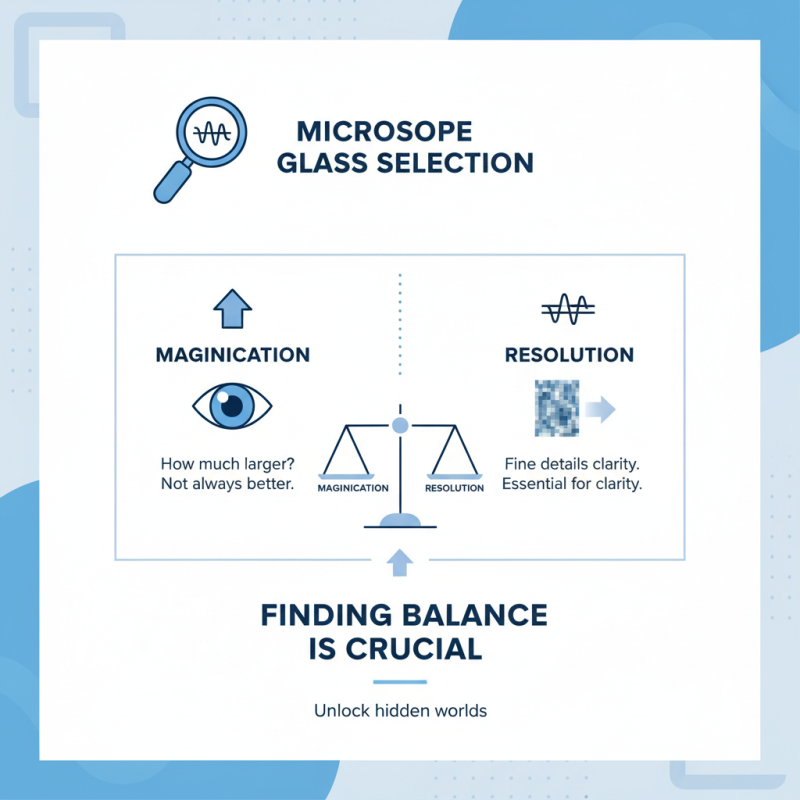
When selecting microscope glass, magnification and resolution are crucial. Magnification refers to how much larger the specimen appears. Higher magnification is not always better. A microscope can magnify an image significantly, yet if the resolution is poor, you won't see fine details. It's essential to find a balance between these two factors.
Resolution determines the clarity of the magnified image. It’s about distinguishing fine details. If you push for extreme magnification with low resolution, the image may become blurry or pixelated. Thus, understanding your specific needs is vital. For example, biologists working with cell structures need high resolution. In contrast, someone studying larger objects may not.
Setting priorities can simplify your selection. Don't just focus on numbers. Consider the types of specimens you'll examine. Be aware that different applications might require different specifications. Sometimes, after initial tests, you might wish you'd chosen differently. It's a learning process to achieve ongoing improvement in your microscope selection journey.
How to Evaluate the Quality of Microscope Glass Before Purchase
When selecting microscope glass, quality evaluation is crucial. Start by examining the clarity of the glass. High-quality glass appears transparent without visible bubbles. Check for distortions under light. Any imperfections can hinder your observations. Remember, even minor flaws matter. They can impact your overall experience.
Consider the refractive index as well. A higher refractive index often indicates better quality. It can enhance light transmission. This feature improves the visibility of your specimens. Ensure the glass is coated for anti-reflective properties. A good coat minimizes glare, allowing you to focus better.
Evaluate the thickness too. Thicker glass generally translates to durability. However, striking a balance is key. Overly thick glass might add unwanted weight. Keep your specific needs in mind when weighing these factors. Lastly, seek recommendations when unsure. Even seasoned users may overlook subtle details.
Maintenance Tips for Keeping Your Microscope Glass in Optimal Condition
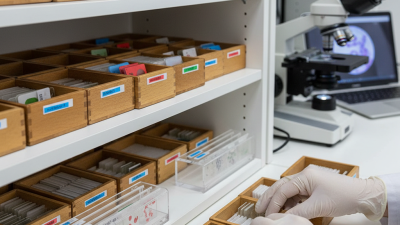
Maintaining your microscope glass is crucial for optimal performance. Regularly check for dust and smudges. Use a fine microfiber cloth for cleaning. Avoid using paper towels, as they can scratch the surface. Clean the lenses gently in a circular motion. Make sure to use proper lens cleaning solutions. Sometimes, I forget and use water, which isn't ideal.
Store your microscope in a stable environment. Extreme temperatures and humidity can damage the glass. Consider using a protective case. Dust can accumulate quickly, so cover your microscope when not in use. I often leave mine exposed, and I regret it.
Inspect the glass for scratches or chips. These can impair your view significantly. If you notice any damage, replace the component immediately. Leaving it can lead to more issues. A little attention goes a long way in preserving your equipment. Take the time to maintain your microscope glass to ensure clear and accurate observations.