Essential Food Safety Kits Tips for Every Home Kitchen?
Food safety is a critical issue in home kitchens. According to the Centers for Disease Control and Prevention (CDC), 48 million Americans suffer from foodborne illnesses each year. This staggering figure highlights the need for effective safety measures. Food Safety Kits play an essential role in preventing such risks. They equip homeowners with tools to handle food safely.
A well-stocked Food Safety Kit should include thermometers, food storage bags, and sanitizing wipes. These tools can help reduce the chances of contamination. Shockingly, many people underestimate the importance of food safety. Many kitchens lack the necessary equipment or knowledge. The USDA states that proper food handling can reduce illness by up to 30%. This makes having a Food Safety Kit in every kitchen not just beneficial, but critical.
However, not all kits are created equal. Some might lack vital components. It's important to regularly check and update your Food Safety Kit. A forgotten or outdated kit may lead to oversight. Home cooks often assume they are safe when they are not. Awareness and education about food safety practices are key. Investing in Food Safety Kits is a step toward a healthier home.
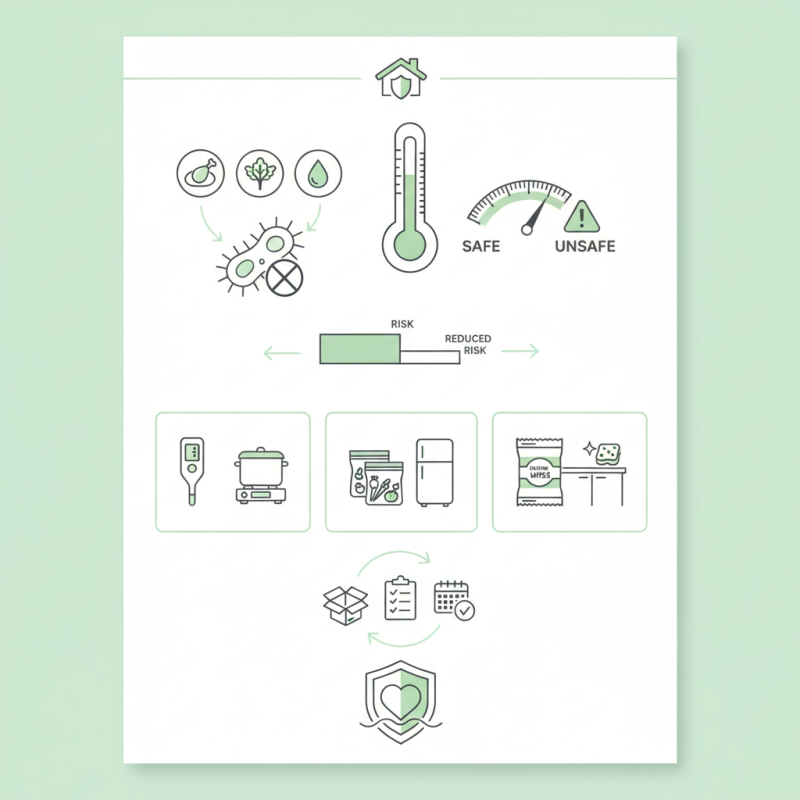
Essential Components of a Food Safety Kit for Home Kitchens
Creating a food safety kit for your home kitchen is essential. It helps to prevent foodborne illnesses. A well-prepared kit can save you time and keep your family safe. Start with the basics like a food thermometer. This gadget ensures meat is cooked to a safe temperature. It’s easy to forget this step, but it’s crucial.
Next, consider adding gloves and disposable towels. These items help maintain hygiene while preparing food. Remember to change gloves frequently. It’s a small step that makes a big difference. A clean workspace is necessary, but it’s often overlooked in busy kitchens.
Don’t forget cleaning supplies. Food-safe sanitizers are important for surfaces. They can eliminate harmful bacteria. Also, keep a first aid kit handy. Accidents happen, and having it nearby is a smart choice. Reflect on what you've included, and think about what might be missing. Regularly checking your kit will ensure you are always prepared.
Understanding the Importance of Food Safety in Your Kitchen
Food safety is crucial in every kitchen. It protects you and your family from foodborne illnesses. Basic practices can make a big difference. For instance, always wash your hands before cooking. Dirty hands can transfer harmful bacteria to food. Keeping surfaces clean is equally important. A simple wipe with a disinfectant can reduce risks significantly.
Using separate cutting boards for meats and vegetables is a must. Cross-contamination is a common mistake. Many home cooks overlook this. It only takes a small amount of raw meat juice to cause illness. Additionally, storing food at the right temperatures is vital. The fridge should be below 40°F. This inhibits bacterial growth effectively.
Reflecting on your routine can help you improve. Are you regularly checking expiration dates? Many forget this simple step. Remember, safe food handling saves lives. Emphasizing these practices will enhance your kitchen's safety. Small changes can lead to significant improvements over time. Always stay mindful of these essential tips. Your kitchen deserves it.
Step-by-Step Guide to Assembling Your Food Safety Kit
Assembling a food safety kit is crucial for every home kitchen. Start with basic items like thermometers and gloves. According to the Centers for Disease Control and Prevention, improper food handling causes 48 million illnesses annually in the U.S. A reliable food thermometer helps ensure that meats reach safe temperatures. This prevents harmful bacteria from thriving.
Consider adding cleaning supplies like disinfectants and wipes. The FDA recommends keeping surfaces sanitized to reduce cross-contamination. Having an easily accessible first-aid kit is also vital. Foodborne illnesses can lead to serious health issues. A well-stocked kit can aid in quick response to accidents in the kitchen.
Don't overlook the importance of education. Training family members on safety practices is essential. Many people are unaware of proper thawing methods or cooking techniques. Taking time to review these can save lives. Reflect on your current practices. Are you prioritizing food safety effectively? Your health depends on it.
Best Practices for Storing and Using Food Safety Supplies
When it comes to food safety in your kitchen, organizing supplies is key. Use clear containers to store items like thermometers, gloves, and cleaning agents. Label each container for easy access during meal prep. A clutter-free space helps prevent cross-contamination. A well-organized drawer saves time and minimizes mistakes.
Check supplies regularly. Some items may expire or degrade over time. A worn cutting board or damaged thermometer can compromise food safety. Replacing old supplies could feel tedious, but it’s crucial. Remember to replenish gloves and aprons before big cooking days.
Storage plays a role as well. Keep your safety kits in a cool, dry place. Avoid areas near heat sources or moisture. An unexpected damp spot can ruin essential supplies. For added caution, review safety guidelines often. Ensure everyone in the household understands their roles in maintaining kitchen safety.
Regular Maintenance and Updates for Your Food Safety Kit
Regular maintenance of a food safety kit is crucial. Experts suggest reviewing it at least twice a year. This ensures all items are functional. According to a recent study by the Food Safety Institute, about 48 million people get sick from foodborne illnesses annually in the U.S. Proper preparedness can reduce these risks significantly.
Check the expiration dates on your kit items. Expired materials may not work effectively. For instance, outdated thermometers can lead to cooking foods at unsafe temperatures. It's essential to calibrate devices regularly. An inaccurate reading can cause danger, especially in poultry handling.
Consider updating your kit with new resources. Technology changes. New guidelines emerge frequently. For example, the CDC suggested a shift in safe food handling practices last year. Many are unaware of these changes. Failing to adopt updated practices can lead to serious health risks. Regular evaluation can help close knowledge gaps. Safe cooking is a shared responsibility. Remember, a well-maintained kit saves lives.
Essential Food Safety Kits Tips for Every Home Kitchen