Essential Data Logger Tips for Global Buyers?
In the fast-evolving world of temperature monitoring, data loggers are crucial for various industries. Industry expert Dr. Emily Carter, a renowned specialist in environmental monitoring, emphasizes, "Understanding the capabilities of data loggers makes all the difference in ensuring quality control." Global buyers must navigate the complexities of selection and usage to maximize the benefits of these devices.
With an array of data loggers available, each designed for specific applications, buyers face challenges. For instance, choosing the right type, such as USB, wireless, or multi-channel, can be daunting. Additionally, compatibility with existing systems plays a significant role in decision-making. The need for accuracy and reliability in data collection cannot be overstated; even minor errors can lead to significant issues down the line.
Moreover, potential buyers should reflect on factors beyond technical specifications. Understanding the brand's reputation, customer support, and user reviews requires careful consideration. Some users overlook these aspects, focusing solely on price. This approach can lead to dissatisfaction and unexpected challenges. Striking the right balance between cost and quality is essential for long-term success in managing data logging needs.
Understanding the Basics of Data Loggers for Global Markets
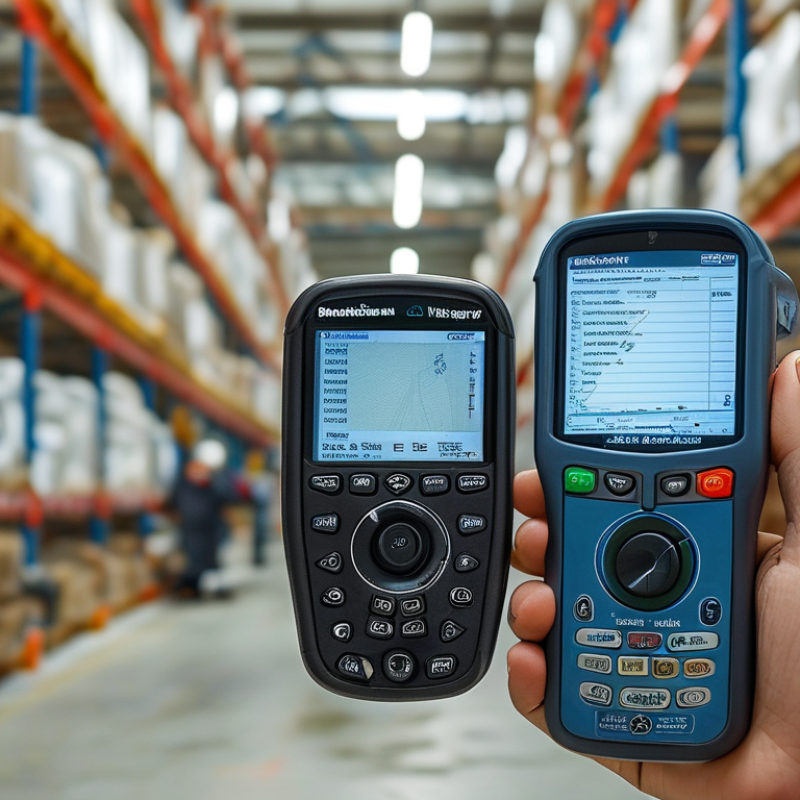
Understanding the basics of data loggers is crucial for global buyers. Data loggers are devices that monitor environmental conditions over time. They measure parameters such as temperature, humidity, and pressure. Understanding their functions helps businesses in various sectors, including pharmaceuticals and food safety. According to a recent market report, the global data logger market is expected to grow by over 5% annually, reflecting increasing demand.
For buyers, selecting the right data logger involves assessing compatibility and specifications. Not all loggers suit every application. Some may lack features necessary for specific environments. Industry reports emphasize the importance of understanding different data storage options. Whether onboard memory or cloud storage, knowing these details can make a significant difference in data accessibility.
Buyers should also be mindful of calibration and accuracy. Inaccurate data can lead to significant issues. According to a 2022 study, nearly 30% of companies reported problems due to faulty measurements. Investing in reliable data loggers ultimately enhances product quality and compliance with regulatory standards. Understanding these essentials can help buyers make informed choices.
Key Features to Consider When Choosing a Data Logger
When selecting a data logger, several key features can significantly impact performance. Accuracy is crucial; a precise sensor ensures reliable readings. Look for models that offer high-resolution data points. A reliable data logger should also support various temperature ranges, catering to your specific needs. Compatibility with different environments adds value, making them versatile tools for diverse applications.
Consider connectivity options as well. Wireless capabilities allow for easy data transfer. Some loggers integrate with cloud services, enabling real-time monitoring. Battery life is another essential aspect; it dictates how long your device can operate without interruptions. A logger with an extended battery life reduces the hassle of frequent replacements.
User-friendly interfaces can enhance functionality, but many loggers fall short in this area. Complicated setups may lead to errors and inefficiencies. It's vital to assess the software that accompanies the logger. It should facilitate data analysis, yet many products can leave users frustrated with complex features. Reflecting on these aspects can guide you in making a well-informed decision.
Navigating Regulatory Standards for Data Loggers Worldwide
Navigating regulatory standards for data loggers is crucial for global buyers. Each country has its own set of rules. Understanding these regulations ensures compliance and avoids costly mistakes.
Many industries rely on data loggers for monitoring temperature and humidity. Yet, standards vary widely. For instance, healthcare may require rigorous documentation, while food storage has its own protocols. Buyers should research the specific requirements of their target markets. This helps in selecting the appropriate data logger model that meets local guidelines.
It’s important to keep in mind the following tips. Always check for certifications that indicate compliance. Look for devices that have undergone third-party testing. Communication with local authorities can clarify ambiguous regulations. A reliable data logger not only tracks data but also supports legal obligations. Buyers can trust products that are widely recognized in the industry.
Maintaining an up-to-date knowledge base is essential. Regulations can change, and staying informed is a continuous process. Mistakes can lead to fines or product rejection. Prioritize reliable sources of information and remain flexible in your approach.
Tips for Selecting Suppliers and Manufacturers for Data Loggers
When selecting suppliers and manufacturers for data loggers, experience is key. Look for companies with a solid track record. Assess their industry exposure and years of operation. Reliable suppliers often have testimonials or case studies. This can provide insights into their performance.
Tip: Consider the sourcing process carefully. Evaluate minimum order quantities. Smaller batches can help you gauge quality without significant investment. Additionally, inquire about compliance with industry standards. Certifications can indicate adherence to quality benchmarks.
Another essential aspect is communication. Suppliers should be responsive and transparent. Requesting samples can help you assess their products firsthand. Make sure to ask questions about technical support. A helpful team can guide you through potential challenges. Building a strong relationship is crucial for future collaborations.
Data logger suppliers should have robust after-sales service. This ensures any issues are handled efficiently. Always check for warranty and repair policies before making a decision. Thoughtful consideration of these factors can greatly impact your purchase success.
Essential Data Logger Tips for Global Buyers
| Dimension |
Details |
| Temperature Range |
-40°C to +125°C |
| Measurement Accuracy |
±0.5°C |
| Battery Life |
Up to 3 years |
| Data Logging Interval |
1 second to 1 hour |
| Connectivity Options |
USB, Bluetooth, Wi-Fi |
| Size and Weight |
Compact size, 100 grams |
| Environmental Rating |
IP67 (waterproof and dustproof) |
| Calibration Standards |
Traceable to NIST |
| Warranty Period |
2 years |
| Support and Documentation |
Comprehensive user manuals and online support |
Best Practices for Using Data Loggers Across Different Industries
When utilizing data loggers across various industries, understanding specific best practices is crucial. In the food industry, for example, temperature and humidity control are vital. Keeping a consistent check on these parameters helps ensure product safety. Using data loggers that provide real-time alerts can prevent spoilage and enhance quality control. Be aware of the calibration needs. Failing to calibrate these devices may lead to inaccurate readings.
Healthcare also greatly benefits from data loggers. Monitoring environmental conditions in storage areas for medications is essential. A simple misreading can compromise lives. Regularly reviewing data history can unveil trends, signaling potential issues before they escalate. Engaging with team members to understand their experiences with this technology can result in practical insights, improving overall reliability.
In manufacturing, data loggers can optimize processes. Keeping track of machine temperatures and operational efficiencies can lead to better performance. Mistakes often arise from overlooking minor details, such as placement or battery levels. Ensuring devices are set in ideal conditions enhances data accuracy. Sharing lessons learned can foster a culture of continuous improvement, benefiting the whole organization.