How to Choose the Right Urine Container for Your Needs in 2026?
Choosing the right urine container is crucial for various medical and personal needs. In 2026, the market offers many options. Dr. Sarah Thompson, a leading expert in medical supplies, once said, “Selecting the right urine container can make all the difference in patient comfort and results.” This statement emphasizes the importance of careful choice.
A urine container must meet specific requirements. It should be durable and leak-proof to prevent any spillage. Many containers come with a secure lid, ensuring safety during transport. When using a container, consider factors like size and ease of handling. Some find larger containers cumbersome, while others prefer them for convenience.
Additionally, users need to reflect on their needs. Not every container works for every situation. Some may find themselves struggling with complicated measuring tools. Thus, selecting the right urine container is not just about picking any option off the shelf. It reflects personal comfort, necessity, and practicality. Understanding these elements can greatly enhance the experience.
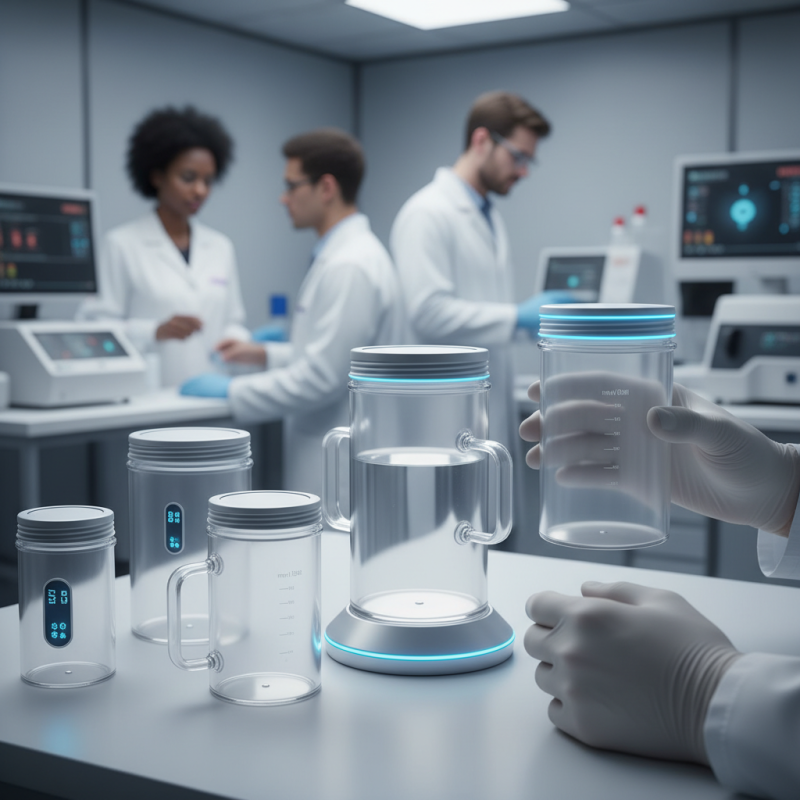
Understanding Different Types of Urine Containers Available in 2026
Choosing the right urine container in 2026 can be tricky. There are various types available, each designed for specific needs. Knowing the differences can help you make an informed decision.
Plastic containers are commonly used. They are lightweight and durable. Many have easy-to-read measurement markings. However, some may not be as leak-proof as expected. Always check the seal before use.
Glass containers offer stability. They are chemical-resistant and provide excellent durability. However, they can be heavy and breakable. Consider your mobility before selecting glass.
**Tips: Use a container with a secure lid. This prevents spills during transport. Always label your container clearly. It helps avoid confusion.**
Other innovative options include compostable materials. These are eco-friendly but may sacrifice durability. Reflect on your priorities when choosing. Each option has its pros and cons, so weigh them carefully.
Urine Container Types and Their Popularity in 2026
Key Factors to Consider When Choosing a Urine Container
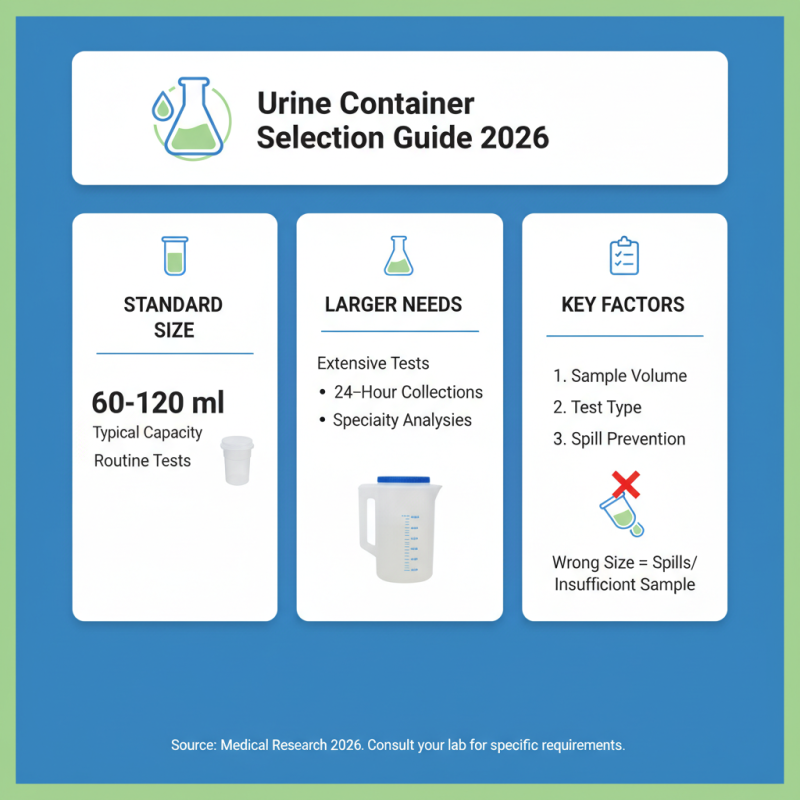
When selecting a urine container in 2026, several key factors come into play. Size and capacity are critical elements. Standard urine containers typically hold 60 to 120 milliliters, but your needs may vary. Some studies indicate that larger containers are needed for extensive urine tests. Choosing the wrong size can lead to spills or insufficient sample collection.
Material is another vital consideration. Common options include plastic and glass. Plastic is often lighter and less likely to break, but studies show that certain chemicals can leach into samples from plastic containers. Glass, while more rigid, can be heavy and risk shattering during handling. Evaluating the tests you are performing is essential.
Sterility is non-negotiable. Containers must be sterile to avoid contamination in urine samples. Research indicates that contaminated samples can lead to inaccurate results 30% of the time. You may also want to explore additional features, such as a wide mouth for easier use. Consider the ease of sealing and labeling too. An ill-fitting lid can compromise your sample's integrity. Choosing the right container is about more than just convenience; it's about ensuring accurate results.
Evaluating Material Options for Urine Containers: Pros and Cons
When selecting a urine container, material plays a key role. Plastic is commonly used. It is lightweight and durable, making it a popular choice. However, plastic can interact with certain chemicals. This may compromise your sample integrity. Glass is another option. It is non-reactive and sterile. However, glass containers can be heavy and breakable. Users need to consider their handling and transportation needs.
Metal containers are less common but offer unique benefits. They are robust and often reusable. Still, they can be more expensive. It's important to think about the environmental impact, too. Some materials are recyclable, while others end up in landfills. Biodegradable options are becoming available, yet their effectiveness is still under scrutiny.
More choices emerge every year, prompting more questions about quality and usability. Users often struggle with ensuring sterility. Common errors include not sealing containers properly or failing to follow guidelines. Every option has pros and cons; finding the right balance requires reflection and understanding. Test different materials and see which fits your scenario best.
Assessing Size and Capacity Requirements for Your Specific Needs
When choosing a urine container in 2026, understanding size and capacity is crucial. Different tests require varying volumes. Standard containers range from 50 mL to 1200 mL. Selecting the right size ensures accurate results and avoids potential contamination.
Consider your specific needs. For instance, a routine urinalysis typically requires 30 to 60 mL of sample. In contrast, 24-hour urine collections may need up to 1200 mL. Not meeting these capacity requirements could lead to incomplete testing.
Tip: Always check guidelines for required sample sizes. Documentation from health organizations indicates mislabeling can skew results. Do you know the minimum volume for your tests? This oversight could compromise your health outcomes.
Also, be aware of handling and transport requirements. Containers must withstand certain conditions during sample collection and testing. Testing facilities often prefer containers with clear graduation marks for precise measurements.
Tip: Opt for containers that provide clear markings. It can prevent confusion during analysis. A well-selected container minimizes the chances of error, but we must ensure proper usage. Reflect on past experiences. Have you faced challenges with size or capacity?
Identifying Safety and Sterility Features in Modern Urine Containers
Choosing the right urine container is crucial, especially in 2026. Safety and sterility are the top priorities. Modern urine containers often incorporate advanced materials and designs. Reports show that over 30% of urine sample contamination can be traced back to inadequate container sterility. This data emphasizes the need to evaluate safety features.
Look for containers made from BPA-free materials. This ensures no harmful chemicals leach into samples. Sterile packaging is also essential. Inspect seals carefully. Containers with tamper-evident features help maintain integrity. They offer peace of mind in collection and storage.
Tip: Always check the expiration date on the packaging. Using outdated containers can compromise test results. Also, consider ease of handling. Ergonomic designs can prevent spills and make the process smoother.
Seek containers with clear labeling. Mistakenly using an unsterilized or wrong container can lead to unreliable results. Pay attention to the size too. Larger containers may seem convenient, but they can be cumbersome. Keep safety and sterility at the forefront when making your choice.
How to Choose the Right Urine Container for Your Needs in 2026? - Identifying Safety and Sterility Features in Modern Urine Containers
| Feature |
Description |
Importance |
Recommended Usage |
| Material |
BPA-free plastic or glass for safety |
Minimizes chemical exposure |
Routine urinalysis |
| Sterility |
Pre-sterilized containers |
Ensures accurate test results |
Clinical testing |
| Capacity |
Varies from 60ml to 120ml |
Meets diverse testing needs |
Specific urine tests |
| Sealing Mechanism |
Secure screw or snap lids |
Prevents leaks and contamination |
Transporting samples |
| Labeling Area |
Clear space for patient information |
Supports proper identification |
Identifying samples |