Essential Tips for Choosing the Right Orthodontic Adhesive System?
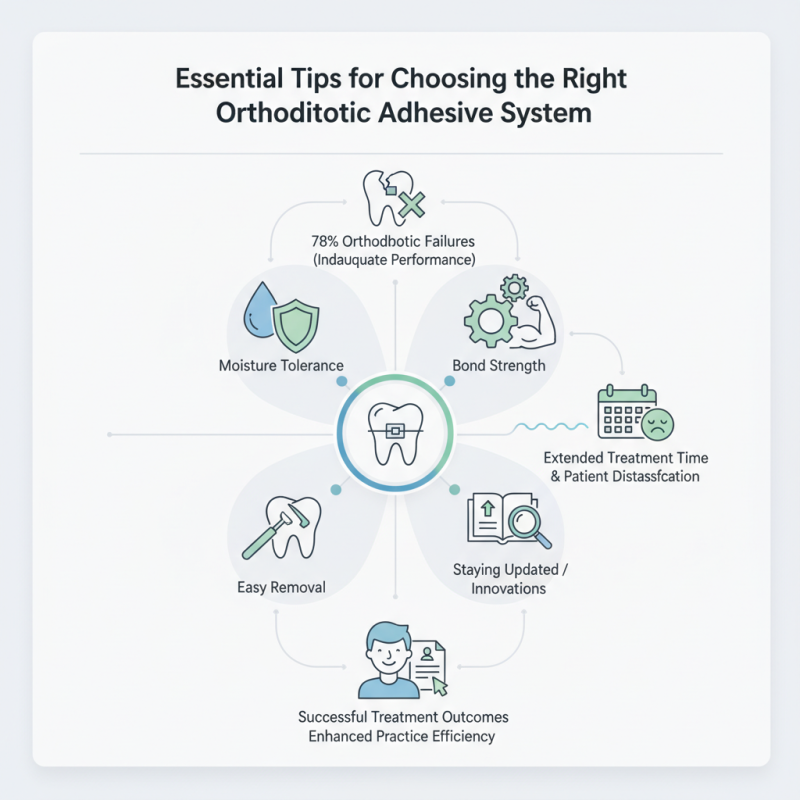
Choosing the right Orthodontic Adhesive System is crucial for successful orthodontic treatments. According to a report by the American Journal of Orthodontics, 78% of orthodontic failures stem from inadequate adhesive performance. Selecting the appropriate adhesive affects treatment outcomes significantly. A poorly chosen system can lead to bracket failures, extended treatment time, and patient dissatisfaction.
Dr. Emily Johnson, a leading expert in orthodontics, states, "The right adhesive system can enhance bond strength and optimize patient comfort." She emphasizes the importance of understanding the unique properties of various adhesives. Factors like moisture tolerance, bonding strength, and easy removal must be considered.
Despite advancements, many orthodontists still struggle with adhesive choices. Some may rely on their past experiences without fully evaluating new options. This approach can be risky. Keeping abreast of innovations in the Orthodontic Adhesive System market is essential for achieving the best patient outcomes and enhancing overall practice efficiency.
Understanding the Different Types of Orthodontic Adhesive Systems
Choosing the right orthodontic adhesive system is crucial for successful treatments. Various types of adhesive systems exist, each with unique features and benefits. Knowledge about these systems can greatly impact patient outcomes.
For example, light-cure adhesives are popular due to their easy application and quick setting time. However, they may not bond as strongly as chemically-cured options. On the other hand, chemically-cured adhesives provide robust strength but take longer to set. Consider the specific needs of your patient. These preferences can impact your choice greatly.
When selecting an adhesive system, pay attention to the working time. A longer working time allows for adjustments during bonding. However, it can lead to mistakes if not managed properly. You might find that your first choice is not perfect upon reflection. It's essential to analyze your options carefully and trust your instincts. Each adhesive will behave differently based on the situation, and what works for one case may not for another.
Essential Tips for Choosing the Right Orthodontic Adhesive System
Key Factors to Consider When Choosing an Orthodontic Adhesive
Choosing the right orthodontic adhesive system is crucial. Several key factors significantly impact your decision. Adhesive strength is essential. A study found that improper adhesion can weaken brackets, leading to treatment delays. Instead of using trial and error, select adhesives known for reliable bonding.
Consider the setting time. A system with a longer working time allows for precise bracket placement. A report indicated that incorrect positioning can occur in about 25% of cases due to rushed procedures. Maintaining precision helps avoid costly adjustments later.
Patient comfort should also be a priority. Some adhesives may cause sensitivity or irritation. Choosing a system that minimizes this risk is vital. On average, 30% of patients report discomfort linked to adhesive use. Lightweight options may enhance the overall experience for patients.
Benefits and Drawbacks of Common Orthodontic Adhesives
When selecting an orthodontic adhesive, understanding the benefits and drawbacks is crucial. Common adhesives include resin-based and glass ionomer systems. According to the American Journal of Orthodontics and Dentofacial Orthopedics, resin-based adhesives provide superior bonding strength. Yet, they also present challenges related to debonding and potential enamel damage. Studies indicate that about 20% of patients experience some level of enamel etching.
Glass ionomer adhesives offer some advantages. They release fluoride, which can help prevent decay. However, their bond strength is typically lower than that of resin-based options. This may lead to higher failure rates, particularly in patients with poor oral hygiene. A clinical report from the Journal of Clinical Orthodontics noted that around 30% of cases using glass ionomer adhesives resulted in bond failures.
Orthodontists often face the dilemma of choosing the right adhesive. They must consider the trade-offs involved. Factors such as patient age, oral health, and treatment duration play a role in decision-making. An adhesive that works well for one patient may not be effective for another. Balancing durability and patient comfort is essential but sometimes elusive. Each adhesive type has qualities worth contemplating before making a final choice.
Application Techniques for Optimal Adhesive Performance
Choosing the right orthodontic adhesive system is crucial for successful treatments. Application techniques play a significant role in achieving optimal adhesive performance. One key practice is ensuring proper surface preparation. Cleaning the tooth surface removes debris, saliva, and plaque. This step is often overlooked, yet it is essential for adhesion.
Another important technique involves precise application. Use a thin, even layer of adhesive. Avoid over-application, as too much adhesive can lead to bonding failures. A clean, controlled technique prevents excess overflow. Take your time; rushing through this process can create problems down the line.
Curing times are critical. Adhering to the manufacturer's guidelines can help achieve the best results. Some clinicians may underestimate these times, which could compromise bond strength. Testing different curing lights can also help; some work better than others. There are no one-size-fits-all methods;
Maintaining and Managing Orthodontic Adhesive Results
Choosing the right orthodontic adhesive system is crucial for effective treatment. However, even the most reliable adhesives require proper maintenance. Regular checks on the bond strength can prevent potential issues. Patients should be aware of their dietary habits. Certain foods may compromise the adhesive's effectiveness. Sticky candies or hard snacks could weaken the bond over time.
Managing adhesive results goes beyond initial application. Periodic assessments can identify early signs of bond failure. Using appropriate tools ensures minimal impact on the existing adhesive. If the bond begins to weaken, it’s essential to address it promptly. Overlooking small issues may lead to larger problems later. Communication with patients about their responsibilities is vital. Educating them on oral hygiene can prolong the success of the adhesive.
Sometimes, even when everything seems perfect, problems arise. Consider revisiting the choice of adhesive system if issues persist. Reflection on previous choices may yield better results for future treatments. Being open to change can lead to improvements. Adjusting methods based on feedback ensures ongoing success with orthodontic treatments.
Essential Tips for Choosing the Right Orthodontic Adhesive System - Maintaining and Managing Orthodontic Adhesive Results
| Adhesive Type | Setting Time | Shear Bond Strength (MPa) | Ease of Removal | Color Stability |
| Light-Cured Adhesive | 30 seconds | 8-12 | Moderate | Excellent |
| Self-Adhesive | No curing required | 6-10 | Easy | Good |
| Total-etch Adhesive | 2-3 minutes | 10-15 | Difficult | Fair |
| Partial-etch Adhesive | 1-2 minutes | 9-13 | Moderate | Good |