Why Choose a Diode Laser Machine for Your Business Needs?
In today’s competitive market, choosing the right equipment can make or break a business. Dr. Emily Chen, a leading expert in laser technology, states, “A Diode Laser Machine is not just a tool; it’s an investment in precision and efficiency.” This insight encapsulates the growing trend among businesses to adopt diode laser technology for various applications.
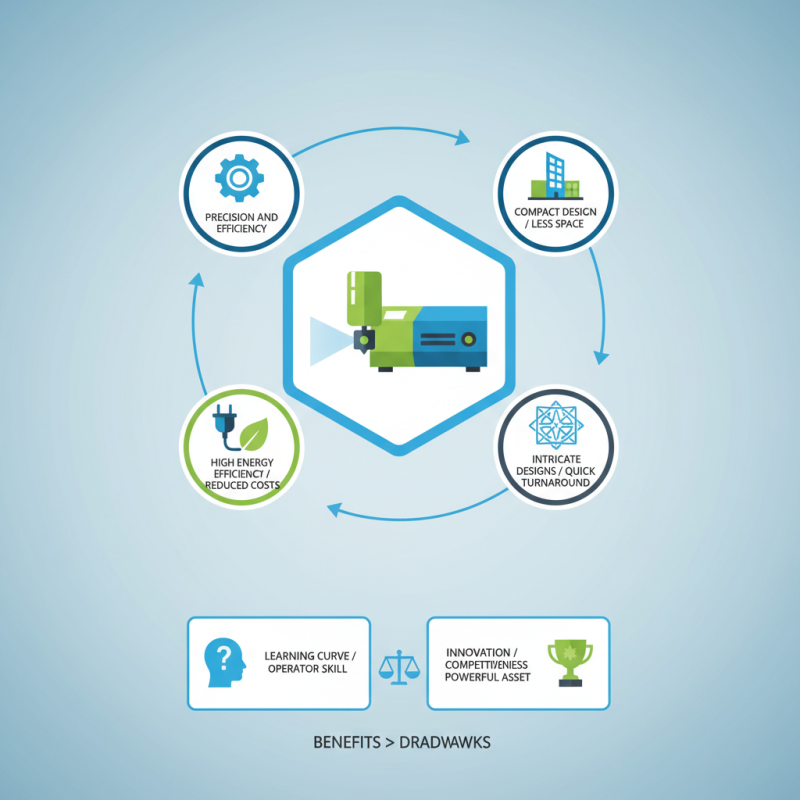
A Diode Laser Machine offers numerous advantages that cater to diverse industries. Its compact design requires less space, making it ideal for small workshops. Additionally, these machines provide high energy efficiency, translating to reduced operational costs. However, many businesses overlook the initial learning curve associated with this technology. The quality of output depends heavily on operator skill and machine calibration, which requires proper training and knowledge.
Despite these challenges, the benefits often outweigh the drawbacks. The capability to achieve intricate designs and quick turnaround times is vital in maintaining competitiveness. As businesses strive for innovation, the Diode Laser Machine stands as a powerful asset. Investing in this technology could prove essential for those ready to up their game.
Benefits of Diode Laser Machines in Modern Business Applications
Diode laser machines are gaining popularity in various industries. Their precision and efficiency make them essential for businesses. These machines offer high-speed processing with minimal heat, reducing the risk of material damage. Many companies find that they can work faster and produce higher-quality results.
In addition to speed, diode lasers are versatile. They can cut, engrave, or mark different materials, from metals to plastics. This flexibility allows businesses to expand their service offerings without significant additional investment. However, some users might struggle with initial setup or software integration. It’s important to understand the learning curve involved.
Cost-effectiveness is another benefit. Diode laser machines generally have lower operational costs compared to other types of lasers. They consume less energy and require minimal maintenance. Still, businesses should evaluate if the initial investment aligns with their long-term goals. Understanding your specific needs is key to making the right choice.
Adopting this technology could enhance productivity, but a well-planned approach is essential for success.
Cost-Effectiveness: Savings with Diode Laser Technology Over Time
Investing in a diode laser machine brings significant cost savings over time. These machines are known for their energy efficiency. They consume less power compared to traditional laser systems. This translates to lower utility bills, making them a smart choice for businesses.
Maintenance is another area where diode lasers shine. They often require less frequent servicing due to their durable design. This reduces downtime, allowing operations to run smoothly. Businesses save money that would otherwise go to repairs and lost revenue. Employees can focus on productivity rather than equipment issues.
While the initial investment might seem high, the long-term benefits outweigh this concern. Diode lasers have longer lifespans and operate at lower costs. This allows businesses to allocate funds to other essential areas. However, it’s important to assess specific needs before making a purchase. Tailoring the right technology to your business is crucial for maximizing returns.
Versatility: Wide Range of Applications for Different Industries
Diode laser machines have gained traction across various industries due to their versatility. From engraving intricate designs to cutting hard materials, these machines cater to diverse business needs. Their ability to produce precise results makes them ideal for both small-scale workshops and large manufacturing facilities. Consequently, businesses investing in diode laser technology can target multiple sectors, enhancing their service offerings.
The applications of diode lasers are wide-ranging. They can be employed in industries such as textiles, jewelry, and signage. For example, textile manufacturers use them for precise cutting and detailing. Jewelry makers benefit from their ability to create detailed engravings on metals without damaging the material. However, it’s important to recognize that each industry has its unique challenges. Not all materials respond well to diode laser treatment. This variability may necessitate further training and research to refine techniques.
Choosing a diode laser machine means embracing flexibility in production. Equipment can often accommodate different materials and techniques, from engraving to cutting. This adaptability allows businesses to innovate but also requires ongoing learning and adjustments. As companies explore these technologies, it's crucial to remain aware of limitations and equipment maintenance needs.
Efficiency and Speed: Enhancing Productivity with Diode Lasers
In today’s fast-paced business world, efficiency is vital. Diode laser machines enhance productivity through their rapid processing capabilities. These machines use advanced technology to deliver precise and quick results. Notably, they excel in various applications, from cutting materials to engraving intricate designs. Businesses can complete projects faster, allowing for greater throughput.
Tips for maximizing diode laser efficiency include regular maintenance and calibration. Scheduled check-ups can prevent performance dips and costly downtime. Additionally, understanding the materials you work with is crucial. Some materials respond better to specific power settings. Experimenting with different configurations may lead to improved results.
Speed is not the only benefit. Diode lasers consume less energy compared to traditional laser systems. This can contribute to cost savings over time. However, businesses should also consider the limitations. While diode lasers are versatile, they may not be suitable for every application. Reflect on your unique needs before making a decision. Balancing efficiency with the right choice is essential for sustainable growth.
Quality and Precision: Why Diode Lasers Offer Superior Results
Diode laser machines stand out for their ability to deliver quality and precision in various applications. These lasers operate on a principle that utilizes semiconductor technology, making them highly efficient and adaptable. Reports indicate that they provide better beam quality and focus compared to traditional laser systems. This results in finer cuts and less heat-affected zones, leading to superior finishes in materials.
Data from industry analyses confirm that diode lasers can achieve a cutting speed increase of up to 30%. This enhancement optimizes manufacturing processes, reducing time and material waste. These fast and accurate cuts can elevate operational productivity. However, users must consider the learning curve associated with the technology and ensure adequate training for staff.
Tips: Regular maintenance is essential for maximizing performance. Clean lenses and check alignment frequently. Also, evaluate the specific needs of your business. Not every application requires high power; sometimes, lower power settings yield better results in delicate tasks. Finding the right balance is crucial.