Best UHF RFID Textile Solutions for Global Buyers?
The demand for efficient tracking solutions in the textile industry is on the rise. uhf rfid textile technologies offer innovative answers to various challenges. These solutions enhance inventory management and streamline production processes, benefiting manufacturers and retailers alike.
As global buyers explore UHF RFID textile options, understanding their unique advantages is essential. Integrating these systems can significantly reduce labor costs and enhance supply chain transparency. Yet, selecting the right provider can be daunting, given the vast array of choices available.
Buyers must consider factors such as the reliability of tags, read ranges, and integration capabilities. Quality and durability are crucial for textile applications. Despite the benefits, some implementations may face challenges, such as technical glitches or cost concerns. Buyers should be prepared to reflect on these potential pitfalls when choosing their UHF RFID textile solutions.
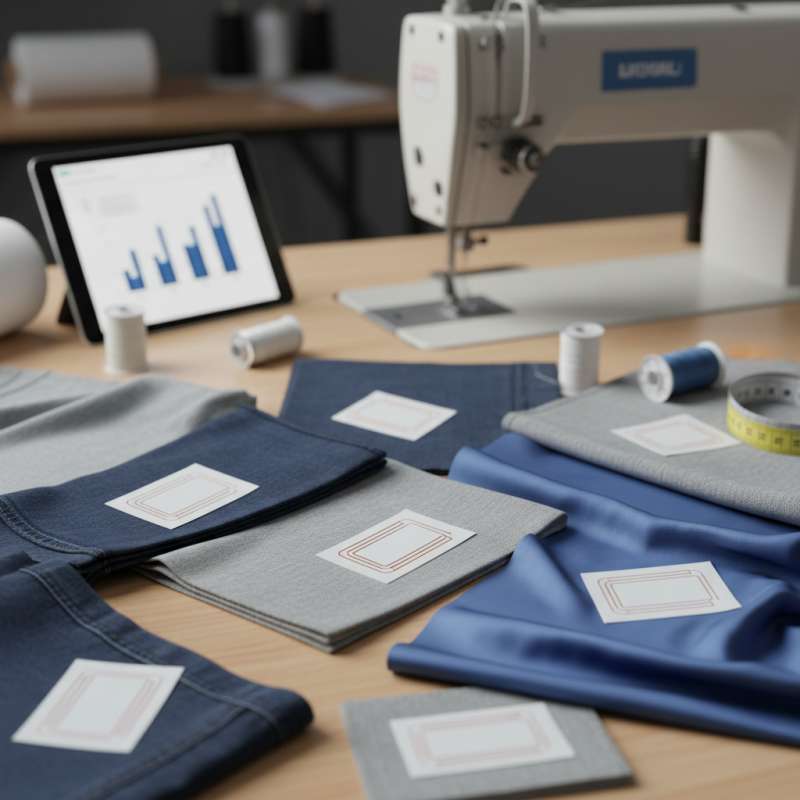
Best Practices for Implementing UHF RFID in Textile Industry
Implementing UHF RFID in the textile industry involves several best practices that maximize efficiency. Start by assessing the specific needs of your operations. Each textile operation is different. Conducting a thorough analysis helps identify areas where UHF RFID can make the most impact. This could range from inventory management to enhancing supply chain visibility.
Choosing the right tags is essential. Consider the materials and environments where these tags will be used. Textile products often face various conditions, such as moisture or temperature changes. Selecting durable tags ensures reliable performance over time. Regularly test these tags under real-world conditions. Monitoring their performance is crucial for continued effectiveness.
Training staff is another critical aspect. Empower employees by providing thorough training on new systems. They should understand how to utilize UHF RFID technology effectively. This keeps processes running smoothly. Implementing feedback loops can help identify hurdles, allowing for ongoing improvements. Reflecting on these challenges is necessary to refine practices.
Key Features to Look for in UHF RFID Textile Solutions
When selecting UHF RFID textile solutions, buyers should focus on several key features. The ability to read tags from a distance is essential. This capability enhances inventory management and tracking efficiency. Look for systems with high read accuracy to minimize errors. Poor accuracy can lead to significant operational challenges.
Another important aspect is durability. RFID tags need to withstand various environmental factors. This includes exposure to water, heat, and abrasion. Tags that fail in harsh conditions can disrupt the supply chain. Choose solutions with proven performance in extreme environments.
Tip: Always request real-world performance data. This helps to establish reliability.
User-friendliness is crucial in RFID systems. A complicated interface can lead to user errors. Ensure that the solution is compatible with existing inventory systems. Seamless integration simplifies the adoption process.
Tip: Consider attending demos. This allows you to gauge ease of use firsthand.
Moreover, scalability should not be overlooked. Businesses often grow or change their needs. A flexible solution can adapt to these changes without needing a complete overhaul. Evaluate how solutions can expand with your business.
Tip: Discuss long-term growth during consultations. Understanding future needs is vital.
Major Players in the UHF RFID Textile Market and Their Innovations
The UHF RFID textile market is rapidly evolving, with major players driving innovations across various sectors. Recent reports indicate that the global UHF RFID market is projected to reach USD 6.65 billion by 2025, indicating a compound annual growth rate of 15.2%. Such growth underscores the increasing demand for efficient inventory management solutions in textiles.
Key players have introduced advanced tagging technologies that significantly enhance tracking capabilities. For instance, new RFID tags are now more resistant to environmental factors, ensuring reliability in various conditions. These innovations aim to improve supply chain visibility. In turn, this can reduce losses that, according to industry estimates, account for 30% of inventory costs in textiles. However, many companies still struggle with integrating these solutions into existing systems, raising questions about their adaptability.
Additionally, the role of data analytics in RFID implementation cannot be overstated. Firms utilizing data analytics for inventory management can achieve greater efficiency. Nevertheless, some organizations find it challenging to interpret the data generated by RFID systems. Addressing this has become crucial, as businesses need actionable insights to maximize their investments. The ongoing challenge lies in ensuring that all employees are trained adequately to leverage these technologies effectively.
Best UHF RFID Textile Solutions for Global Buyers
| Solution Type | Key Features | Target Market | Innovations | Sustainability |
| Smart Textiles | Integrated sensors, data tracking | Fashion, Sports | Wearable technology advancements | Recycled materials |
| RFID-Embedded Fabrics | Durable, washable RFID tags | Healthcare, Logistics | Improved trackability | Biodegradable components |
| Anti-Counterfeit Textiles | Unique identifiers, secure tracking | Luxury goods, Brand protection | Blockchain integration | Ethical sourcing practices |
| Inventory Management Solutions | Real-time data, automated processes | Retail, Warehouse | AI and machine learning | Reduced waste |
| Customized Textile Tags | Tailored designs, versatility | Manufacturing, Distribution | 3D printing technology | Eco-friendly inks |
Case Studies: Successful Integration of UHF RFID in Textile Companies
In the textile industry, UHF RFID technology is transforming operations. Several companies have successfully integrated it into their systems. These implementations are not without challenges. For instance, an apparel manufacturer faced issues with tag readability in high-volume environments. They adjusted their tag placements to improve the accuracy of inventory tracking. This solution significantly reduced time spent on stocktaking.
Another case involved a textile supplier that struggled with order fulfillment inaccuracies. By deploying UHF RFID, they streamlined their processes. Employees experienced a learning curve, leading to initial confusion. However, consistent training improved their proficiency. Ultimately, the company saw a marked increase in operational efficiency.
Moreover, the integration of UHF RFID requires careful planning. Some businesses overlooked the importance of system compatibility. This oversight led to delays and unexpected costs. By learning from these experiences, companies can devise strategic approaches for successful UHF RFID adoption. This technology holds great promise for enhancing efficiency and transparency in the textile sector.
Future Trends in UHF RFID Technology for Textile Applications
The textile industry is evolving rapidly with UHF RFID technology at the forefront. This innovation enhances supply chain management and operational efficiency. As businesses adopt UHF RFID, several trends emerge that shape the future of textile applications.
One notable trend is the integration of AI with UHF RFID systems. This combination allows for more precise inventory tracking and predictive analytics. Manufacturers can analyze data in real-time, resulting in faster decision-making.
Moreover, the use of wearable RFID tags in textiles is becoming more prominent. These tags ensure seamless interaction with other devices, enhancing user experience.
However, challenges remain. The cost of implementation can be high, especially for small manufacturers. Additionally, data privacy concerns may arise as more data gets collected. Companies must consider these factors when adopting technology. Balancing innovation with practicality is critical to drive successful UHF RFID textile solutions.