Best Laser Hair Removal Equipment for Effective Results?
Achieving effective results in laser hair removal relies heavily on the choice of Laser Hair Removal Equipment. The market offers various options, each claiming to deliver exceptional outcomes. However, not all devices offer the same reliability and efficiency. Understanding the nuances of each piece of equipment can guide users toward informed decisions.
Choosing the right Laser Hair Removal Equipment is essential for safety and comfort. High-quality devices typically feature advanced technology, ensuring better hair reduction over time. However, the price point often reflects this quality. Some cheaper options may lack the necessary power, leading to subpar results.
It's crucial to take into account the skin type and hair color when selecting equipment. What works for one individual may not work for another. Therefore, consulting with professionals can lead to better choices. No product is perfect, and users may encounter challenges during their hair removal journey. Reflecting on these experiences can help refine their future decisions.
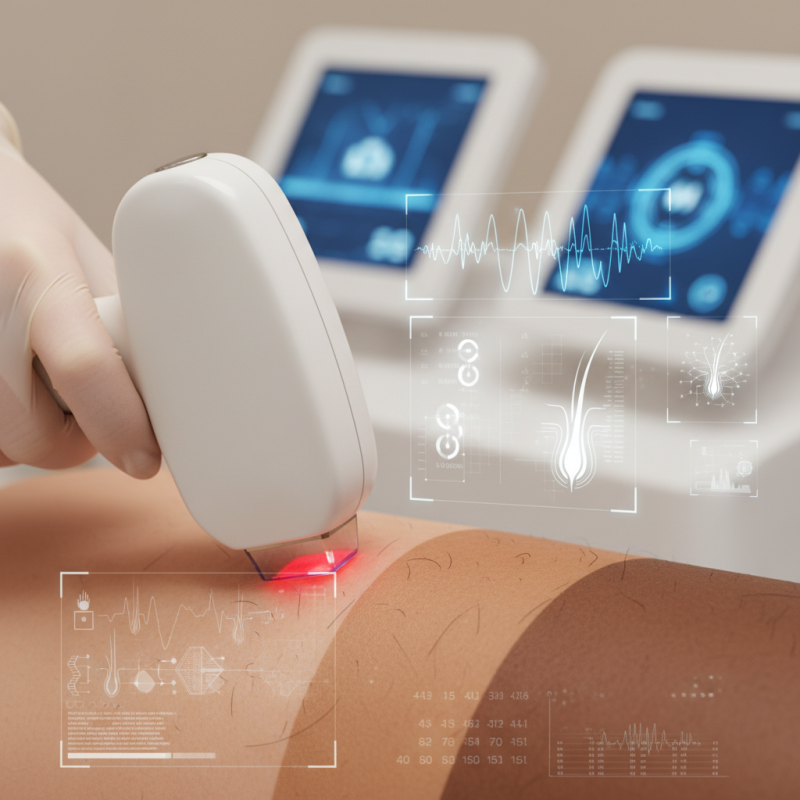
Types of Laser Hair Removal Technologies Available on the Market
Laser hair removal technologies have evolved significantly in recent years. Various types are available, each with its unique features and benefits. One popular method is the Alexandrite laser. It works well for light skin tones, targeting melanin effectively. The quick pulse of this laser allows for efficient hair removal in large areas like the legs.
Another widely used technology is the Diode laser. It is versatile and offers effective results for a range of skin tones. The longer wavelength penetrates deeper into the skin. This attribute makes it suitable for coarser hair types, enhancing its effectiveness.
Yet, not every technology is perfect for all individuals. Factors such as skin type, hair color, and hair thickness should be carefully considered. The success of the treatment may vary. Patients may experience discomfort or temporary skin irritation. These factors highlight the importance of consultation with qualified professionals. Understanding individual needs leads to better outcomes.
Best Laser Hair Removal Technologies Available
Criteria for Selecting the Best Laser Hair Removal Equipment
When selecting laser hair removal equipment, various criteria should be considered. Effectiveness is paramount. A study by the American Academy of Dermatology indicates that lasers can achieve up to 90% hair removal after multiple sessions. The device's wavelength plays a crucial role here. Different wavelengths target various hair types and skin tones. Ensure your equipment has the appropriate settings for diverse clientele.
Safety is another critical factor. A report from the Journal of Cosmetic Dermatology emphasizes the importance of FDA approval for devices. It doesn't guarantee perfection, but it does indicate a standard of safety. Skin type compatibility matters as well. For instance, lighter skin types often respond better to specific lasers compared to darker complexions.
Consider the technological features, too. Many modern devices come equipped with cooling mechanisms, essential for reducing discomfort during treatment. Operating training should also not be overlooked. Even the best equipment can yield poor results if the technician lacks experience. Regular maintenance, while often disregarded, is vital for optimal results. The challenges of consistency and reliability can reflect on the overall effectiveness of laser hair removal.
Top Brands and Models for Effective Laser Hair Removal
When it comes to effective laser hair removal, selecting the right equipment is crucial. A report from the American Society for Aesthetic Plastic Surgery indicates that laser hair removal has become one of the top non-invasive procedures, with significant growth in recent years. Understanding the top brands and models can help ensure successful treatments with minimal discomfort.
Many professionals recommend devices that utilize diode or Nd:YAG technology. These systems are known for their versatility and efficacy on various skin types. Additionally, a study published in the Journal of Clinical and Aesthetic Dermatology highlights that devices with adjustable settings can enhance both safety and effectiveness, catering to individual client needs. Reliable equipment is often backed by clinical studies, which validate their efficiency.
Tips for selecting equipment:
- Focus on FDA-cleared devices.
- Look for models with user-friendly interfaces.
- It’s important to seek systems that allow for precise treatment parameter adjustments.
- Consider training and support offered for equipment.
- It's essential to refine techniques and adapt to new technologies.
- Continuous learning about advancements ensures optimal results.
Each choice made in this field should balance
innovation with patient safety.
Comparative Analysis of Laser Hair Removal Equipment Costs
When considering laser hair removal equipment, cost is a critical factor. A recent industry report indicated that the average price for professional-grade laser devices ranges from $20,000 to $100,000. This wide range reflects significant differences in technology and effectiveness. For clinics, investing in higher-quality machines may yield better results, attracting more clients.
However, the initial purchase price does not include maintenance or operational costs. Ongoing expenses can add thousands annually. According to the American Society for Aesthetic Plastic Surgery, practitioners should also factor in the cost of training staff on new equipment. This often underappreciated aspect can lead to additional expenses, impacting return on investment.
Moreover, while some devices promise quick results, not all are uniformly effective. A study by the Journal of Cosmetic Laser Therapy noted varied satisfaction rates among patients, depending on the equipment used. Some advanced lasers showed up to 80% effectiveness, while others fell short, achieving only 40%. This inconsistency highlights the need for thorough research when selecting equipment. Examine cost-benefit equations carefully, as the cheapest option may not always be the best choice for long-term success.
Safety Considerations and Skin Types for Laser Hair Removal Procedures
When considering laser hair removal, safety should be your top priority. Different skin types react uniquely to laser treatments. Fair skin with dark hair is often the most straightforward combination for effective results. However, individuals with darker skin tones face challenges. They may experience more side effects, such as burns or hyperpigmentation. Understanding your skin type is vital before proceeding with any treatment.
Preparation is also essential. A consultation with a certified professional can help identify potential risks. Proper skin assessments can ensure that the chosen laser is suitable for your complexion. While the technology has improved, not all devices are safe for every skin type. It's important to explore options that have been tested for effectiveness and safety on a variety of skin tones.
After treatment, monitoring your skin’s response is crucial. Some might experience redness or minor swelling, which generally subsides quickly. However, if severe reactions occur, seeking medical advice is necessary. Reflecting on your skin's unique needs can lead to better outcomes. Always prioritize safety and personalization in your laser hair removal experience.
Best Laser Hair Removal Equipment for Effective Results
| Equipment Type | Suitable Skin Types | Effectiveness | Safety Considerations |
| Diode Laser | II-VI | High | Minimal side effects, requires cooling |
| Alexandrite Laser | I-III | Very High | May cause hyperpigmentation on darker skin |
| Nd:YAG Laser | IV-VI | Moderate to High | Good for darker skin, less effective on fine hair |
| IPL (Intense Pulsed Light) | I-IV | Moderate | Risk of burns, efficacy varies with skin type |
| Ruby Laser | I-III | High | Not recommended for darker skin types |