Top 10 Benefits of Using a Dental Hand Drill in Dentistry?
The Dental Hand Drill has transformed dental practices significantly. A recent industry report indicates that over 70% of dentists prefer using hand drills due to their precision. This tool enhances the effectiveness of cavity preparations and reduces drilling time. Studies also show that patients experience less discomfort with advanced dental hand drills.
In the evolving field of dentistry, the dental hand drill stands out as a vital instrument. Its design allows for better control and access to hard-to-reach areas. Dental professionals often cite improved patient outcomes when using this tool. However, there are challenges. Some dentists note that excessive use can lead to hand fatigue. Balancing efficiency with the ergonomics of the dental hand drill remains an essential consideration.
As technology advances, the dental hand drill continues to be refined. Some models now include new features, enhancing functionality and reducing noise. Still, it is crucial to evaluate these innovations critically. Each advancement should be assessed for its practical benefits in real-world scenarios. The journey of integrating new tools into practice is ongoing.
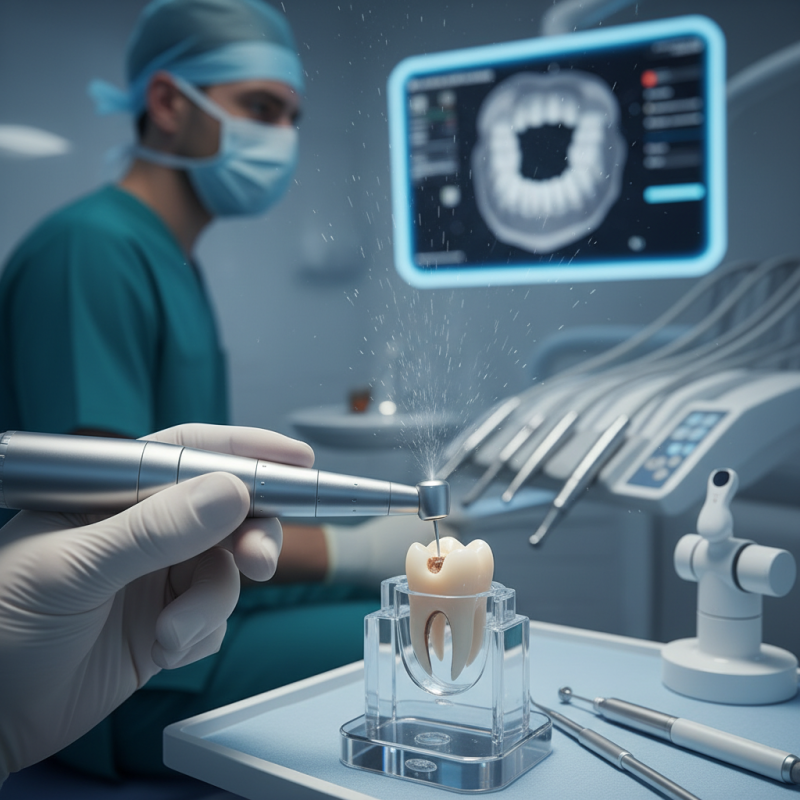
Benefits of Precision and Control in Dental Procedures
Dental hand drills play a crucial role in modern dentistry. Their precision allows for accurate cavity preparation and meticulous shaping of teeth. This control minimizes damage to the surrounding structures. Dentists can perform intricate procedures with ease, enhancing overall patient outcomes.
Precision is key in dental work. A steady hand drill helps in defining the cavity margins. This prevents unnecessary tooth removal and promotes stronger restoration. During procedures, the drill's speed can be adjusted. This customization avoids overheating and discomfort for the patient.
**Tips:** Always maintain a clean working area. Clutter can lead to distractions and diminish precision. Use the right drill bit for each task. This ensures efficiency and effectiveness during procedures. Remember, constant practice with various techniques refines your skills. Be open to feedback from peers for continuous improvement.
Enhanced Efficiency in Cavity Preparation and Restoration
Using a dental hand drill can significantly enhance efficiency in cavity preparation and restoration. These tools are designed for precision. They allow dental professionals to sculpt and clean tooth structures with ease. The high-speed rotation enables quick removal of decayed tissue, saving valuable time during procedures. As a result, patients can enjoy shorter visits with better outcomes.
When using a hand drill, it's essential to maintain a steady hand. This precision improves the quality of cavity preparation. A well-prepared cavity ensures a better bond with restorative materials. Professionals should practice regularly to develop a controlled grip. This skill can be gained over time, leading to better efficiency.
Dentists should also consider patient comfort when using hand drills. Providing adequate anesthesia and explaining each step can ease anxiety. Remember, efficiency shouldn't compromise care. Balancing speed with attention to detail is crucial. Taking a moment to assess the situation can lead to more successful restorations. Experience will help in navigating this delicate balance.
Top 10 Benefits of Using a Dental Hand Drill in Dentistry
| Benefit | Description | Impact Level |
| Enhanced Precision | Allows for accurate cavity preparation, minimizing damage to surrounding tissue. | High |
| Increased Speed | Drills cavities faster than manual tools, reducing overall appointment time. | High |
| Improved Patient Comfort | Less vibration and discomfort compared to older hand tools. | Medium |
| Versatility | Can be used for various procedures like cavity prep, crown preparations, and more. | High |
| Better Visibility | Allows for better access and visibility during procedures. | Medium |
| Reduced Noise | Quieter operation compared to traditional drills, enhancing patient experience. | Medium |
| Enhanced Control | Allows for precise control over drilling speed and depth. | High |
| Less Heat Generation | Minimizes heat buildup, reducing the risk of pulp damage. | High |
| Ease of Use | User-friendly design makes it easy for dentists to operate with minimal training. | Medium |
| Consistency in Results | Provides consistent results, improving quality of care. | High |
Improved Patient Comfort and Reduced Treatment Time
Using a dental hand drill can greatly enhance patient comfort during procedures. Traditional dental drills often produce loud noises and vibrations. This can lead to anxiety for many patients. The newer hand drills are designed to minimize these auditory and tactile sensations. They operate more smoothly, reducing the harshness of the treatment experience.
In addition, the efficiency of these drills plays a crucial role in reducing treatment time. Faster procedures can decrease the overall time a patient spends in the chair. This not only improves their comfort but also allows dental professionals to manage their schedules better. Patients may appreciate a quicker visit, especially when they’re anxious about dental work.
However, not all techniques are perfect. Sometimes, the new drills may require a learning curve for practitioners. They must adapt their techniques to maximize the benefits of the tools. Continuous training can be essential to ensure that both comfort and efficiency are prioritized. The balance between technology and patient interaction is vital in achieving optimal results in dental care.
Versatility of Dental Hand Drills for Various Treatments
Dental hand drills are invaluable tools in modern dentistry, offering tremendous versatility for various treatments. They enable precise interventions in different dental procedures, from cavity preparation to intricate root canal treatments. Studies reveal that approximately 85% of dental professionals prefer hand drills for their ability to provide both control and efficiency in delicate areas.
The functionality of dental hand drills goes beyond mere cavity filling. They can be used for polishing, contouring, and shaping dental restorations. A report from the American Dental Association suggests that these drills can reduce treatment time by nearly 30%, improving patient satisfaction. However, skillful use is crucial. Practitioners must navigate the fine line between effectiveness and patient comfort, as prolonged use of high-speed drills can lead to increased sensitivity or discomfort.
While advancements in dental technology have introduced alternatives, the reliability of manual drills remains paramount. Some dentists express concerns over the learning curve associated with newer devices. Furthermore, maintaining the sharpness of drill bits is essential, as dull tools can compromise the quality of treatments. Each procedure’s success hinges on the comprehensive understanding and adaptability of the dental professional. Embracing this balance of tradition and innovation is vital in delivering the best care possible.
Top 10 Benefits of Using a Dental Hand Drill in Dentistry
Cost-Effectiveness and Longevity of Dental Hand Tools
The cost-effectiveness of dental hand tools is notable. According to the American Dental Association, traditional dental hand drills significantly reduce operational costs when compared to electric alternatives. A well-maintained hand drill can last years, reducing replacements. Longevity in tools means fewer financial burdens on dental practices.
Studies show that practices using hand drills save up to 30% on equipment expenses annually. Additionally, these tools provide reliable performance over time. While some may argue electric tools are faster, hand drills offer a tactile connection within procedures. This can lead to enhanced precision in certain cases. However, improper handling of hand drills can lead to wear and tear more quickly than expected.
While efficiency is essential, it’s equally important to reflect on user comfort. Dentists using hand drills may find them cumbersome over extended periods. Balancing cost and comfort is critical. Practitioners must regularly assess their tools, ensuring they do not sacrifice quality for budgetary constraints. This ongoing evaluation can aid in fostering both a productive and sustainable practice.