2026 Top Forklift Collision Detection System Features and Benefits?
In 2026, the need for advanced safety systems in warehouses and industrial environments is more crucial than ever. The Forklift Collision Detection System stands out as a pivotal development in reducing accidents. This system uses innovative technology to detect potential collisions before they occur. It integrates sensors and alarms, providing real-time alerts to operators.
Employing this system not only enhances safety but also increases operational efficiency. However, many businesses still overlook its benefits. Ignoring these systems can lead to costly accidents. The features of the Forklift Collision Detection System, such as obstacle detection and automatic braking, must not be underestimated. As operations grow busier and more complex, reflections on safety equipment become essential.
Investing in this technology can significantly lower risks. Yet, some still hesitate. This reluctance might stem from misconceptions about costs or effectiveness. Understanding the real impact of the Forklift Collision Detection System is vital for fostering a safer workplace in the coming years.
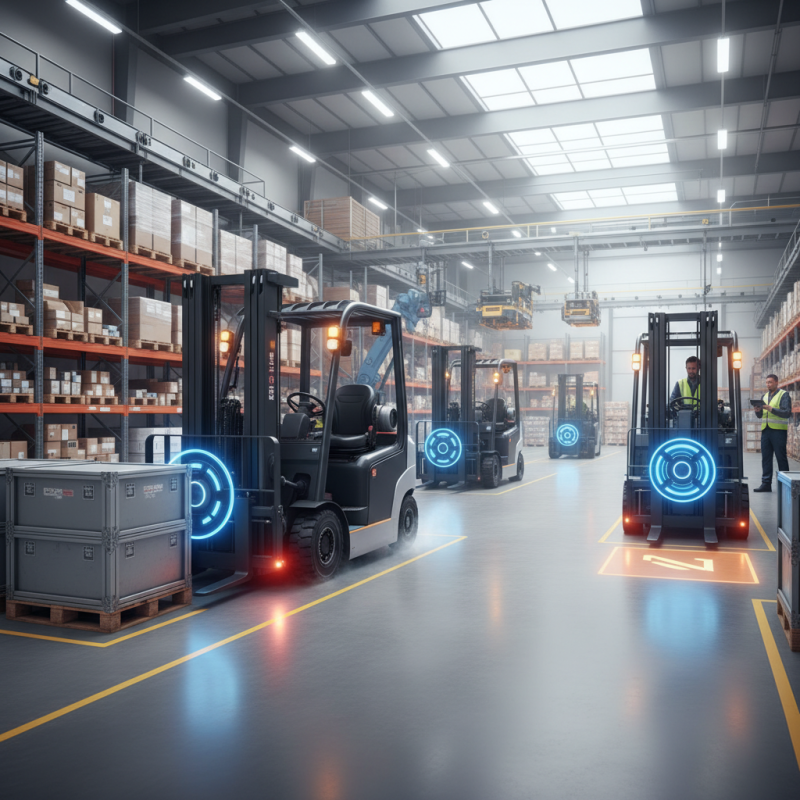
Top Features of Collision Detection Systems in Forklifts
Collision detection systems are becoming essential in the forklift industry. These systems significantly reduce the risk of accidents. They use sensors to detect obstacles in the forklift's path. When an obstacle is near, alerts trigger automatically. This immediate response helps operators avoid potentially dangerous situations.
Another crucial feature is the integration of cameras. Cameras provide clear visibility of surroundings. Operators can monitor their environment better. Additionally, some systems include virtual barriers. They create invisible boundaries that forklifts must not cross. This helps manage pedestrian safety in busy areas.
While these features enhance safety, they aren't foolproof. Operators must remain vigilant. Technology cannot replace human judgment entirely. Regular training is necessary to ensure proper system use. Moreover, system maintenance is critical. This prevents false alarms and ensures reliability. Forklift collision detection systems are valuable but require ongoing attention and improvement.
Key Benefits of Implementing Forklift Collision Detection Technology
Implementing forklift collision detection technology offers various key benefits. Enhanced safety is the most significant advantage. By using this technology, warehouses can minimize accidents. Employees feel safer when they know a system monitors their surroundings. Reduced injury rates lead to lower insurance costs over time.
Increased efficiency is another important benefit. Collision detection systems alert operators to potential hazards. This allows for quick reactions to prevent collisions. Therefore, workflows remain uninterrupted. Operators become more confident in maneuvering equipment, boosting productivity levels. However, some training may be necessary to adapt to this technology.
Nonetheless, challenges do exist. Installation may require adjustments to existing layouts. Some employees may resist changes initially. It is crucial to address these concerns. Consider engaging with staff for feedback during implementation. Their insights could enhance the system’s effectiveness. Upgrading to modern technology can be a learning curve, but the rewards may outweigh initial discomfort.
Current Industry Standards for Forklift Safety and Collision Prevention
Forklift safety is a critical concern in warehouse environments. Current industry standards emphasize the importance of collision prevention systems. Many facilities are beginning to adopt technology that monitors surroundings. These systems use various sensors to detect obstacles. They alert operators in real-time, reducing the chance of accidents.
Adhering to safety protocols is essential. Regular training for operators plays a key role. Despite advancements in technology, human error remains a challenge. Operators must stay vigilant and responsive. Implementing close collaboration between teams can enhance safety measures. Managers should continuously assess their protocols to identify gaps.
Several companies are exploring new features in collision detection systems. Some systems provide visual alerts or automatic slowing down of forklifts. However, there is still a need for improvement in preventing blind spots. Feedback loops from operators are invaluable. They can highlight areas where systems fail or succeed. Continuous evaluation and adaptation are necessary for effective collision prevention.
2026 Top Forklift Collision Detection System Features and Benefits
| Feature | Description | Benefits |
| Real-time Object Detection | Uses advanced sensors to detect obstacles in real-time. | Enhances safety by reducing collision risks. |
| Automated Alerts | Alerts operators of potential hazards with audio/visual signals. | Increases awareness and quick response to avoid accidents. |
| Data Analytics | Collects data on operation patterns and near-collisions. | Provides insights for improving safety protocols. |
| Integration with Fleet Management | Seamlessly integrates with existing fleet management systems. | Streamlines operations and enhances safety measures. |
| User-Friendly Interface | Intuitive dashboard for easy monitoring and control. | Reduces training time and improves operator confidence. |
| Emergency Stop Feature | Instantly halts forklift operation when a collision is imminent. | Minimizes damage and injuries during emergencies. |
Impact of Collision Detection Systems on Operational Efficiency
Collision detection systems for forklifts are becoming increasingly crucial in warehouses. These systems offer a way to enhance safety and efficiency. By integrating sensors and cameras, they can detect obstacles in real-time. This immediate feedback helps operators avoid potential collisions. Operators benefit from enhanced situational awareness while operating heavy machinery.
Operational efficiency improves significantly with these systems. Fewer collisions lead to reduced downtime and lower repair costs. Less time spent on accidents allows workers to focus on their tasks. However, not every system is infallible. Some may struggle to identify small obstructions or operate in poor visibility. Training operators to understand system limitations is essential. This ensures they do not become overly reliant on technology.
Adopting these systems also requires adapting workflows. Employees need to be educated on new safety protocols. Resisting change can hinder the implementation process. Yet, overcoming these challenges can lead to a safer work environment. As technology evolves, the potential for better collision detection systems will only grow, making it vital to stay informed about advancements.
Statistics on Forklift Accidents and the Importance of Safety Measures
Forklift accidents are a major concern in warehouses and industrial sites. Statistics reveal that these incidents can lead to severe injuries or fatalities. Annually, thousands of workers face dangers due to negligent operations and insufficient safety measures. For instance, in 2021 alone, the Occupational Safety and Health Administration (OSHA) reported numerous accidents caused by forklifts. Awareness of these stats is crucial for improving workplace safety.
Safety measures are not just guidelines; they are essential for protecting lives. Investing in training can significantly reduce risks. Operators need to understand their equipment and surroundings. Regular maintenance checks on forklifts can prevent mechanical failures. Yet, many workplaces still neglect these practices. It's not enough to just have policies in place; they must be actively enforced. The integration of advanced collision detection systems can also enhance safety. These systems provide real-time alerts, reducing the possibility of accidents. However, the technology is only effective if actively utilized.
Creating a safer work environment requires a collective effort. All employees must prioritize safety, not just the management. Regular drills and evaluations can help maintain awareness. Hard truths remain: without consistent and proper safety measures, the risk will persist. Safe environments lead to improved productivity, morale, and overall well-being. It's a shared responsibility that requires commitment and action from everyone involved.
2026 Top Forklift Collision Detection System Features and Benefits
This chart shows the number of forklift accidents over the years, emphasizing the importance of safety measures and the effectiveness of collision detection systems in reducing accidents.