2026 Best Handheld Gas Monitor for Global Buyers Guide?
In recent years, the demand for a reliable Handheld Gas Monitor has surged. According to a report by Grand View Research, the global gas detection market is expected to reach $4.9 billion by 2025. This growth stems from rising safety regulations across industries. Industries such as oil and gas, manufacturing, and construction emphasize the need for portable gas detection devices.
Many workers rely on these monitors for early detection of hazardous gases. For instance, methane leaks can go undetected and lead to severe consequences. Handheld Gas Monitors offer a practical solution to this issue, ensuring worker safety and compliance.
However, not all devices are equally effective. Factors such as detection range, response time, and battery life vary significantly among models. Buyers should carefully evaluate their choices. They need a tool that not only meets their needs but also fits the specific environmental conditions they operate in. As we move towards 2026, it’s critical to remain informed about advancements in this technology and the brands leading the market.
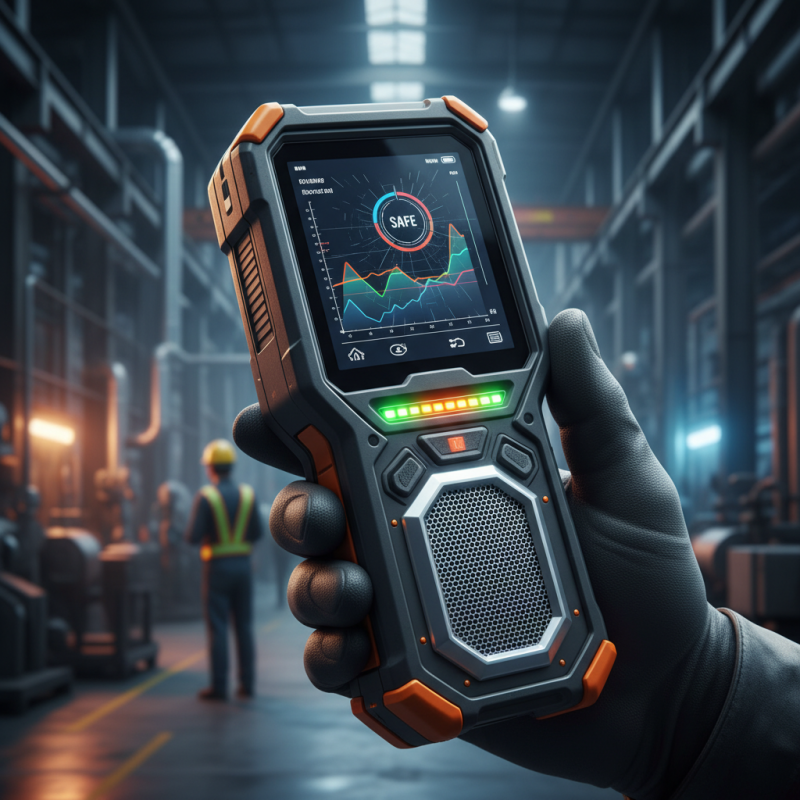
Understanding Handheld Gas Monitors: An Overview of Features
Handheld gas monitors are essential tools in various industries, offering safety and compliance. These devices detect harmful gases, ensuring a secure environment for workers. Recent reports indicate that the global market for these monitors will reach approximately $1.6 billion by 2026. This growth highlights the increasing awareness of workplace safety and technological advancements.
Features of handheld gas monitors often vary, but key aspects include sensitivity, response time, and battery life. Many devices provide real-time readings, which are crucial in emergency situations. A study from the International Society for Occupational Safety indicates that real-time data can reduce gas exposure incidents by up to 30%. Monitors should also have robust construction for durability in challenging conditions.
Tips for selecting the right handheld gas monitor include evaluating sensor types and operational ranges. It’s essential to choose a monitor not just based on features but also on user-friendliness. Some users find complex interfaces challenging. Additionally, consider maintenance needs such as calibration frequency. Regular updates and training can enhance the effectiveness of these devices, ensuring optimal performance over time. Understanding these features can lead to smarter choices for safety equipment.
Key Factors to Consider When Choosing a Handheld Gas Monitor
When selecting a handheld gas monitor, it's crucial to consider several key factors. The first is sensitivity, which indicates how accurately the device detects gas concentrations. A high level of sensitivity can prevent potential hazards. Look for monitors that can detect different types of gases, as this will enhance their versatility.
Next, evaluate the device's user interface. A simple, intuitive display is essential for quick readings, especially in emergency situations. Battery life also matters. Opt for models with long-lasting batteries to ensure that your monitor is always operational. Durability is another important aspect. Devices should withstand tough conditions, such as extreme temperatures and rough handling.
In a world where gas detection technology continues to evolve, it’s easy to overlook improvements. Stay updated on the latest features and advancements. Reflect on how often you will use the monitor; this affects your choice significantly. While some monitors are compact, they may lack advanced capabilities. Balancing size with functionality could lead to better choices. Ultimately, filtering through various options requires careful consideration and a proactive mindset.
Top Brands and Models in the 2026 Handheld Gas Monitor Market
In 2026, the handheld gas monitor market is evolving quickly. Buyers now have a range of reliable options. Many devices prioritize portability and accuracy. Whether for industrial use or personal safety, these tools are essential. Users need to focus on critical factors when selecting a monitor.
Key features to consider include battery life, sensor sensitivity, and alarm systems. High-quality monitors ensure quick detection of harmful gases. Some models provide real-time data and alerts, increasing safety. Their lightweight designs make them convenient for on-the-go use. Yet, not all devices are equally trusted. Some may falter in extreme conditions.
The top brands have established a reputation for excellence. However, brand reliability can vary. Some users report issues with calibration or sensor drift over time. Each product has its strengths and weaknesses. Educating oneself about these aspects is crucial before making a purchase. Careful consideration leads to better choices, enhancing safety and reliability.
2026 Handheld Gas Monitor Market Analysis
Safety Standards and Regulations for Handheld Gas Monitoring Devices
Handheld gas monitoring devices are essential for ensuring safety in various environments. To meet these safety requirements, manufacturers must comply with specific standards and regulations. The American National Standards Institute (ANSI) and the International Organization for Standardization (ISO) set guidelines that influence design features. Devices must accurately detect gases like carbon monoxide and methane. Failure to adhere can lead to serious consequences.
According to a report by the National Institute for Occupational Safety and Health (NIOSH), improper use of gas monitors contributes to workplace accidents. Each year, incidents occur due to equipment failure or faulty sensors. Regular calibration and maintenance are crucial. However, many users overlook these vital practices, posing risks.
Safety certifications, such as IP ratings, indicate resistance to dust and water. Devices with higher IP ratings perform better in challenging conditions. One cannot ignore the importance of real-time data display and alarm systems. These features enhance user awareness and quick responses to hazardous situations. Yet, the reliability of some low-cost models raises concerns about long-term safety. This inconsistency highlights the need for thorough evaluations before purchasing these critical devices.
2026 Best Handheld Gas Monitor for Global Buyers Guide
| Model | Gas Detected | Measurement Range | Battery Life | Weight | Price (USD) |
| Model A | Methane, Propane | 0 - 100% LEL | 12 hours | 0.5 kg | $300 |
| Model B | Oxygen, Carbon Monoxide | 0 - 30% Vol | 10 hours | 0.4 kg | $250 |
| Model C | Hydrogen Sulfide | 0 - 100 ppm | 14 hours | 0.45 kg | $350 |
| Model D | Ammonia | 0 - 50 ppm | 8 hours | 0.55 kg | $280 |
| Model E | Chlorine | 0 - 10 ppm | 9 hours | 0.65 kg | $400 |
Comparative Analysis of User Reviews and Performance Metrics
When choosing a handheld gas monitor, analyzing user reviews is crucial. Users often highlight ease of use, portability, and accuracy. Some reviewers express frustration over battery life, which can impact performance. Different environments can also affect how these devices function. User experiences often reveal specific situations where these monitors excel or struggle.
Performance metrics provide another layer of insight. Factors like response time and sensitivity to various gases are critical. However, some performance ratings can be misleading. A device might perform well in ideal conditions but fail in real-world scenarios. Moreover, the construction quality is often debated. Users sometimes mention issues with durability after regular use.
While many models claim high accuracy, independent testing can vary. Some devices may miss lower concentrations of gases, affecting safety. Buyers should consider their specific needs based on use cases. Reviews can guide choices but should be approached with critical thinking. Collecting diverse opinions helps to form a well-rounded view of each device's reliability.